    Brand Profile

    Cloon Keen Atelier is an Irish perfume house that blends scent with story. Founded in 2001, the label produces both fragrances and candles t…More

    Ireland·Est. 2001·Site

    4.3

    Rating

    18
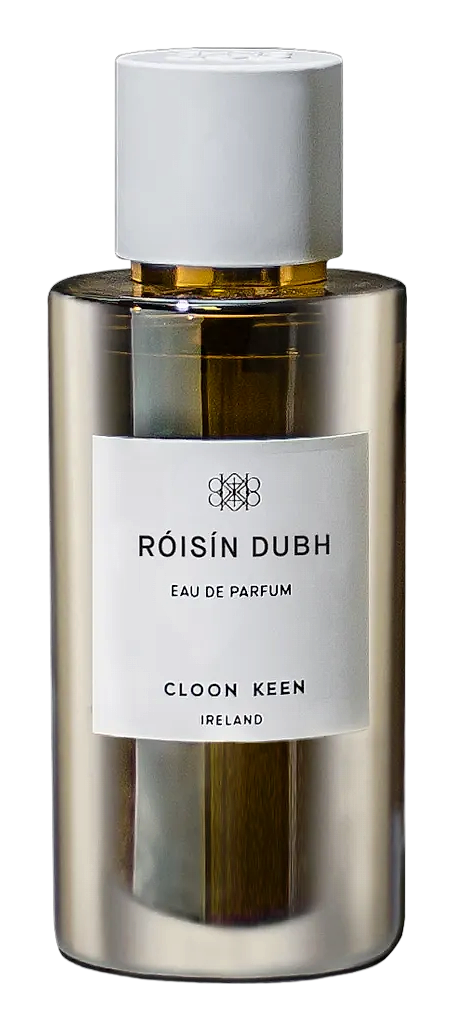
    Róisín Dubh by Cloon Keen Atelier
    4.3

    Róisín Dubh

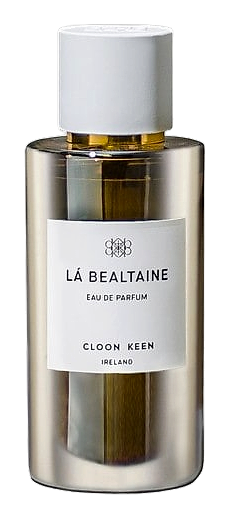
    Lá Bealtaine by Cloon Keen Atelier
    Best Seller
    4.6

    Lá Bealtaine

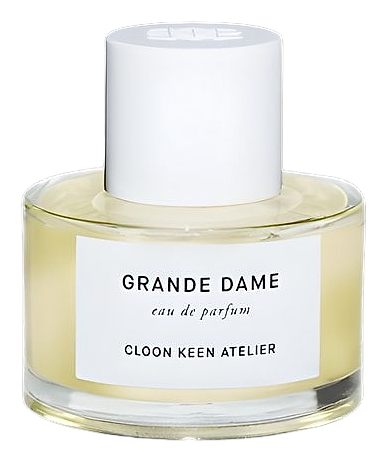
    Grande Dame by Cloon Keen Atelier
    Best Seller
    4.5

    Grande Dame

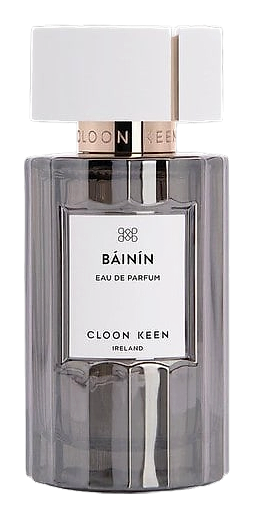
    Báinín by Cloon Keen Atelier
    Best Seller
    4.5

    Báinín

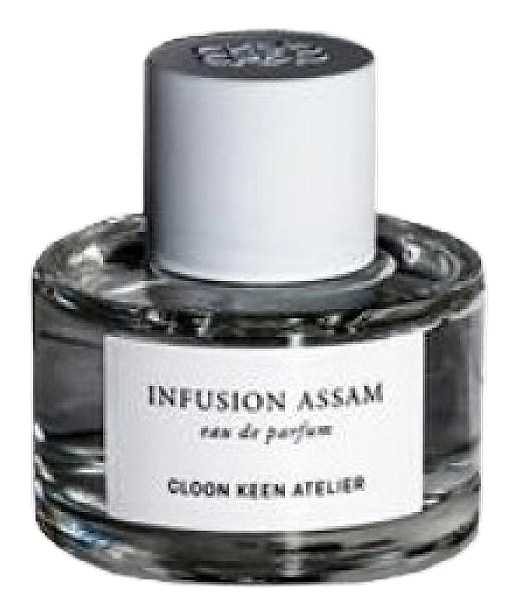
    Infusion Assam by Cloon Keen Atelier
    4.4

    Infusion Assam

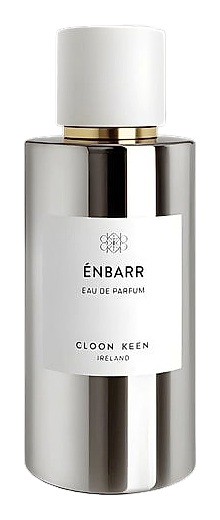
    Énbarr by Cloon Keen Atelier
    4.4

    Énbarr

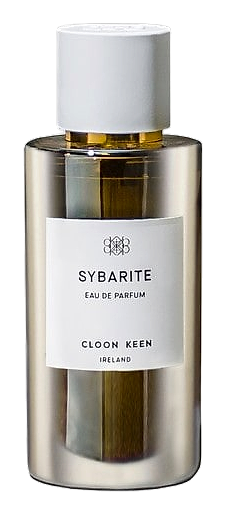
    Sybarite by Cloon Keen Atelier
    4.4

    Sybarite

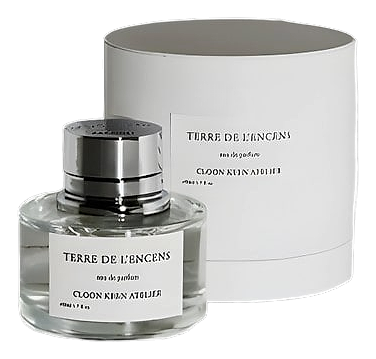
    Terre de l'Encens by Cloon Keen Atelier
    4.4

    Terre de l'Encens

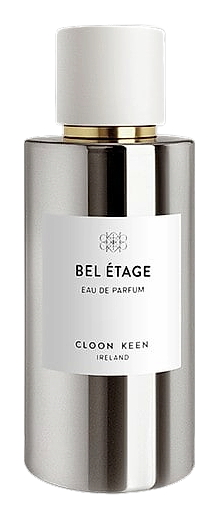
    Bel Étage by Cloon Keen Atelier
    4.4

    Bel Étage

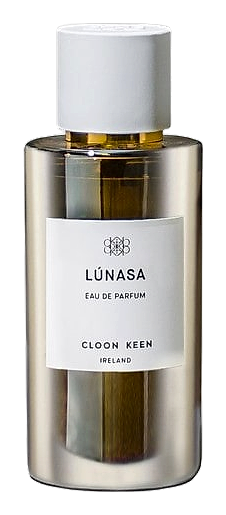
    Lúnasa by Cloon Keen Atelier
    4.3

    Lúnasa

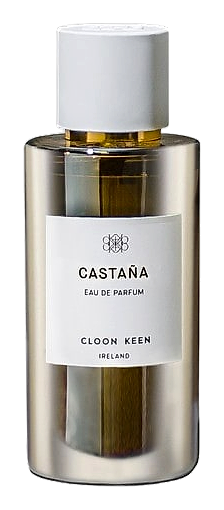
    Castaña by Cloon Keen Atelier
    4.3

    Castaña

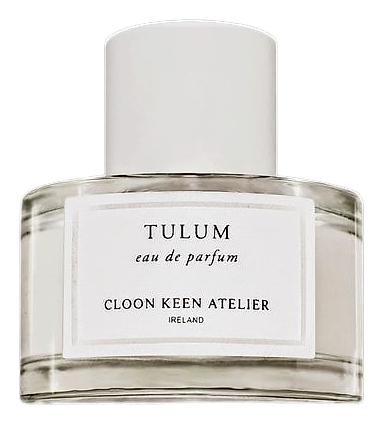
    Tulum by Cloon Keen Atelier
    4.2

    Tulum

    1 of 2

    The Heritage

    The Story of Cloon Keen Atelier

    Cloon Keen Atelier is an Irish perfume house that blends scent with story. Founded in 2001, the label produces both fragrances and candles that reference the landscapes, myths and textures of Ireland. Each offering is presented as a quiet invitation to pause, to breathe, and to recall a place that feels both familiar and new. The brand’s catalogue, which includes scents such as Sybarite (2013) and Báinín (2024), reflects a commitment to craft that feels personal rather than commercial.

    Heritage

    Cloon Keen Atelier emerged in 2001 when Margaret Mangan, a former film professional, partnered with Julian Checkley to translate visual storytelling into olfactory form. Their first studio opened in a converted Dublin warehouse, where they began experimenting with hand‑blended candles before expanding into perfume. Early releases such as Castaña (2011) and Terre de l'Encens (2012) attracted attention for their unconventional use of incense and nutty accords, a departure from the more floral trends dominating the market at the time. In 2013 the house launched Sybarite, a scent that quickly became a reference point for the brand’s willingness to explore rich, gourmand textures. By 2016, Grande Dame entered the line, marking a shift toward more structured, vintage‑inspired compositions. The brand’s growth earned an invitation to the Perfume Society’s meet‑and‑greet event, where founders discussed their Irish roots and creative process with a community of collectors. A 2022 expansion added two new fragrances, Énbarr and Bel Étage, alongside a refreshed candle range that incorporated locally sourced beeswax. In 2024 Cloon Keen released Báinín, its latest fragrance, which continues the house’s practice of pairing narrative depth with precise ingredient selection. Throughout its two‑decade history, the atelier has remained privately owned, retaining a small‑batch production model that allows the founders to oversee every stage from concept to final packaging.

    Craftsmanship

    Production at Cloon Keen follows a hands‑on, small‑batch approach. Perfume creation begins with a brief written by the founders, outlining the intended story and emotional tone. Raw materials are sourced from both Irish farms and vetted international suppliers; for example, the sandalwood used in Grande Dame arrives from Australian plantations that meet Fairtrade standards, while the heather absolute in Lá Bealtaine is harvested from County Donegal. Ingredients are weighed on precision scales and blended in stainless‑steel vessels, allowing the perfumer to monitor the evolution of the mixture over several weeks. The house conducts stability testing in a dedicated lab to ensure that each fragrance retains its character over time. Candle production uses a hand‑poured method: melted beeswax is mixed with selected fragrance oils at controlled temperatures, then poured into glass vessels that have been pre‑treated to receive a hand‑applied label. Quality control includes scent checks by both founders and a small panel of trusted testers before a batch is approved for release. Packaging is assembled in a Dublin workshop where bottles are hand‑filled, capped, and boxed. The atelier maintains detailed batch records, enabling traceability from raw material receipt to final product shipment.

    Design Language

    Visually, Cloon Keen embraces a restrained, modern aesthetic that echoes the clean lines of Irish architecture. Bottles feature simple, cylindrical shapes with matte black or deep amber glass, capped by brushed metal lids that bear the brand’s understated logo. Labels employ a serif typeface set against a cream‑coloured background, often accented with a single line drawing of a native plant or landscape element that hints at the fragrance’s inspiration. Candle containers follow a similar language, using frosted glass with a thin copper band that ties the series together. The colour palette leans toward muted earth tones—charcoal, olive, rust—reflecting the natural environments the scents evoke. Marketing imagery typically shows the product in natural settings: a bottle placed on a stone wall overlooking a coastal cliff, or a candle lit beside a wooden table in a historic cottage. This visual strategy reinforces the brand’s narrative focus while maintaining a premium yet approachable feel.

    Philosophy

    Cloon Keen frames scent as a narrative device. The founders describe their work as a way to capture a moment of Irish life—whether a misty coastline, a stone‑cobbled lane, or a hearth fire—and translate it into a bottle. This narrative focus drives ingredient choices; the team often seeks raw materials that have a clear geographic or cultural link, such as Irish oak moss or Irish seaweed extracts, and pairs them with imported essences that complement the story. The brand values transparency, preferring to disclose the origin of key components on its website and in press releases. Sustainability informs the philosophy as well: candles are poured using locally harvested beeswax, and the perfume line favors natural extracts over synthetics when possible, while still employing modern aroma chemicals to achieve balance. Collaboration with Irish artisans for packaging and label design reinforces a sense of place. The atelier also supports cultural projects, occasionally sponsoring local music festivals and literary events, reflecting a belief that scent should exist alongside other forms of Irish expression.

    Key Milestones

    2001

    Cloon Keen Atelier founded by Margaret Mangan and Julian Checkley in Dublin.

    2012

    Release of Terre de l'Encens, an incense‑focused fragrance that garnered attention for its unconventional profile.

    2013

    Sybarite launched, marking the brand’s first major foray into gourmand scent territory.

    2016

    Grande Dame introduced, showcasing a shift toward vintage‑inspired, structured compositions.

    2022

    Two new fragrances, Énbarr and Bel Étage, added, accompanied by a refreshed candle line using locally sourced beeswax.

    2024

    Báinín released, continuing the house’s practice of narrative‑driven perfume development.

    At a Glance

    Brand profile snapshot

    Origin

    Ireland

    Founded

    2001

    Heritage

    25

    Years active

    Collection

    1

    Fragrances released

    Avg Rating

    4.3

    Community sentiment

    Release Rhythm

    2024
    1
    2022
    2
    2021
    1
    2018
    3
    2016
    1
    2015
    1
    2014
    4
    2013
    2
    cloonkeen.com

    Did You Know?

    Interesting Facts

    Distinctive details and defining moments that shape the house personality.

    01

    The founders’ first product line consisted solely of scented candles before expanding into perfume.

    02

    Cloon Keen’s Terre de l'Encens was described by a regional publication as one of the few Irish fragrances to centre incense as a primary note.

    03

    Margaret Mangan’s background in film editing influences the brand’s approach to layering scent, treating each accord like a cut in a storyboard.

    04

    The atelier sources heather absolute from a single family farm in County Donegal, maintaining a partnership that dates back to the brand’s early years.

    The Artisans

    The Perfumers