

Heritage
A house, in its own words
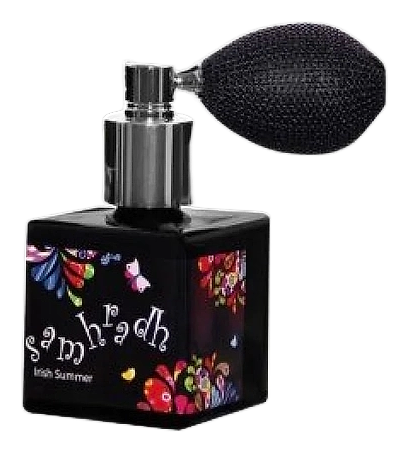
Public records on Yveperfume are sparse, but the brand appears to have been founded in 2013, coinciding with the release of its inaugural trio of fragrances. The three debut scents – Eriu, Samhradh and Diosco – were introduced simultaneously, suggesting a coordinated launch strategy rather than a staggered rollout. The choice of names draws from Irish language: Eriu is an ancient name for Ireland, Samhradh translates to “summer,” and Diosco is believed to reference a historic Celtic term for “light.” While the founder’s identity is not prominently disclosed in mainstream media, niche perfume forums note that the creator may have a background in botany, which aligns with the brand’s emphasis on natural raw materials. Early distribution was limited to select online boutiques and a handful of specialty retailers in Europe, a model that helped maintain a low profile while testing market response. In 2015 Yveperfume opened a modest studio space in Dublin, which doubled as a laboratory and a private showroom. The studio’s modest size reinforced the brand’s commitment to handcrafted processes. By 2018 the house announced a collaboration with a small Irish cooperage, resulting in a limited edition run of bottles featuring hand‑hammered copper caps – a nod to traditional Irish craftsmanship. Sustainability entered the conversation in 2020 when Yveperfume announced that all future releases would be housed in 100 % recycled glass and that ingredient sourcing would prioritize certified organic farms. This move was documented in a brief interview with a regional trade publication, which highlighted the brand’s effort to reduce its carbon footprint without compromising scent quality. The brand celebrated its tenth anniversary in 2023 with a retrospective exhibition at a Dublin art gallery, showcasing original sketches, raw material samples, and the evolution of its three core fragrances. Although the event was low‑key, it attracted attention from collectors and press outlets focused on independent perfume houses, confirming Yveperfume’s steady, if understated, presence in the niche market. Yveperfume’s creative vision centers on narrative clarity. Each fragrance is conceived as a single, focused story rather than a complex blend of dozens of notes. The brand states that it seeks to translate a specific place, memory, or season into scent, allowing the wearer to experience a moment rather than a layered composition. This philosophy aligns with a broader trend among independent houses that prioritize authenticity over mass appeal. Values such as transparency, sustainability, and respect for raw material origins are repeatedly emphasized in the few public statements the house has made. Yveperfume reportedly works directly with small farms in Ireland and the United Kingdom, ensuring that ingredients like Irish heather, wild seaweed, and native oak moss are harvested responsibly. The brand also claims to avoid synthetic musks, opting instead for natural ambergris substitutes derived from plant sources. Approach to perfumery is deliberately restrained. Rather than relying on a large perfumer team, Yveperfume collaborates with a single scent creator who guides the development from concept to final formulation. This limited‑team model allows for deeper immersion in each project and reduces the risk of creative dilution. The house’s modest output – three core scents with occasional limited editions – reflects a belief that quality and narrative depth outweigh quantity. Community engagement is subtle but present. Yveperfume invites a small group of loyal customers to private scent‑testing sessions, where feedback is used to refine future releases. These gatherings are described as intimate, often held in the brand’s Dublin studio, reinforcing the sense of a close‑knit creative family.