The Story
Why it exists.
The beginning
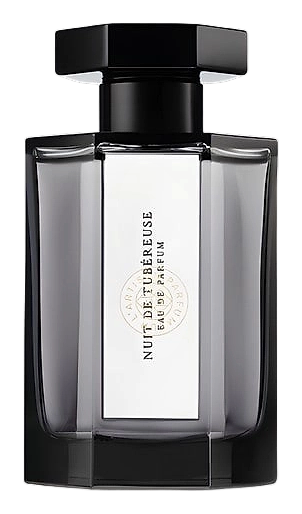
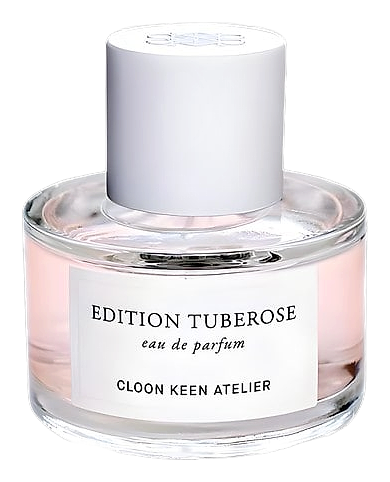
Edition Tuberose arrived in 2015 from Cloon Keen Atelier. The brand had built a reputation for unconventional compositions across its earlier releases, and by the mid-2010s it was leaning into heavier florals that required real structural support to carry them. Tuberose, the most assertive of white flowers, presented exactly that challenge: a bloom loud enough to dominate anything placed beside it, demanding either restraint or confrontation as a design principle. The result is a piece that treats the flower as a study rather than a backdrop. Rather than softening tuberose into something polite or hiding it beneath fruit and musk, the composition lets it lead, gives it room to expand, and then meets it with a base built to contain the volume.
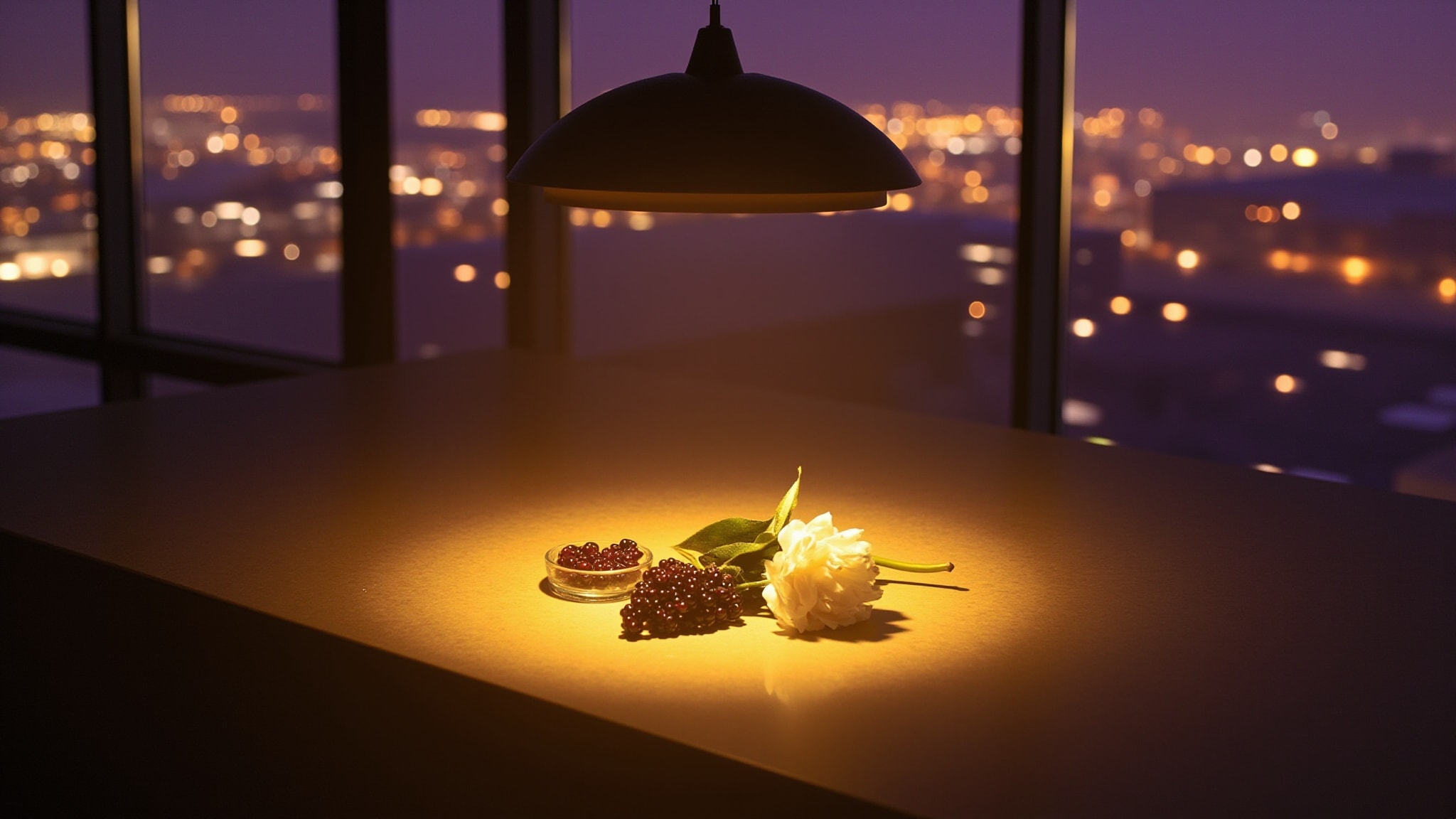
What makes this composition worth noticing is the contrast at its spine. Blackcurrant and mandarin open with sharp fruit, almost jammy, setting up the floral heart to land with more force than it would alone. Tuberose leads the heart alongside magnolia, gardenia, rose, and sweet pea, a full chorus of white and pink flowers that could easily tip into confectionery territory. The base, black amber and dark woodsy notes, is what keeps the sweetness honest. Those final notes pull the composition toward resin and shadow, giving the florals something to push against rather than dissolve into.
The evolution
The first ten minutes are fruit-forward, almost surprising. Blackcurrant and mandarin arrive with a tartness that has nothing to do with flowers yet, bright and slightly sharp, the kind of citrus that races ahead of the rest of the structure. Then the shift happens, fast and deliberate. The white florals crowd in, tuberose first, then gardenia and magnolia pressing close behind, and the composition turns creamy, dense, almost edible. Rose threads through the middle, adding a powdery warmth that the sweet pea amplifies rather than softens. This is the loudest phase of the wear, when every note is visible at once and the sillage carries the fullest expression of intent. By the third hour, the flowers begin to recede. What replaces them is the dark base, black amber warming up, the woodsy notes emerging as something between smoke and polished bark. The tuberose never fully disappears.
Cultural impact
Edition Tuberose occupies an unusual position within the white-floral category. The fruit-forward opening sets expectations for something lighter than what follows, and the dark, resinous base closes the composition with gravity rather than glitter. The combination reads as confident and intentional, the work of a house willing to let tuberose be tuberose without softening its edges. Rather than chasing the bridal register that dominates much of the category, the scent commits to a fuller expression of the flower, one that includes its weight, its creaminess, and its sting.