
The Story
Why it exists.
The beginning
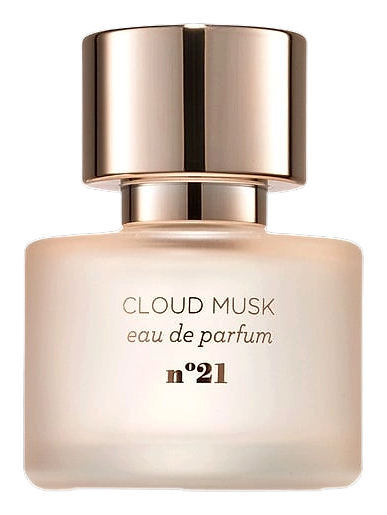
Mix:Bar launched at Target in 2021 with a clear premise: fragrance doesn't have to mean one signature scent. The brand built an ecosystem of small, affordable bottles meant to be worn alone or layered together, a modular approach to personal scent. Cloud Musk emerged from that philosophy. Created by perfumer Claude Dir, the brief was straightforward: a musk that felt like the one you were born with, just a little more intentional. The cardamom-tonka pairing gave it warmth without heaviness. The florals kept it from disappearing entirely. It was never meant to fill a room. It was meant to stay close.
What makes Cloud Musk interesting is how deliberately it avoids spectacle. The cotton flower note, a relative newcomer to perfumery, brings a clean, almost airy quality that differentiates it from traditional white musk compositions. Iris adds a powdery elegance that most mass-market musks skip entirely. And the cardamom isn't just decorative; it opens the fragrance with a spiced warmth that slowly gentles as the florals arrive, creating a subtle arc that rewards attention. The name is the concept: something soft that moves with you, not above you.
The evolution
The opening hits bright. Cardamom's spiced warmth meets blue cypress, cool, almost coniferous, a surprise counterpoint that keeps the start from being predictable. Within minutes, the florals take over. Cotton flower brings its clean, sheerness. Peony floats through without demanding attention. Iris roots everything in powdery elegance. By hour two, the musk begins to announce itself, warm, skin-like, intimate. Tonka bean sweetens the landing without turning it into dessert. The woody base holds everything together quietly. Three hours in, on fabric especially, there's a ghost of it left, sweet, soft, the kind of thing you catch when you hug someone who wears it. On skin, it's closer. On clothing, it lingers. Either way, it never pushes.
Cultural impact
Cloud Musk arrived during a cultural moment when consumers were rejecting heavy, sillage-obsessed fragrances in favor of something quieter and more personal. The clean beauty movement had already reshaped skincare, and scent followed, prioritizing skin-like, intimate fragrances that felt like an extension of the body rather than a statement. Mix:Bar positioned itself squarely in this space, embracing digital-first fragrance discovery and bypassing traditional department store counters entirely. This reframed what a 'mainstream' fragrance could be: not something that announces itself in a room, but something that rewards proximity.