
The Story
Why it exists.
The beginning
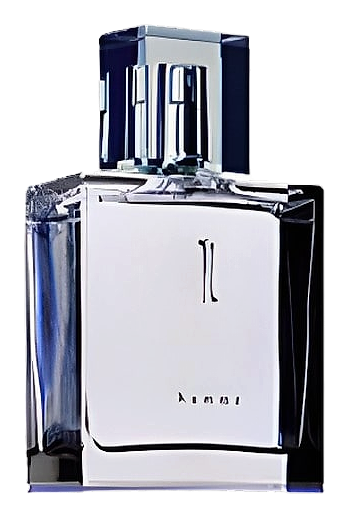
Il Homme arrived in 2003, during Zara's early fragrance years. The bottle carries the design signature of Fabien Baron, giving the fragrance a sharp visual identity rare for an accessible price point. The composition leans into a familiar structure: citrus on top, warm spice at the heart, woods and amber underneath. That formula has anchored countless men's fragrances, but here the execution feels considered rather than thrown together. The orange, bergamot, and neroli in the opening sit comfortably alongside a heart of cardamom and cinnamon, grounded by a base of sandalwood, tonka, amber, and musk. Each layer plays its part without crowding the others, the way a well-cut shirt fits without shouting about the tailoring.
What separates this from the pile of citrus-and-cinnamon men's releases is the balance between the opening freshness and the spiced heart. The neroli keeps the citrus from reading sharp or synthetic, softening the transition into cardamom and cinnamon. Those two spices could easily overwhelm, but the structure holds them in check with a creamy base waiting underneath. Sandalwood, tonka, and amber form a warmth that makes the spice feel intentional, like it belongs in the drydown rather than vanishing once the first hour passes.
The evolution
The opening belongs to orange and bergamot, bright and immediate against the skin. Neroli threads through with a faint green bitterness that keeps the top from feeling generic, lending a subtle floral edge to the citrus. As the initial brightness softens, cardamom arrives with a dry, slightly peppery lift that changes the temperature of the composition. Cinnamon follows close behind, warm but not aggressive, wrapping around the cardamom rather than competing with it. The heart holds the focus, gradually deepening as the base notes surface. Sandalwood and tonka bean emerge together, the wood creamy and the tonka offering a low sweetness that rounds the edges. Amber and musk settle into the background, close to skin but persistent, giving the drydown a soft warmth that carries the remaining spice with it.
Cultural impact
Il Homme occupies a specific niche in the early-2000s men's fragrance landscape: the affordable daily-wear option that didn't smell cheap. Wearers gravitate toward it for exactly that reason, reliable, office-appropriate, and quietly pleasant without demanding attention. The fragrance delivers a spiced-woody profile that reads composed in close quarters and never crosses into the territory of overwhelming projection. It sits comfortably among other accessible releases of its era, offering a straightforward scent for someone who wants something well-made without the designer price tag.