The Story
Why it exists.
The beginning
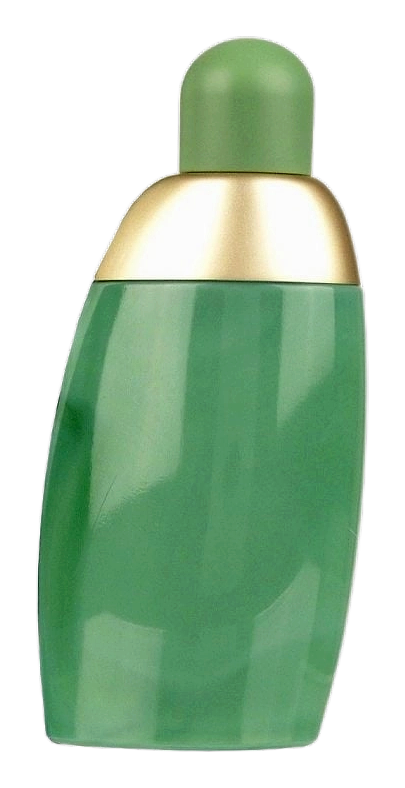
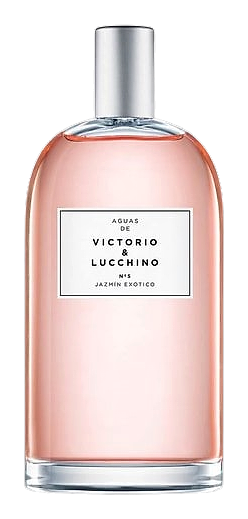
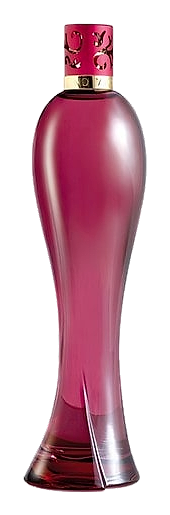
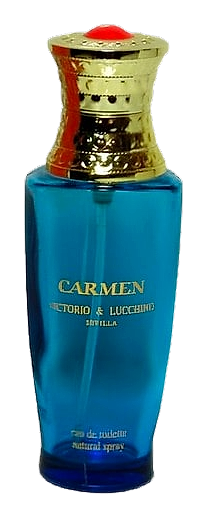
Carmen arrived in 1992, a composition signed by Rosendo Mateu. The formula reflects Mateu's approach: a white floral built around neroli, jasmine, and magnolia, with a clarity and restraint that lets each note speak without crowding the others. The juice itself is pale, almost colorless in the bottle, and sprays on with a cool, slightly bitter greenness that softens within minutes into something warmer and more rounded. There is a soapy cleanness running through the heart, but it never tips into the heavy indolic territory that flattens so many white florals. The drydown pulls the magnolia forward, leaving a quiet, creamy impression that lingers close to the skin. Carmen wears like a well-cut linen shirt, light, breathable, and unmistakably floral without ever announcing itself.
What gives Carmen its particular character is the neroli opening. Mateu leads with neroli, the distilled essence of bitter orange flower, which lends a sharper, almost herbal bite before the softer white florals arrive. That green-tinged lift at the top is bright and slightly metallic, reminiscent of crushed bitter orange leaves still on the stem. As the neroli settles, the jasmine and orange blossom bloom into a fuller white-floral heart, where the indolic sweetness of jasmine is tempered by a clean, almost detergent-like freshness.
The evolution
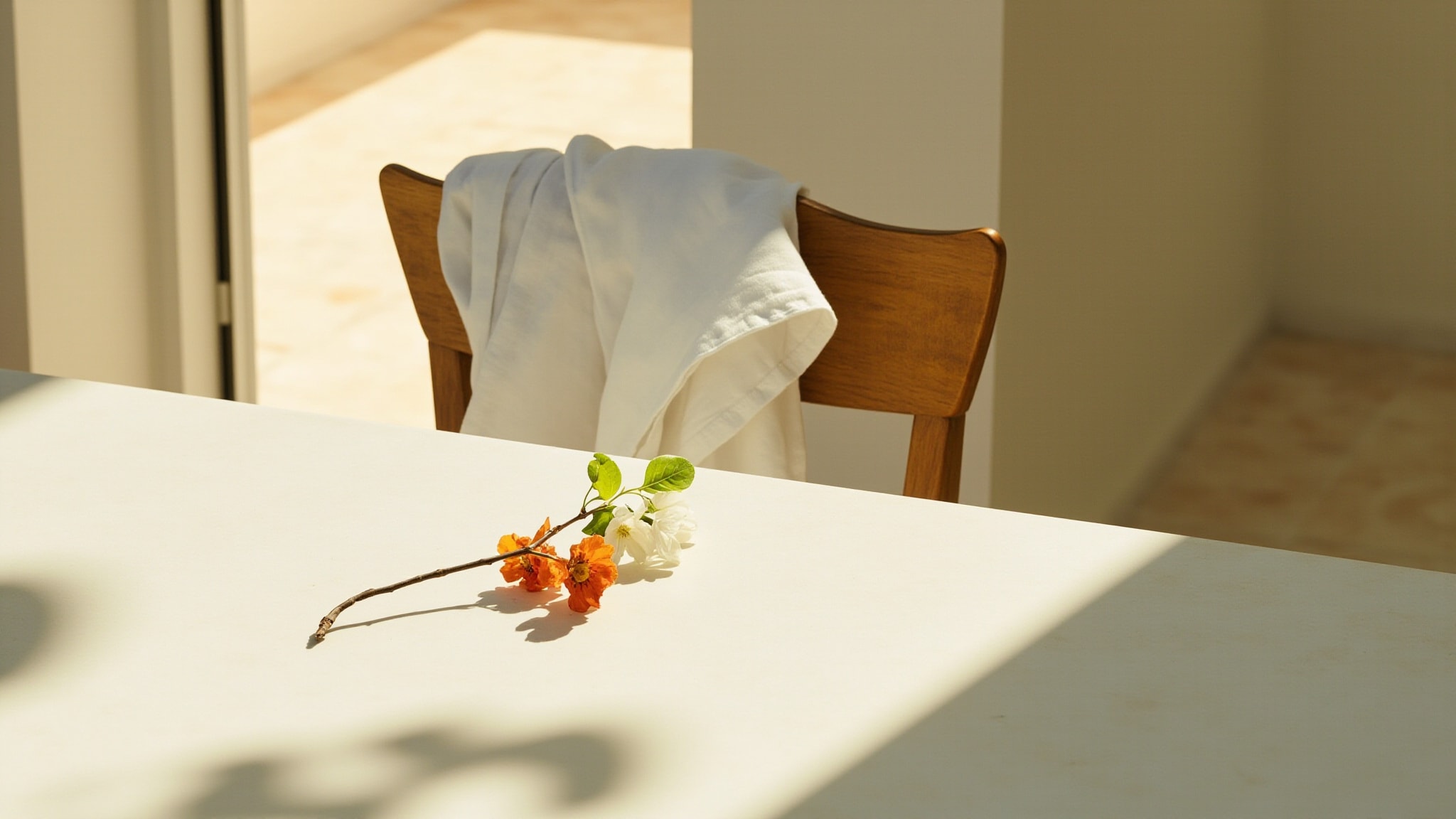
The opening is a neroli statement: green, almost bitter, with a freshness closer to cologne than perfume. It can read sharp on first spray, like something pulled from a just-opened bottle that hasn't had time to breathe. Within the first ten minutes the jasmine and orange blossom arrive, and the composition settles into its real voice, a soapy white floral that feels less like a fragrance and more like the scent memory of a freshly laundered linen shirt worn against warm skin. The transition is gradual rather than abrupt; the neroli recedes in stages, leaving traces of green behind long after the orange blossom has taken center stage. As the hours pass, a quiet powderiness develops, the magnolia doing its slow, slightly creamy work underneath the sharper florals above. Eventually the green top notes are gone entirely, replaced by a soft, intimate skin scent that clings close to the body.
Cultural impact
Carmen holds a particular place among neroli-forward white florals from the early 1990s. Its clean, green-leaning structure sets it apart from many of its contemporaries, giving it a character that feels distinct within the broader category of jasmine-magnolia florals. The composition rewards attention: the neroli opening, the way the orange blossom and jasmine negotiate the heart, the slow creamy emergence of the magnolia in the drydown. There is a restraint to the formula that makes it feel deliberate rather than simply light, a careful balance of bitter, soapy, and powdery notes that holds together from first spray to final trace.
The House
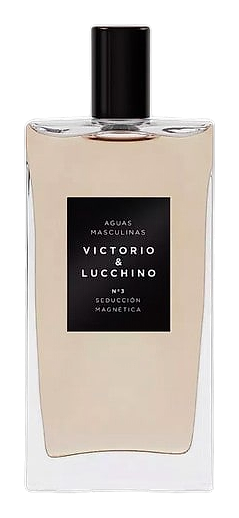
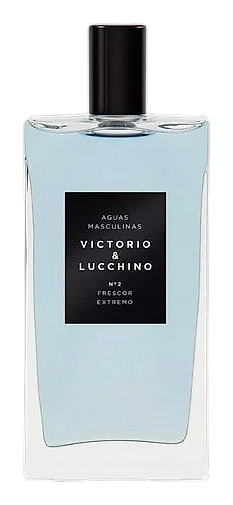
Victorio & LucchinoVictorio & Lucchino is a Spanish fragrance house that has built a catalogue of more than thirty scents since the mid‑1990s. The brand began as a partnership between two regional entrepreneurs and grew into a staple of the domestic perfume market. Its portfolio ranges from classic eau de parfum launches such as Abril (1995) and Sur (1998) to recent water‑based releases like Brisa Salina (2024). The company positions its creations as expressions of everyday Spanish life, using familiar colour cues and straightforward bottle designs that invite casual discovery.
The Creator
Rosendo MateuMateu's compositions draw from classical perfumery's foundations—woods, amber, musks—executed with technical precision and restraint. His work often unfolds in layers, revealing different facets over time rather than making a single dramatic statement.