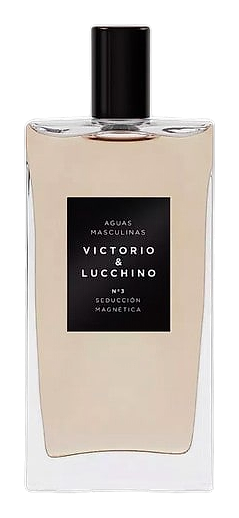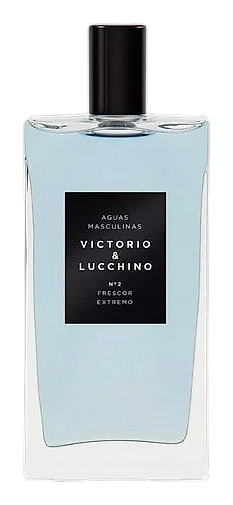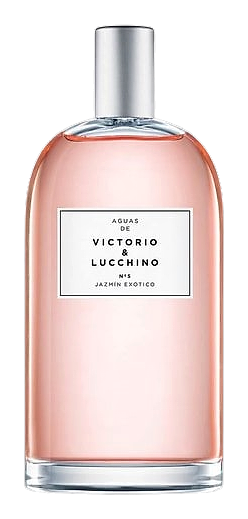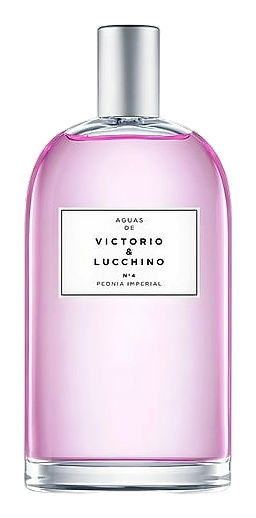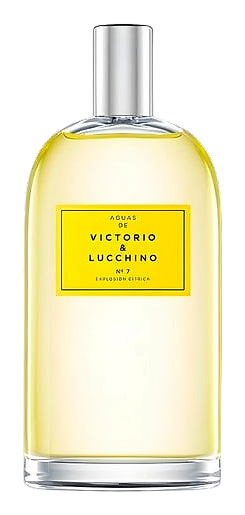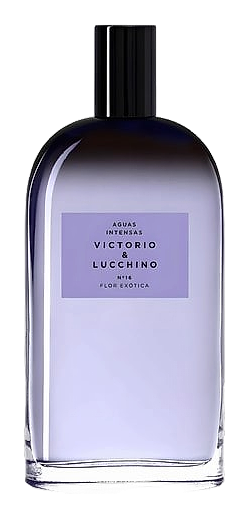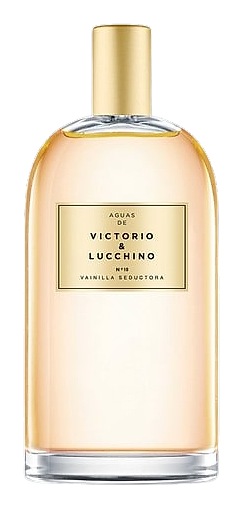
The Story
Why it exists.
The beginning
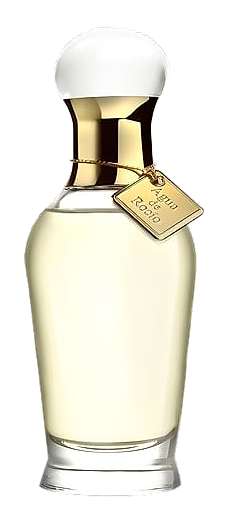
Victorio & Lucchino launched Agua de Rocio in 2003, and the name does most of the talking. Rocio is the Spanish word for dew, the fine moisture that clings to grass and petals in Mediterranean gardens before sunrise. That single word sets the entire premise of the composition: the soft, rinsed quality of something touched by water and not yet dried by the sun. The fragrance was shaped by three perfumers working in concert. Elisabeth Vidal, Pierre Bourdon, and Rosendo Mateu brought their respective strengths to the formula, each one known for a particular clarity and restraint in their compositions. Together they built a scent around citrus, neroli, orange blossom, and the clean wood notes that give the composition its quiet backbone.
What makes the composition land is how tightly the notes are bound to a single idea. Lemon, neroli, bergamot, and orange blossom together produce the bright, slightly bitter lift of a tree in bloom. The cedar and sandalwood do something subtler. They don't anchor the fragrance in a woody tradition, they pull against the citrus and add a dry, almost papery warmth. Musk rounds everything off without sweetness. The result is a cologne structure filtered through a Spanish sensibility, less a French fresh eau and more something that lives outdoors.
The evolution
The first 30 minutes belong entirely to the citrus and neroli. Lemon and bergamot crack open bright and almost sharp, then orange blossom widens the scent into something softer, more floral, with that faint bitter edge neroli carries. There's no real tropical sweetness here. The white floral feels sun-bleached rather than creamy. By the second hour, the cedar begins to settle in, dry and clean, like the scent of a wooden fence after rain. Sandalwood follows, adding a trace of warmth without turning the fragrance dense or powdery. From hour three onward, the composition stays close to the skin. Musk takes over as the carrier, and the drydown reads almost like warm skin that just stepped out of a shower, no sweetness to speak of, just clean. On fabric the next morning, it fades to a faint trace of soft wood and soapy musk.
Cultural impact
Agua de Rocio has earned a quiet following among wearers who reach for it in warm weather, often described in community discussions as a clean, mature summer scent that holds close to the skin. It tends to appeal to people looking for something that reads understated rather than declarative, the kind of a fragrance that works in close quarters without overwhelming a room. Repeat wearers often note its usefulness in professional settings, where heavier or sweeter compositions can feel like too much. Community wearers tend to describe it as a quiet, mature summer scent, the kind that suits office heat and outdoor lunches with equal ease.
The House
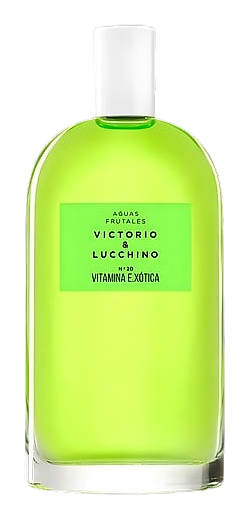
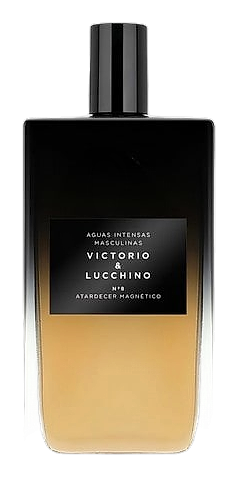
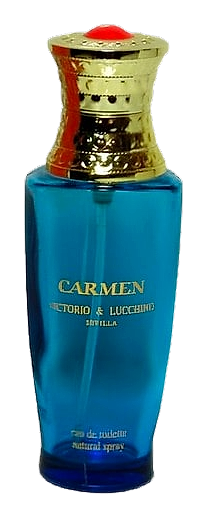
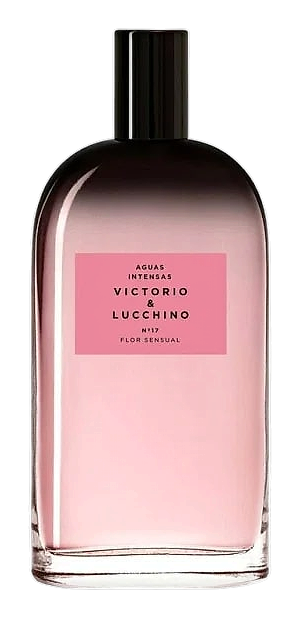
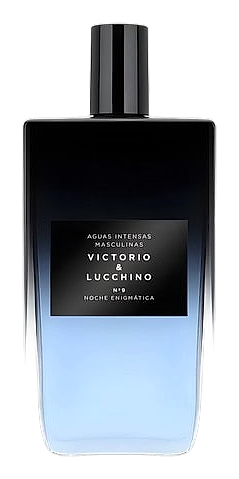
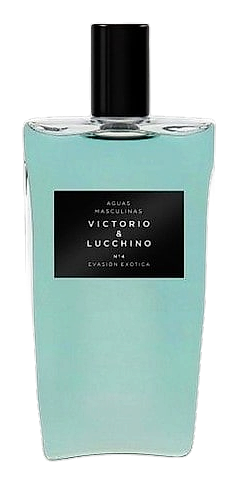
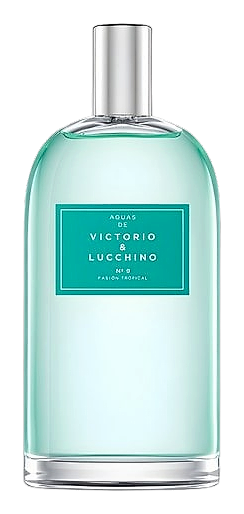
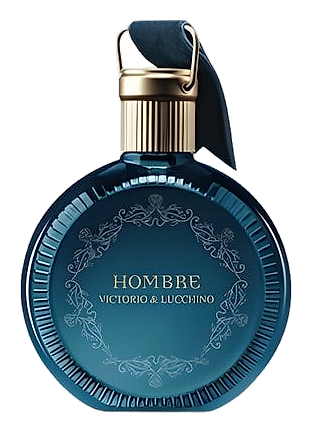
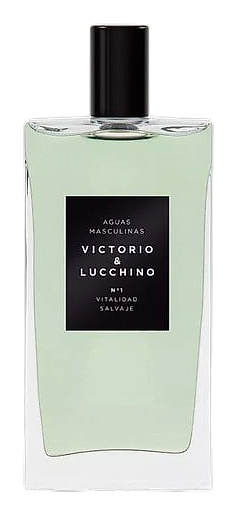
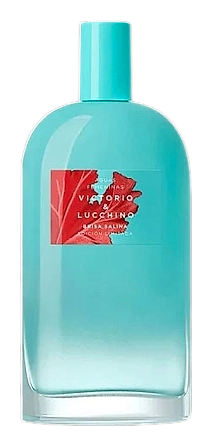
Victorio & LucchinoVictorio & Lucchino is a Spanish fragrance house that has built a catalogue of more than thirty scents since the mid‑1990s. The brand began as a partnership between two regional entrepreneurs and grew into a staple of the domestic perfume market. Its portfolio ranges from classic eau de parfum launches such as Abril (1995) and Sur (1998) to recent water‑based releases like Brisa Salina (2024). The company positions its creations as expressions of everyday Spanish life, using familiar colour cues and straightforward bottle designs that invite casual discovery.
The Creator
Elisabeth VidalVidal gravitates toward bright, citrus-forward compositions with a Mediterranean sensibility. Her work for Banderas leans on bergamot, blue aquatics, and clean musks; her Shakira pieces tend toward playful florals with gourmand accents.