The Story
Why it exists.
The beginning
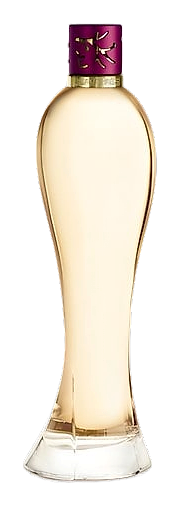
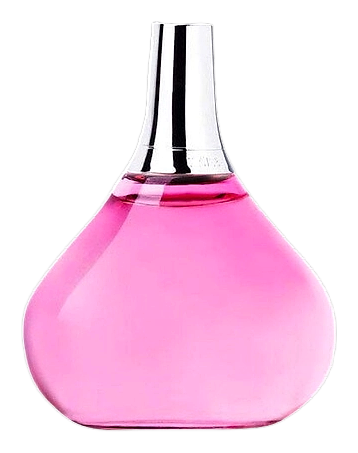
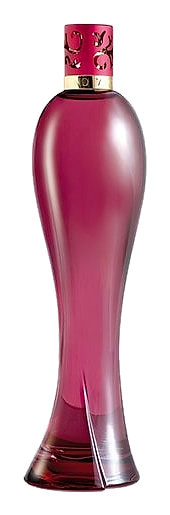
Three perfumers. One brief. 2007. Elisabeth Vidal, Alberto Morillas, and Rosendo Mateu brought different instincts to Hechizo, and what emerged felt inevitable rather than assembled. The name itself, Hechizo, means spell or enchantment in Spanish. The house framed it around the idea of something captivating, the kind of scent that holds attention without asking for it. No manifesto. No overwrought concept. Just the question every Spanish fragrance house asks itself: what does warmth smell like when it's lived in, not performed?
The Bulgarian and Moroccan rose pairing gives this a dual character, the heady depth of damask rose against something slightly earthier, more worn. Raspberry slips in sideways, adding a red-fruit brightness that keeps the florals from going heavy. It's the kind of structure that rewards patience: not a linear rose fragrance, but one that shifts as the fruit note blooms and fades on its own timeline. Patchouli doesn't overpower here. It steadies. Vanilla does what vanilla does, makes everything that came before it feel like it belongs together.
The evolution
Bergamot and lily of the valley hit first, a cool citrus-floral opening that reads daylight. Neroli softens the bergamot within minutes, turning the citrus from sharp to creamy. Around the 20-minute mark, the heart takes over: Bulgarian rose, Moroccan rose, raspberry. This is where Hechizo earns its name. The raspberry doesn't smell like candy, it's red, slightly tart, and it keeps the roses from going heavy on warm skin. Jasmine drifts underneath, adding body without dragging the composition down. Two hours in, patchouli and vanilla arrive together. Amber wraps the whole thing in warmth. The drydown is powdery-woody and stays close, intimate sillage, not room-filling. On fabric, it lingers past 8 hours. On skin, plan for 6 to 8. The next morning: vanilla, faint patchouli, nothing else. Clean skin remembers it longer than you'd expect.
Cultural impact
In 2007, the Spanish fragrance market had room for scents that didn't try to sound French. Hechizo arrived that year as a house effort from three accomplished noses, Morillas, Mateu, Vidal, working within a brand built on accessible, everyday Spanish beauty. It's the kind of fragrance that rewards the wearer who chooses it over a trendier import.