
    Brand Profile

    Victorio & Lucchino is a Spanish fragrance house that has built a catalogue of more than thirty scents since the mid‑1990s. The brand began…More

    Spain·Site

    5

    Fragrances

    4.5

    Rating

    Just Landed

    New Arrivals

    The latest additions to the Victorio & Lucchino collection.

    50
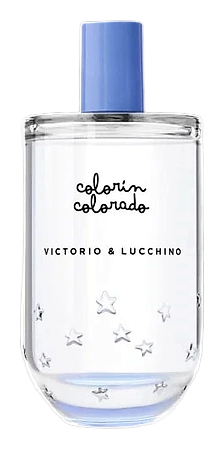
    Colorín Colorado by Victorio & Lucchino
    NewBest Seller
    4.7

    Colorín Colorado

    Brisa Salina by Victorio & Lucchino
    Best Seller
    4.7

    Brisa Salina

    Azul Selvático by Victorio & Lucchino
    Best Seller
    4.7

    Azul Selvático

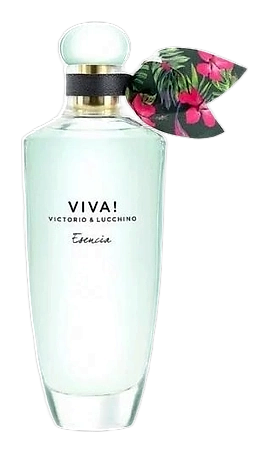
    Viva! Esencia by Victorio & Lucchino
    4.7

    Viva! Esencia

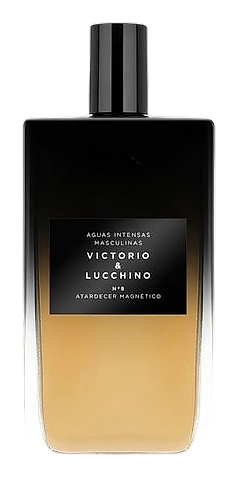
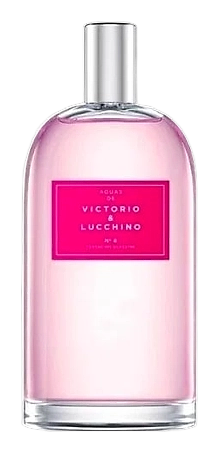
    Nº 8 Tentacion Silvestre by Victorio & Lucchino
    4.0

    Nº 8 Tentacion Silvestre

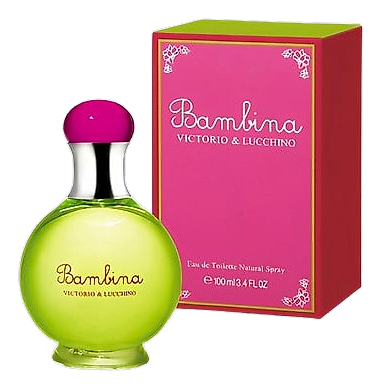
    Bambina by Victorio & Lucchino
    4.6

    Bambina

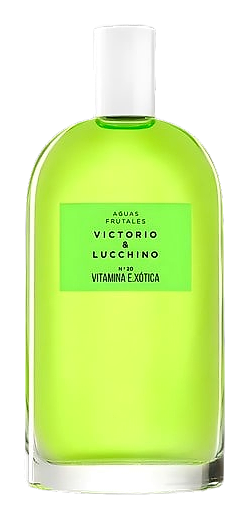
    Nº 20 Vitamina E.Xótica by Victorio & Lucchino
    4.5

    Nº 20 Vitamina E.Xótica

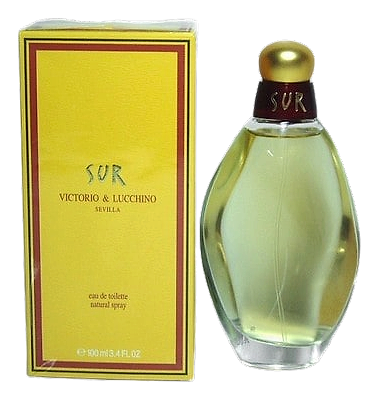
    Sur by Victorio & Lucchino
    4.4

    Sur

    Abril by Victorio & Lucchino
    4.3

    Abril

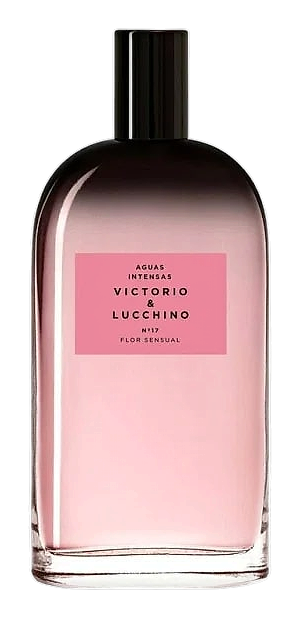
    N° 17 Flor Sensual by Victorio & Lucchino
    4.3

    N° 17 Flor Sensual

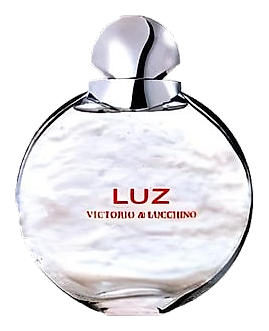
    Luz by Victorio & Lucchino
    4.3

    Luz

    Nº 18 Vitamina C.Ítrica by Victorio & Lucchino
    4.3

    Nº 18 Vitamina C.Ítrica

    1 of 5

    The Heritage

    The Story of Victorio & Lucchino

    Victorio & Lucchino is a Spanish fragrance house that has built a catalogue of more than thirty scents since the mid‑1990s. The brand began as a partnership between two regional entrepreneurs and grew into a staple of the domestic perfume market. Its portfolio ranges from classic eau de parfum launches such as Abril (1995) and Sur (1998) to recent water‑based releases like Brisa Salina (2024). The company positions its creations as expressions of everyday Spanish life, using familiar colour cues and straightforward bottle designs that invite casual discovery.

    Heritage

    José Luis Medina del Corral was born in Seville in 1954, and José Victor Rodríguez Caro arrived in Córdoba in 1952. Both entered the fragrance trade in the early 1970s, working for local distributors that imported foreign scents into Spain. They met in 1972 while handling a shipment of French perfume concentrates, and they quickly recognised a shared interest in adapting international trends for Spanish consumers. After a decade of joint buying and consulting work, they founded a private label operation that supplied private‑label fragrances to department stores across the country. By the mid‑1990s the partnership released its first proprietary scent, Abril, a fresh floral that referenced the spring month and resonated with shoppers seeking a domestic alternative to imported fragrances. The follow‑up Sur (1998) drew on the warm, mineral tones of southern Spain, reinforcing the brand’s commitment to regional inspiration. In 2002 the house introduced Luz, a bright citrus composition that highlighted the growing availability of locally sourced orange oil. The early 2000s also saw the launch of Bambina (2004), a soft, powdery scent that appealed to younger buyers. Over the next decade the label expanded its range with Viva! Esencia (2017), a vibrant aromatic that incorporated Spanish herbs, and a series of vitamin‑themed releases – Nº 17 Flor Sensual (2021), Nº 20 Vitamina E.Xótica (2023) and Nº 18 Vitamina C.Ítrica (2023) – that experimented with functional fragrance concepts. In 2022 the brand unveiled its Aguas de Victorio & Lucchino line, a collection of scented waters that offered a lighter, more affordable entry point for consumers. By 2024 the line included Brisa Salina, a marine‑inspired water that combined sea salt notes with a subtle citrus finish. Throughout its evolution, Victorio & Lucchino has remained a family‑run business, maintaining production facilities in Spain and preserving a distribution network that reaches both brick‑and‑mortar retailers and online platforms. The company celebrated more than twenty‑five years of activity in the Spanish market with the Aguas launch, marking a milestone that reflects both longevity and a willingness to adapt to changing consumer habits.

    Craftsmanship

    Victorio & Lucchino produces its fragrances in a dedicated workshop located near Seville. The facility houses a small laboratory where in‑house formulators translate the creative brief into a raw material list. Natural ingredients arrive from certified farms in the Valencia and Granada regions; orange peel oil, rosemary absolute, and almond extract are among the most frequently used raw materials. Synthetic aroma chemicals are sourced from European suppliers that meet REACH regulations, ensuring that each component passes safety assessments before entering the batch. The brand follows a batch‑by‑batch quality protocol: a senior chemist conducts a preliminary stability test, then a sensory panel evaluates the scent at three temperature points (15 °C, 22 °C, 30 °C) to confirm that the fragrance maintains its intended character. Once the formula passes these checks, the mixture is diluted to the appropriate concentration – typically 15 % for eau de parfum and 5 % for the Aguas water line – and filtered through a stainless‑steel mesh to remove particulates. Bottling occurs on a semi‑automated line that fills glass containers under a nitrogen blanket, limiting oxidation. Each bottle receives a hand‑applied label that includes the fragrance name, batch number, and a QR code linking to the brand’s digital archive. The final product undergoes a final sensory audit before being sealed and boxed. Throughout the process the company records batch data in a digital ledger, allowing traceability from raw material receipt to retail shipment. This systematic approach balances artisanal attention with modern quality standards, ensuring that each launch meets the same baseline of consistency.

    Design Language

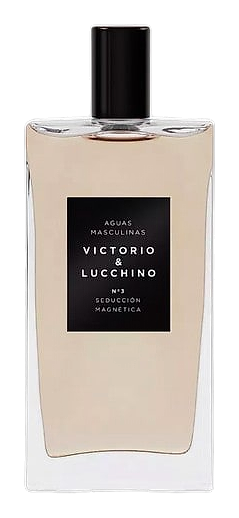
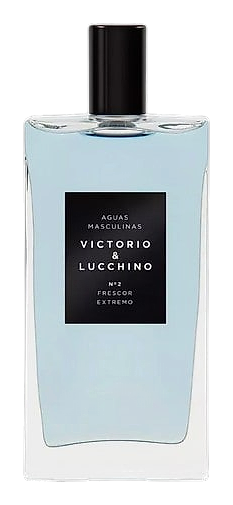
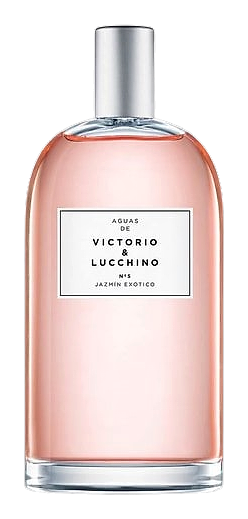
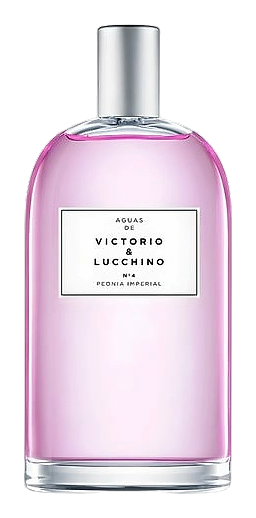
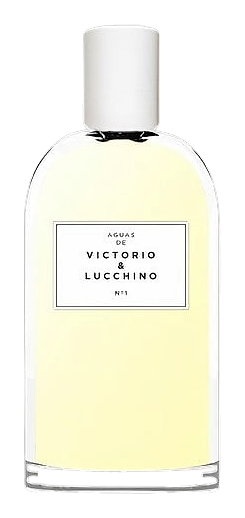
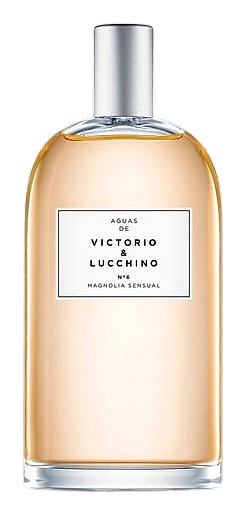
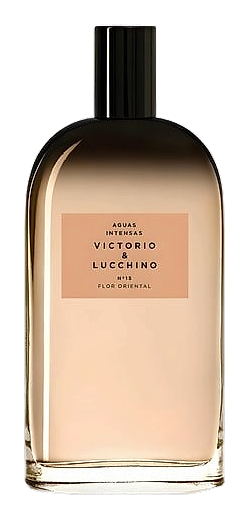
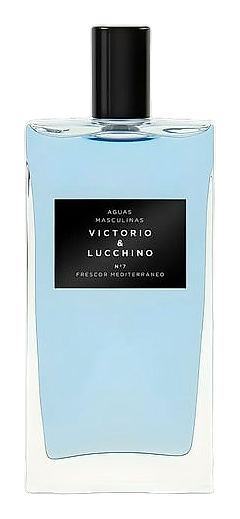
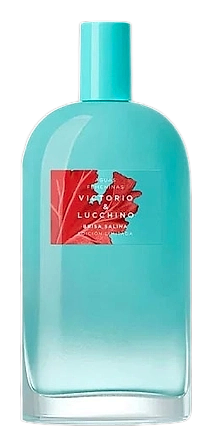
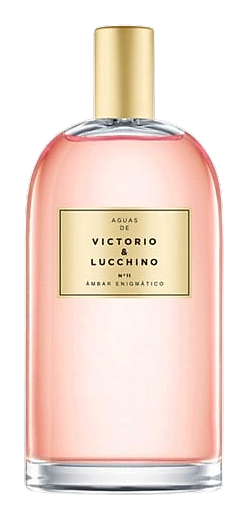
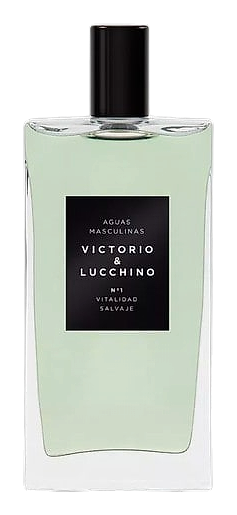
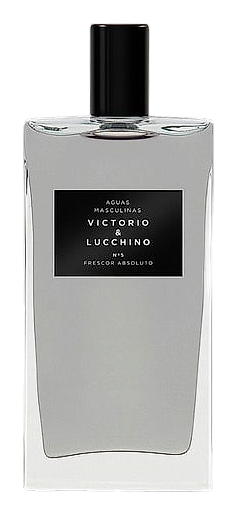
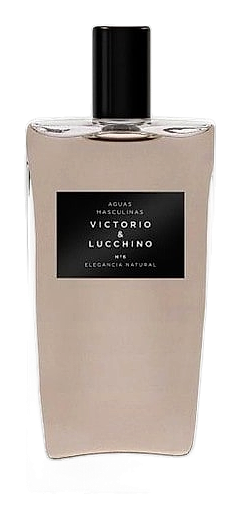
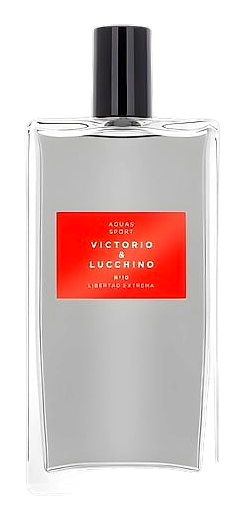
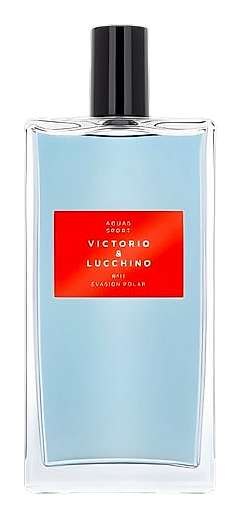
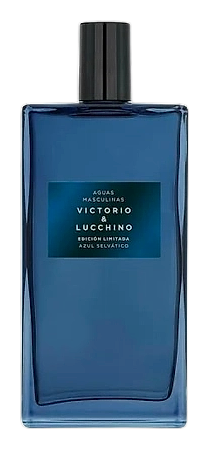
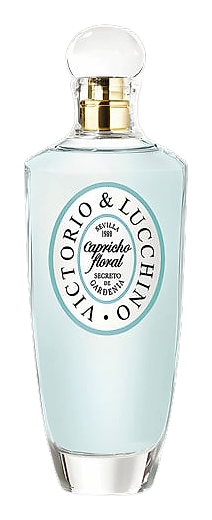
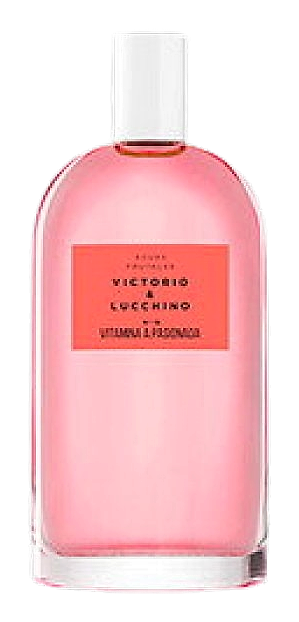
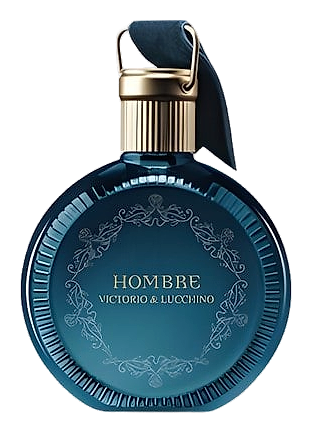
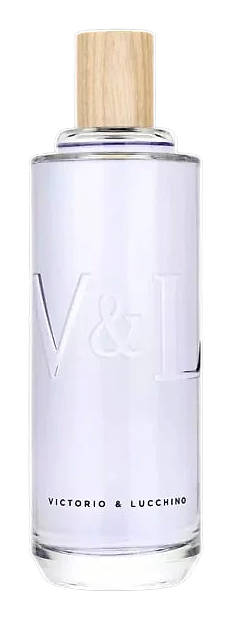
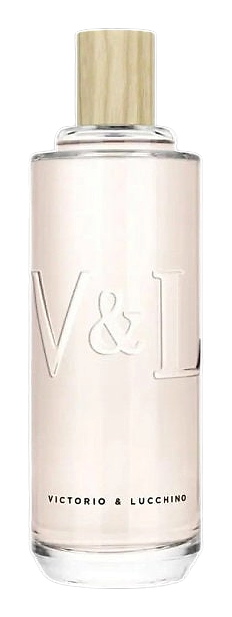
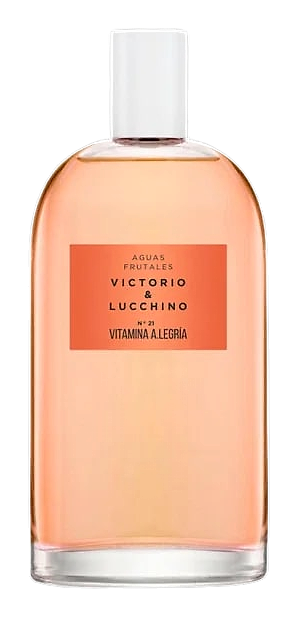
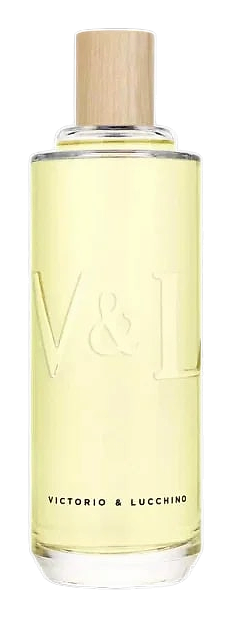
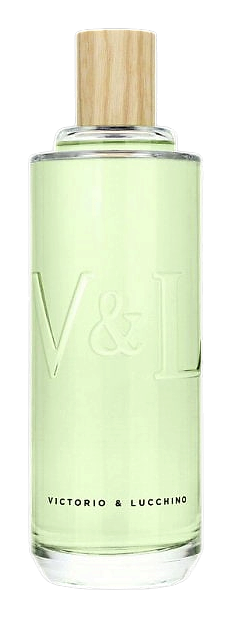
    The visual language of Victorio & Lucchino reflects its Spanish roots while remaining understated. Early bottles such as Abril and Sur featured clear glass with simple black caps and a rectangular label that displayed the fragrance name in a classic serif typeface. In the 2000s the brand introduced a subtle colour cue: Luz arrived in a pale amber bottle, hinting at its citrus heart, while Bambina used a soft pink hue to suggest its powdery profile. The Aguas collection adopts a more contemporary look; Azul Selvático presents a deep‑blue transparent bottle with a matte white label, and Brisa Salina uses a sea‑foam green vessel that evokes the marine theme. Across the range, the label design relies on clean lines, minimal ornamentation, and a consistent layout that places the brand logo at the top, the scent name in the centre, and regulatory information at the bottom. The logo itself combines the initials V and L in a stylised monogram that references traditional Spanish calligraphy without appearing overly decorative. Packaging materials are recyclable, and the brand often includes a small printed card that explains the inspiration behind each scent, reinforcing the narrative of place and season. This restrained aesthetic aligns with the company’s editorial tone – confident, approachable, and rooted in everyday Spanish culture.

    Philosophy

    Victorio & Lucchino frames its creative vision around the everyday landscapes of Spain. The founders have repeatedly stated that they aim to translate familiar scents – a Mediterranean breeze, a sun‑warmed orange grove, the salty air of a coastal town – into wearable forms. The brand values consistency, so each new launch follows a brief that references a specific place, season, or cultural moment. Rather than chasing fleeting trends, the house prefers to refine a single olfactory idea until it feels balanced. This approach leads to compositions that blend natural extracts, such as Spanish citrus, rosemary, and almond, with synthetics that provide stability and longevity. The company also emphasizes accessibility; by offering both traditional eau de parfum and lighter scented waters, it invites a broader audience to experience fragrance without the intimidation of high‑price points. Sustainability appears in the brand’s statements as a long‑term commitment: sourcing ingredients from certified growers in Andalusia, reducing packaging weight, and using recyclable glass for most bottles. The philosophy therefore rests on three pillars – regional authenticity, measured innovation, and responsible production – each of which guides decisions from scent development to retail strategy.

    Key Milestones

    1995

    Launch of Abril, the brand's first proprietary fragrance, inspired by the spring month.

    1998

    Sur is released, drawing on the warm, mineral tones of southern Spain.

    2002

    Luz debuts, highlighting locally sourced orange oil and a bright citrus profile.

    2004

    Bambina arrives, offering a soft, powdery scent aimed at younger consumers.

    2017

    Viva! Esencia launches, incorporating Spanish herbs and a vibrant aromatic character.

    2022

    Aguas de Victorio & Lucchino water line is introduced, expanding the brand into scented waters.

    At a Glance

    Brand profile snapshot

    Origin

    Spain

    Collection

    5

    Fragrances released

    Avg Rating

    4.5

    Community sentiment

    Release Rhythm

    2025
    3
    2024
    3
    2023
    5
    2022
    3
    2021
    3
    2020
    1
    2018
    9
    2017
    4
    victorioylucchino.com

    Did You Know?

    Interesting Facts

    Distinctive details and defining moments that shape the house personality.

    01

    The two founders met while handling a shipment of French perfume concentrates in 1972, a chance encounter that later sparked their joint venture.

    02

    Victorio & Lucchino's first fragrance, Abril, was named after the month in which it was launched, aligning the scent's fresh character with the season.

    03

    The Aguas line uses a lower fragrance concentration (about 5 %) to create a lighter, more affordable product that can be applied like body spray.

    04

    Each batch of fragrance is logged in a digital ledger, providing full traceability from raw material receipt to final retail shipment.

    The Artisans

    The Perfumers