The Story
Why it exists.
The beginning
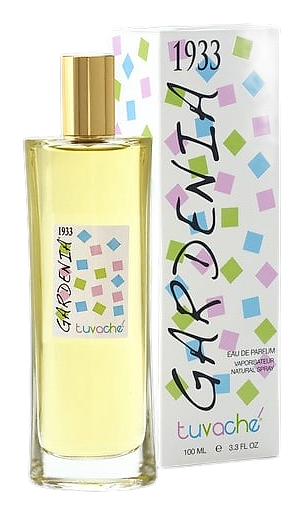
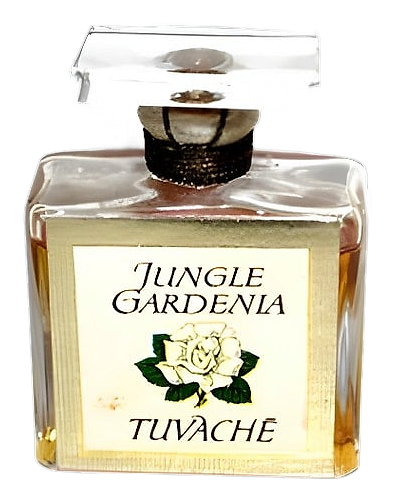
Bernadine de Tuvaché named Jungle Gardenia for what she wanted it to smell like: not a single gardenia in a vase, but a whole jungle of them, unchecked and thriving. The year was 1933. She had just finished her first year on East 57th Street, and she wanted a fragrance that felt like the energy outside her studio window, Harlem in full bloom, music spilling from every doorway, culture being made that the rest of the country had not yet caught up with. Jungle Gardenia was her answer: a white floral built for that kind of confidence.
What makes Jungle Gardenia unusual is not the individual notes, gardenia and tuberose have been companions since perfumery began, but the sheer density of white florals packed into a cologne concentration. Seven of them, counting lily of the valley and violet leaf. Most colognes are citrus and herbs, light and fleeting. This one tries to hold seven flowers in a structure designed to stay close to the skin. The tarragon and clary sage in the opening are doing real work here, cutting through the lush heart before it becomes overwhelming. The oakmoss and benzoin base are doing the opposite, pulling everything together, giving the florals somewhere to land instead of just dissolving into the air.
The evolution
The opening arrives fast. Bitter orange zest hits first, followed immediately by clary sage, green, almost herbaceous, a little sharp. The heliotrope softens the edges slightly, but there is no hiding that this opening is botanical and bracing. It is the kind of start that makes you pay attention. The heart is where Jungle Gardenia earns its name. Gardenia arrives with its trademark creamy-banana sweetness, followed immediately by tuberose, the one flower that makes gardenia look restrained. Ylang-ylang adds its waxy, slightly exotic weight. Jasmine brings its indolic warmth. The violet leaf and lily of the valley are there too, cooler and sweeter, but the dominant impression is tropical density, a greenhouse at night, everything blooming at once, humid air thick with petals. The drydown compresses rather than fades. The florals do not disappear, they become intimate, settling close to the skin as the sandalwood, benzoin, and musk warm up. Oakmoss gives the base a dark, slightly earthy grounding that keeps the whole composition from becoming purely sweet.
Cultural impact
Jungle Gardenia was Tuvaché's statement fragrance, a cologne that behaved like a parfum, seven white florals arranged with the confidence of someone who knew exactly what she was doing. The 1933 launch placed it squarely in the Harlem Renaissance moment, when Black culture was reshaping American art, music, and style. The scent was part of that wave, glamorous, unapologetic, and distinctly New York. It has since become something of a collector's piece for those who want vintage white floral intensity without vintage pricing.