The Story
Why it exists.
The beginning
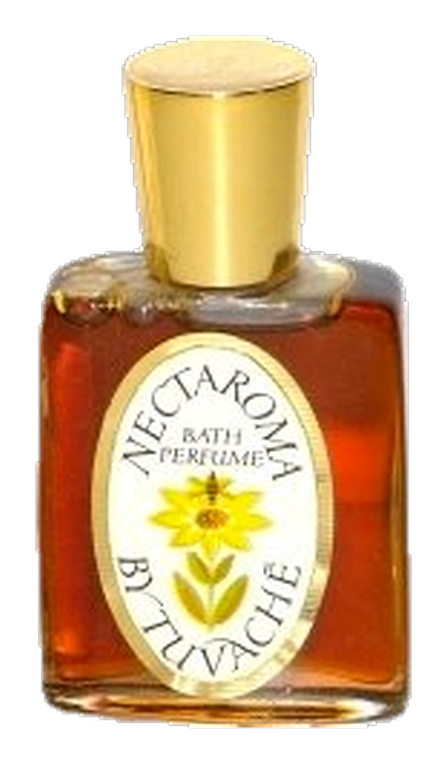
Richard Herpin introduced Nectaroma in 2013, naming it after the liquid sweetness found in blossoms. Rather than chasing raw sweetness, Herpin constructed a fragrance that captures the moment before nectar becomes cloying, using bright citrus and green herbs as a counterweight to the floral richness. The perfume functions as a bridge between crisp morning air and the drowsy warmth of afternoon sun on petals.
Herpin treats each note tier as a distinct chapter rather than a blended haze. The opening is deliberately sharp and aromatic, designed to wake the senses. The heart is where the sweetness lives, but it stays measured, never tipping into gourmand territory. The base brings everything home with woody and mossy elements that provide contrast and longevity. This architecture reflects a philosophy that nectar, by nature, is fleeting and should be experienced in stages rather than all at once.
The evolution
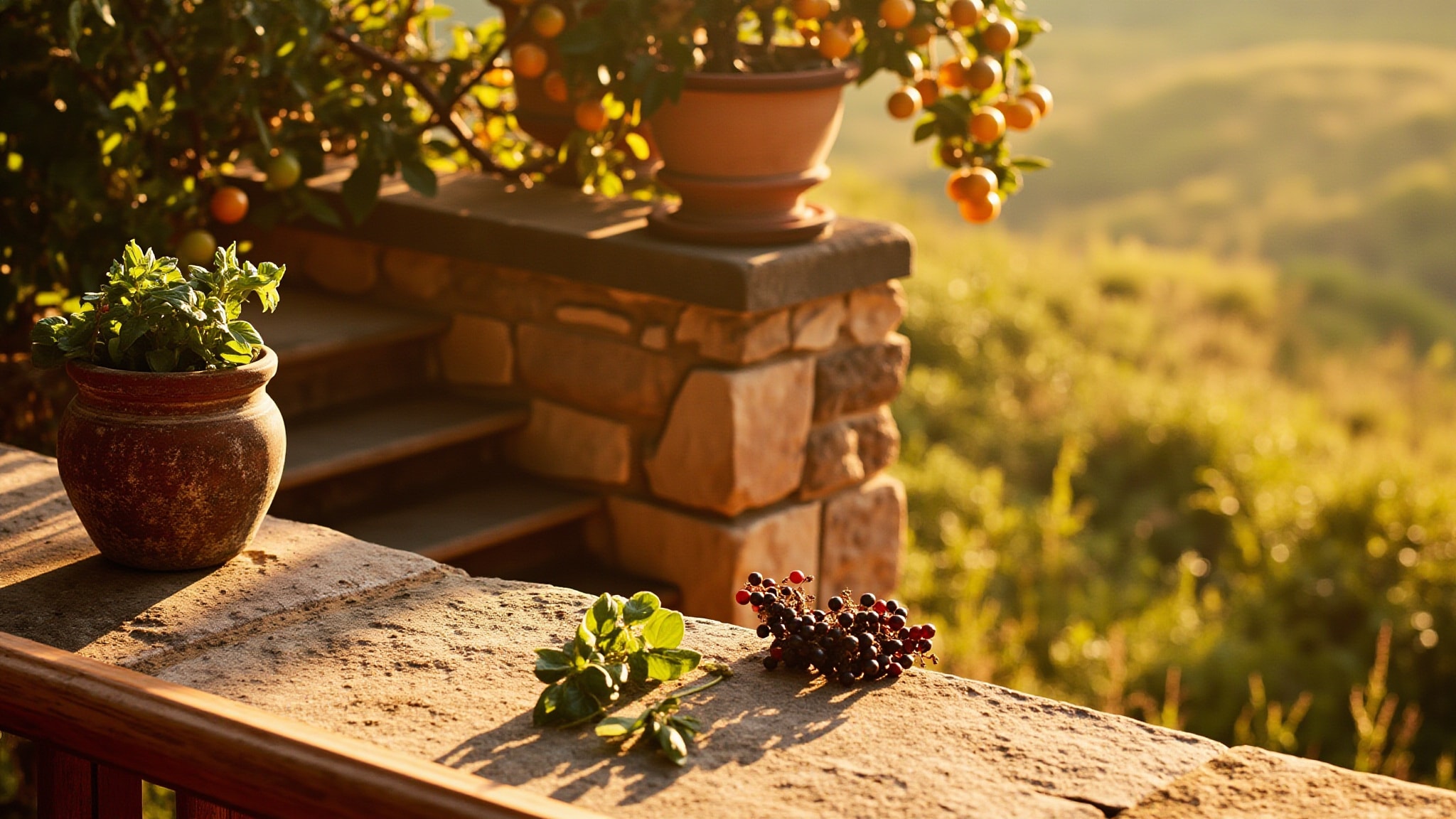
The fragrance begins with a luminous citrus burst, but basil and blackcurrant keep it grounded in something green and tart. As the top notes fade, orange blossom and neroli soften the edges, introducing a honeyed floral character that feels effortless rather than deliberate. Vetiver and moss arrive quietly in the drydown, pulling the composition toward an earthy, grounded finish that prevents the sweetness from lingering too long.
Cultural impact
Since its 2013 debut, Nectaroma has attracted fans of bright yet grounded florals who appreciate its lively citrus opening and quiet woody finish. Reviewers describe the scent as a garden‑fresh burst that gives way to a subtle earthy drydown, highlighting a balance that feels both youthful and sophisticated without slipping into overt sweetness. The fragrance often appears in conversations about modern florals, praised for its smooth layering of crisp citrus, lush floral heart and muted base, making it a versatile choice for everyday wear and special occasions alike.