
Heritage
A house, in its own words
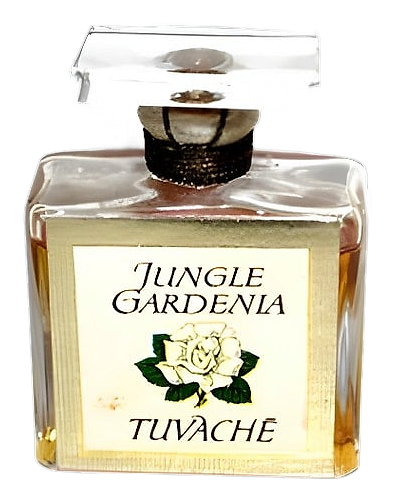
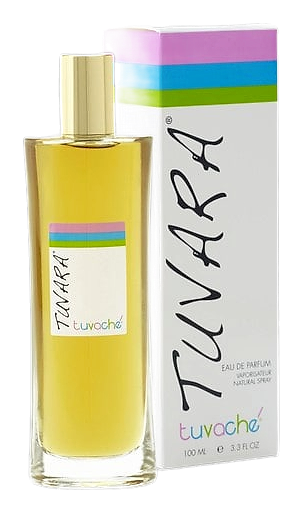
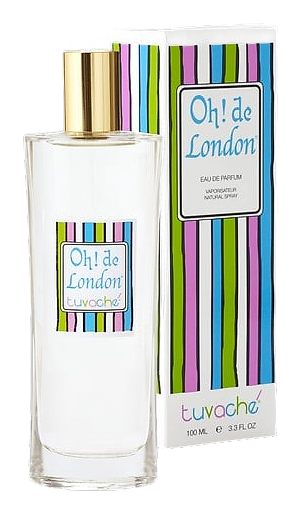
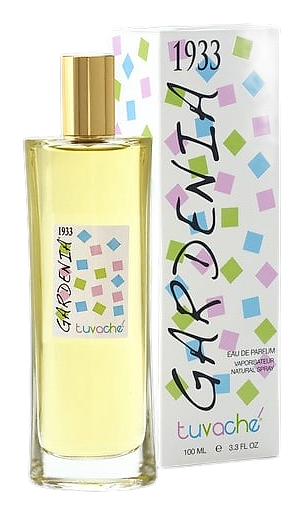
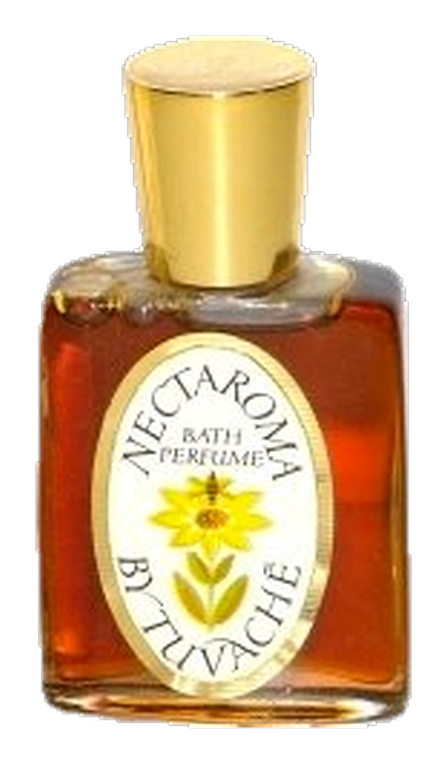
Bernadine de Tuvaché opened her first lab on East 57th Street in 1932, turning a tiny backroom into a scent workshop. She named the house after her married name, a nod to the French tradition she admired. Within a year she released Jungle Gardenia, a bright white‑flower perfume that captured the excitement of the Harlem Renaissance. The scent earned a place in New York’s elite salons and set a tone of fearless femininity. In 1948 Bernadine introduced Tuvara, a citrus‑spiced composition that reflected post‑war optimism. The bottle, a sleek amber flask, signaled the house’s shift toward modernist design. Two decades later Oh! de London arrived, blending English rose with a hint of pepper. Critics praised its confident contrast, and the perfume secured Tuvaché’s foothold in the transatlantic market. The 2010s saw a revival of gardenia motifs. Gardenia 2012 re‑imagined the 1933 original with a cleaner amber base, while Nectaroma (2013) paired honeyed nectar with subtle green notes, appealing to a younger, niche audience. Throughout its history, Tuvaché has kept a single studio in Manhattan, expanding only when a new fragrance demanded fresh equipment or a specialized ingredient. Today the house celebrates nearly a century of independent creation, maintaining the same hands‑on approach that Bernadine championed. Each launch marks a chapter in a story that balances heritage with a willingness to experiment. Tuvaché believes that perfume should speak directly, without hidden layers or pretension. The house pursues clarity, letting each ingredient announce its character before blending into a cohesive whole. Bernadine taught her apprentices to listen to the raw material, not to force a concept. This mindset drives modern releases, where the scent narrative starts with a single note—often a gardenia, a citrus peel, or a touch of honey—and builds outward. The brand rejects trends that mask authenticity. Instead it embraces the tension between tradition and invention, allowing a classic accord to meet an unexpected accent. Tuvaché’s creative team treats each brief as a conversation with the wearer, aiming for confidence rather than mystery. The result feels like a personal signature that anyone can wear proudly.