The Story
Why it exists.
The beginning
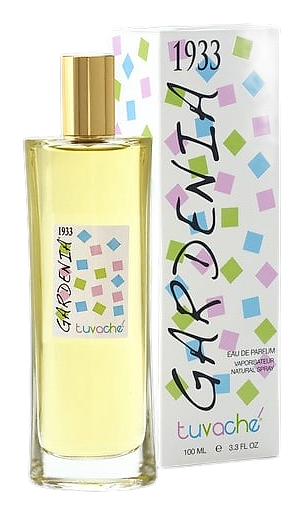
Gardenia 1933 emerged from Tuvaché's early years as an answer to a gardenia that wouldn't apologize for being itself. The white floral had been done polite. This was the opposite. The brief was simple: capture gardenia the way it actually grows, dense, almost overwhelming in its sweetness, with green undertones that smoke in humidity. What arrived was something sultry, deep, and deliberately uncontrolled. Not a corsage gardenia. A gardenia that meant business. Gardenia 1933 established Tuvaché's approach to florals: no softening, no hedging. The fragrance went straight for richness and dared the wearer to keep up. It carved a darker, more assertive path, built for women who wanted white florals with weight.
The structure here is unusual. Seven heart notes, gardenia, jasmine, tuberose, ylang-ylang, lily of the valley, tarragon, violet leaf, create a density that most modern gardenias avoid entirely. The lactonic accord (buttery, almost dairy-like) amplifies the creaminess until the florals stop reading as individual notes and start reading as atmosphere. Combined with the white floral and amber accords, the composition has a fullness that feels almost vintage in its ambition. Then there's the oakmoss.
The evolution
The opening announces its position immediately. Clary sage and bitter orange create an herbal, slightly astringent entry that feels nothing like the gardenia you're expecting. Heliotrope softens the edges just enough, adding a powdery warmth that bridges the herbal top to the white floral heart. The heart doesn't arrive so much as overwhelm. Jasmine and gardenia lead, but tuberose and ylang-ylang pile on until distinguishing individual notes becomes irrelevant. The effect is dense, almost syrupy, with a green undercurrent from violet leaf and tarragon that keeps the sweetness from becoming unbearable. The lactonic quality makes everything feel richer, rounder, less precise. By hour two, the florals begin their slow exit. Benzoin and sandalwood arrive first, adding warmth and creaminess without sweetness. Oakmoss follows, grounding the composition with its earthy, slightly mossy depth. Musk settles close to the skin, creating an intimate trail that stays for hours but never announces itself loudly.
Cultural impact
Gardenia 1933 occupies a unique space in the white floral category with its smoky, dense, lactonic interpretation. The clary sage opening adds an herbal complexity that distinguishes it from more straightforward gardenia scents. The fragrance appeals to those who appreciate depth and richness in white florals. The oakmoss drydown gives it an earthy, powdery character that feels distinctly vintage. This is a fragrance for someone who wants a gardenia with substance and staying power. It doesn't whisper, it announces itself with confidence, inviting the wearer into a world of unapologetic floral richness.