
The Story
Why it exists.
The beginning
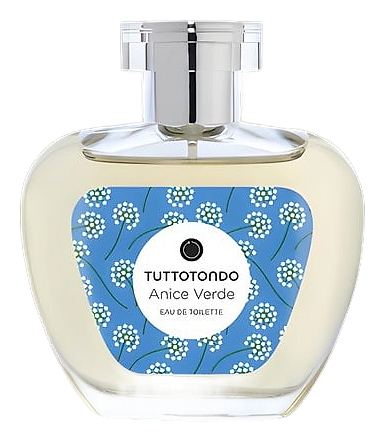
Anice Verde takes its central character from aromatic green anise associated with Castignano in Italy's Piceno region, where aniseed has been processed since the 15th century. Castignano's green aniseed is described as richer in fragrance and sweetness because of its anethole concentration. Tuttotondo builds the fragrance around an intense spicy note, with star anise sharpened by gardenia, hawthorn, and plum before a floral heart settles into creamy sandalwood. The composition balances aromatic green freshness with a soft floral center, revealing how a familiar herb can take on an elegant, gently rounded character.
The unusual part is the conversation between anise and pale flowers. Star anise contributes a dry, licorice-like heat, while gardenia and jasmine give the composition a polished, creamy character. Hawthorn and plum provide the listed fruit accents, adding definition without making the fragrance read as a dessert. Sandalwood keeps the heart grounded, giving the floral notes a smooth, almost powdered surface. Musk, amber, heliotrope, and benzoin then broaden the base, leaving Anice Verde balanced between fresh herbal brightness and warm, skin-like softness.
The evolution
The opening expresses Anice Verde's aromatic, fresh, green, and slightly aniseedy character. Star anise arrives with a cool bite, joined by plum and hawthorn's fruit-like brightness. Gardenia keeps the whole composition polished rather than medicinal. As that first impression settles, jasmine, lily of the valley, and orchid bring a luminous floral layer, while sandalwood gives it a creamy, rounded center. The drydown is where the composition becomes more tactile. Heliotrope adds a powdery softness, benzoin brings warmth, amber deepens the sweet trail, and musk shapes the final impression. It isn't a dramatic vanilla gourmand or a sharp spice bomb. The sequence moves from a lively aromatic beginning to a gentler floral and woody center, then into a warm, softly textured base that continues the fragrance's green character without relying on unsupported performance claims.
Cultural impact
Anice Verde draws on green anise associated with Castignano in Italy's Piceno region, where aniseed has been processed since the 15th century. Castignano's green aniseed is described as richer in fragrance and sweetness because of its anethole concentration. The fragrance explores that aromatic reference through star anise, gardenia, jasmine, lily of the valley, orchid, hawthorn, plum, sandalwood, heliotrope, benzoin, amber, and musk. Its appeal lies in the contrast between a cool, slightly aniseedy opening and a progressively softer floral and warm base.