

The Story
Why it exists.
The beginning
Town & Country was born in 1925 from William Thomson's workbench at The Crown Perfumery Company. The name captures a duality every Englishman understands: the polish of London versus the rougher honesty of the countryside. Thomson put together a composition shaped by that contrast, drawing on the crispness of an English garden and anchoring it with something woodier and more grounded beneath. The result was a fragrance that dressed up without losing the dirt under its fingernails. What emerged was a quiet signature for a certain kind of man, one who moved between drawing rooms and hunting lodges without changing his register. Town & Country wears its contradictions openly, and that tension between polish and grit is what gives it staying power.
What makes Town & Country interesting is its restraint. The composition threads rosemary, lavender, and thyme through the heart alongside cedar and clary sage, skipping the sugary shortcuts entirely. It's a study in green sharpness rather than sweetness. The genius is in what it leaves out, and the absence of tonka, amber, or heavy musk base notes lets the herbal character breathe cleanly from top to bottom. Each note arrives with a dry clarity that reads as aromatic without tipping into cologne territory.
The evolution
The first fifteen minutes belong to rosemary, bright and almost medicinal, cutting through with the clarity of an early morning. Lavender arrives within minutes, softening the edges but refusing to sweeten, keeping that crisp herbal edge alive. Clary sage introduces a drier, slightly musky dimension as the heart settles, lending a hay-like warmth that softens the sharper top notes without dulling them. By the two-hour mark, cedar has taken over, woody and clean, carrying whispers of thyme underneath. The whole composition dries down into something remarkably stable: a quiet, herbal-woody accord that lingers in that same register for hours on end without ever shifting into something unfamiliar. On skin, the transition from top notes to base feels like one continuous exhale, rosemary and lavender easing back as cedar and sage step forward without any sudden lurches.
Cultural impact
Town & Country sits in a category of its own, and if pressed to name a near neighbor, many would point to Penhaligon's Blenheim Bouquet, though Town & Country reads as drier and more austere in comparison. It appeals to wearers who want aromatic fragrance without the sweetness that dominates the genre. The composition pulls away from sugared lavender and creamy tonka bases, offering instead a herbal sharpness that trusts the wearer to appreciate austerity. For those drawn to vintage British perfumery, Town & Country holds a particular appeal.
The House
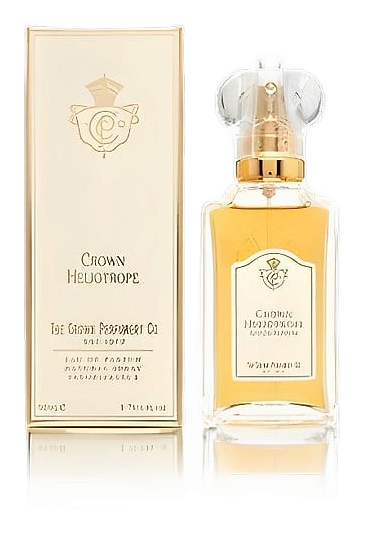
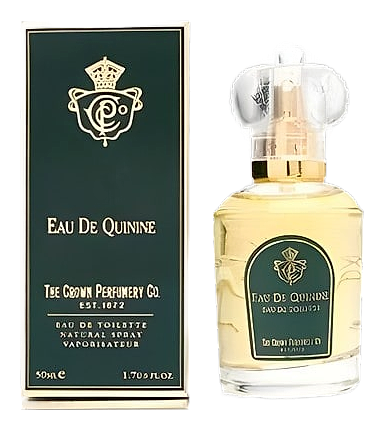
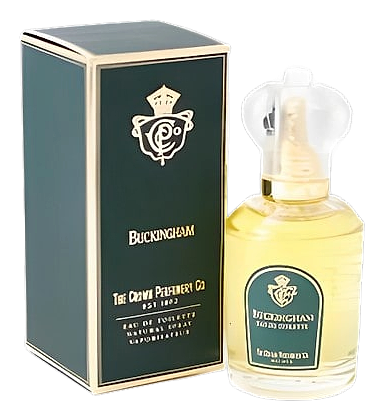
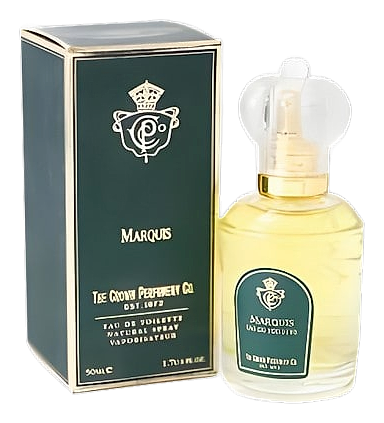
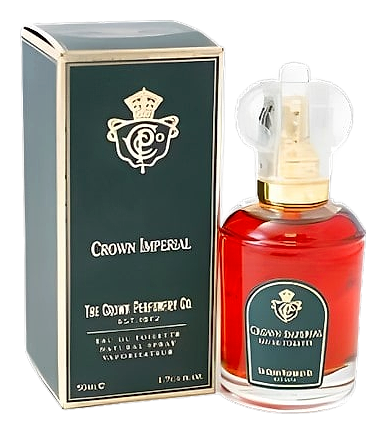
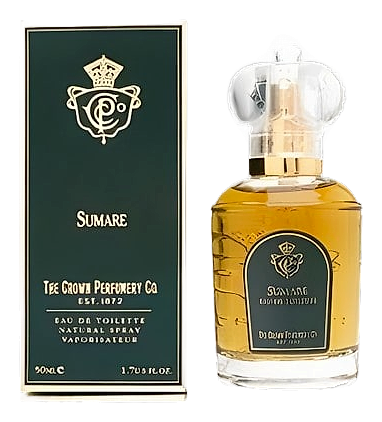
The Crown Perfumery Co.The Crown Perfumery Co. stands as one of London's oldest surviving perfume houses, tracing its lineage to 1872 when American businessman William Sparks Thompson established his fragrance company in the heart of the British capital. Today, the house operates under the Clive Christian label, which acquired the historic brand in 1999, preserving over a century of British perfumery heritage. The company specialized in perfumes, soaps, and toilet preparations, with its fragrances carrying distinctly British names and themes, from royal addresses like Buckingham to evocative locations such as Malabar and Sumare. The house produced notable creations spanning the late Victorian era through the 1980s, with fragrances like Crown Imperial and Tanglewood Bouquet representing different chapters of British olfactory taste.
The Creator
William ThomsonThomson favors a structured approach rooted in classic French techniques. He begins with a solid base of oakmoss, ambergris, and sandalwood, then layers citrus top notes such as bergamot and lemon to create lift.