





Heritage
A house, in its own words
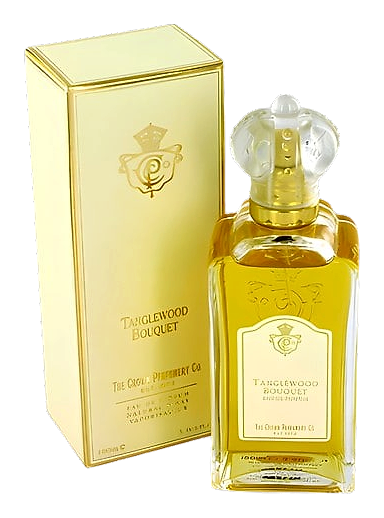
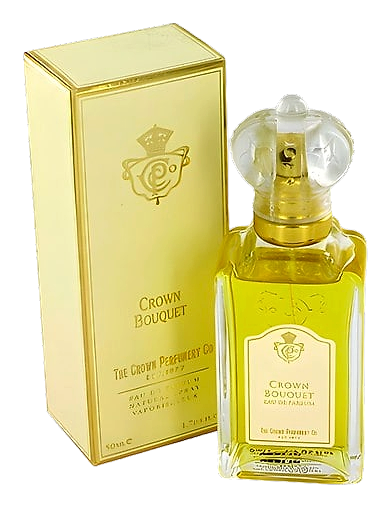
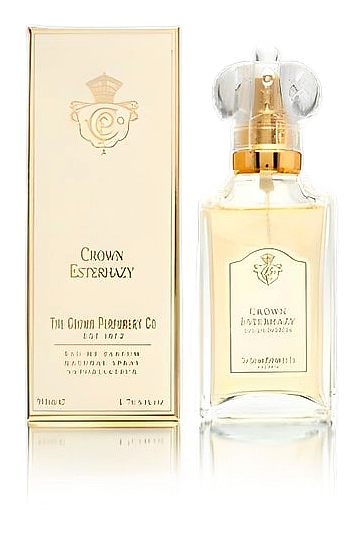
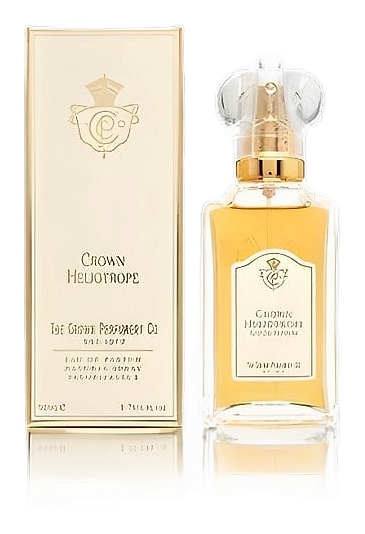
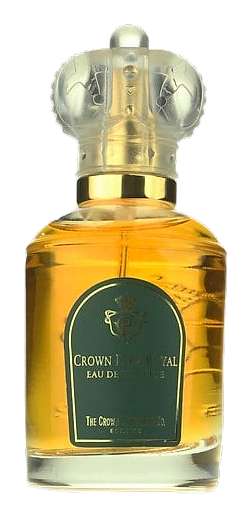
The story of The Crown Perfumery Co. begins not in a perfumery but in a corset shop. In 1840, William Sparks Thompson, an American from Connecticut, opened a corset manufacturing business at 40 The Strand, London. This entrepreneurial venture on one of London's most prominent streets laid the commercial foundation for what would eventually become a celebrated fragrance house. The transition from corsetry to cosmetics reflected a common Victorian-era business evolution, as manufacturers of women's garments often expanded into related toiletry products. By 1872, Thompson had formally established The Crown Perfumery Company, creating a distinct identity separate from his earlier corsetry business. The company gained significant momentum in 1885 when Thomson expanded operations across the Atlantic, establishing an American branch and investing $100,000 in advertising, a substantial sum for the period that generated very successful results. By 1914, the company operated from manufacturing facilities at Sidney Road in Homerton's East End of London, producing perfumes, soaps, and toilet preparations under its Crown branding. The house produced its first concentrated perfume, Crab Apple Blossom, in 1886, marking the beginning of its formal fragrance lineage. The company's portfolio grew to include distinctive creations like the 1874 Crown Esterhazy, the 1911 Eau de Russe, and the 1932 Tanglewood Bouquet. In 1999, British designer Clive Christian acquired The Crown Perfumery, incorporating its historical formulas and heritage into his own luxury perfume label while maintaining the original 1872 founding date as a cornerstone of the brand's identity. The Crown Perfumery Co. operated under principles that emphasized British craftsmanship and accessible luxury during an era when quality fragrances remained largely the domain of the French aristocracy. Thompson's decision to establish an American branch in 1885 reflected a philosophy of democratizing British perfumery, making these scents available to a broader transatlantic market. The house named its fragrances after places, emotions, and British institutions, creating an accessible vocabulary that connected English-speaking consumers to their heritage through scent. The acquisition by Clive Christian in 1999 brought a renewed emphasis on heritage preservation, with the designer positioning the 1872 founding as the true origin point of his own perfume house. This approach reflects a philosophy of treating fragrance as cultural artifact rather than mere consumer product. The house's willingness to revive formulas decades later, as seen with Eau de Quinine's 1980s reintroduction, suggests an enduring respect for the original creative vision and the belief that certain scent profiles transcend their original historical moments.