William Thomson
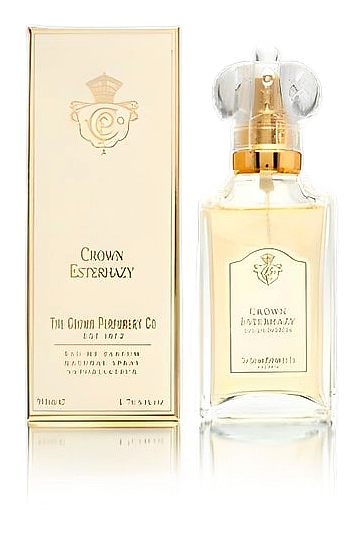
William Thomson emerged from a modest clerkship in Glasgow’s dry-goods trade before turning his eye to iron and perfume. In the early 1860s he launched Crown Iron Works, a workshop that supplied machinery to shipyards along the River Clyde. The success of his metal business funded a bold pivot: in 1872 he opened The Crown Perfumery on London’s Bond Street. He built the house from a single laboratory, hiring a handful of apprentices and sourcing raw absolutes from Marseille and Grasse. Within a decade his boutique stocked five distinct fragrances, each bearing the Crown’s discreet seal. Critics praised his ability to marry industrial precision with sensual nuance, and his name quickly appeared in society columns as the new voice of British perfume. Today collectors cite his early bottles as benchmarks of Victorian elegance.
The hits
Notable creations



The signature
How William composes
Thomson favors a structured approach rooted in classic French techniques. He begins with a solid base of oakmoss, ambergris, and sandalwood, then layers citrus top notes such as bergamot and lemon to create lift. He often introduces a heart of rose or jasmine, allowing the floral to breathe without overwhelming the base. His preferred ingredients include Bulgarian rose, Tunisian orange blossom, and Indian sandalwood, all harvested at peak maturity. He mixes by hand, using a glass rod to ensure each component integrates evenly. The result is a fragrance that reads like a well-written letter—clear, purposeful, and unmistakably British.
Philosophy
What drives William
Thomson treats each formula as a conversation between material and memory. He believes a scent must anchor a moment while inviting the wearer to imagine the next. He rejects fleeting trends, insisting that durability rests on balance rather than novelty. His work respects the provenance of each ingredient; he prefers natural extracts that retain their original character. By measuring each drop against a mental scale of warmth, clarity, and depth, he crafts fragrances that feel both personal and timeless. The drive behind his practice is simple: to give people a scent that feels like a quiet confidence.
The houses