The Story
Why it exists.
The beginning
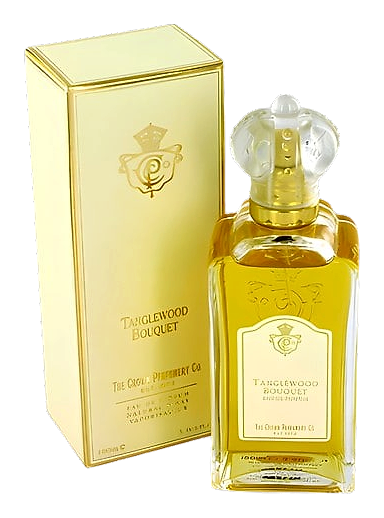
Tanglewood Bouquet arrived in 1932, when The Crown Perfumery Co. was already sixty years into its London story. The name suggests woodland, tangled groves, overgrown paths, but the fragrance itself is entirely civilized. It was composed during an era when British perfumers were defining what accessible luxury meant: quality materials, recognizable beauty, no pretension. The scent opens with creamy, full-bodied florals that suggest garden blooms pressed between the pages of an old book rather than wild undergrowth. There is something cultivated about its character, as though the natural world has been tamed and presented with quiet sophistication. Tanglewood Bouquet fit that tradition, evocative, slightly mysterious, rooted in something real but dressed for the city.
What makes this composition interesting is how it balances the tropical lushness of ylang-ylang against a decidedly British restraint. The top opens fat and floral, peach sweetness, jasmine creaminess, but the heliotrope and powdery base keep everything from tipping into softness. The cinnamon and nutmeg don't dominate; they add a quiet complexity that rewards patience. This is not a fragrance that announces itself. The resinous base, particularly the benzoin and styrax, gives it the staying power that separates a true Eau de Parfum from a passing impression. It evolves slowly, like watching fog roll through trees.
The evolution
The opening is creamy and full-bodied, ylang-ylang leading the composition before the heliotrope softens everything into face powder territory. The jasmine does not disappear; it retreats, holding the structure while the warmer notes build underneath. The vanilla emerges with sweet but not cloying presence, woven through with cinnamon's quiet warmth that adds a gentle spice without sharpness. As the fragrance develops on the skin, the florals settle into a smooth, powdery heart that feels intimate and refined. The drydown reveals benzoin and styrax creating a skin-warm amber that persists, the kind of scent you catch on your wrist hours later and wonder where it came from. Throughout its development, the fragrance maintains a civilized character, never straying into territory that feels untamed despite the woodland suggestions in its name.
Cultural impact
Tanglewood Bouquet occupies an interesting position in the vintage fragrance landscape. Released in 1932, it predates the Second World War and offers a window into a particular approach to British perfumery during the interwar years. The name itself, Tanglewood, suggests something wilder than the fragrance delivers, which may be the point. The scent presents a civilized interpretation of woodland themes, all polish and refinement rather than raw nature. It speaks to an audience that appreciates the idea of escape while remaining firmly rooted in urban reality.