
The Story
Why it exists.
The beginning
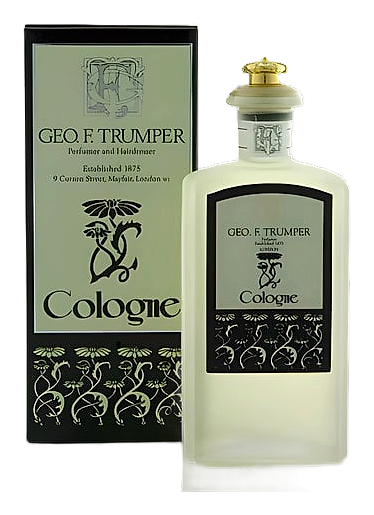
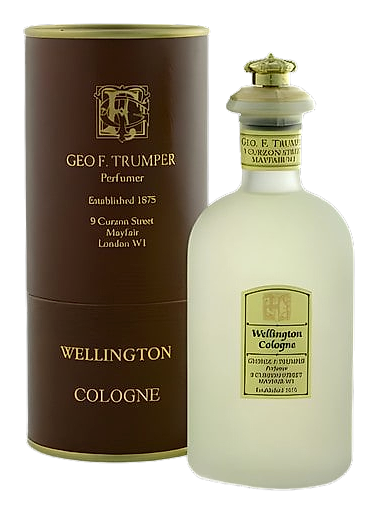
Wellington takes its name from the Duke, that uncompromising figure whose silhouette became synonymous with British resolve. In 1876, when Geo. F. Trumper introduced this cologne, the fragrance carried the weight of that name with it. The scent was composed to serve as the finishing touch, the final note in a well-considered morning. The fragrances grew from the same logic as the razor cuts and hot towel shaves offered in the shop. The formula was built around clarity and purpose, with a crisp citrus opening that prepared the way for herbal depth beneath, and a clean musk base that kept everything close to the skin throughout the day.
What makes the structure interesting is the rosemary dominance at the top, where bitter, almost medicinal sharpness asserts itself before the citrus and white florals arrive to soften the edges. The rosemary pushes through with an herbal clarity that gives the cologne its backbone. As the citrus oils settle, the white florals emerge gently, adding a soft floral layer that doesn't overpower but rather complements the herbaceous foundation. The musk base is clean and austere, keeping the entire composition grounded in restraint rather than warmth.
The evolution
The opening arrives brisk with citrus oil brightness, the rosemary already pushing through with its bitter, almost camphor-like edge. Neroli adds a delicate orange blossom softness alongside the citrus. As the initial burst settles, the herbs remain present, their camphorated quality softening gradually as the florals begin to emerge. The citrus recedes and the florals take over, rose petals and a whisper of lily of the valley becoming more noticeable. The drydown settles into clean musk and powdery warmth, close to the skin and intimate. Over time the fragrance transitions smoothly, the herbal sharpness mellowing into a softer aromatic character as the florals and musk work together to create a composed, lingering finish that remains perceptible on fabric and skin for hours.
Cultural impact
Wellington Cologne has outlasted every trend cycle. Released in 1876, it remains in production, an endurance that speaks to its staying power. The fragrance occupies a particular space in the market for those who appreciate its herbal character and restrained approach. It's not a fragrance that seeks to please everyone, and that has worked in its favor over the decades. The formula has remained recognizable, maintaining the same essential character from decade to decade.