
The Story
Why it exists.
The beginning
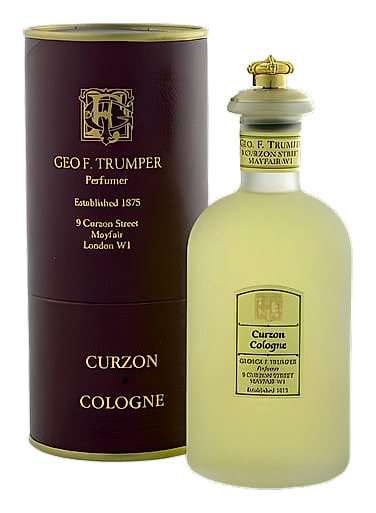
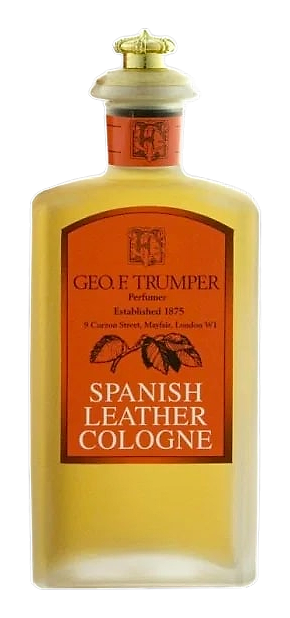
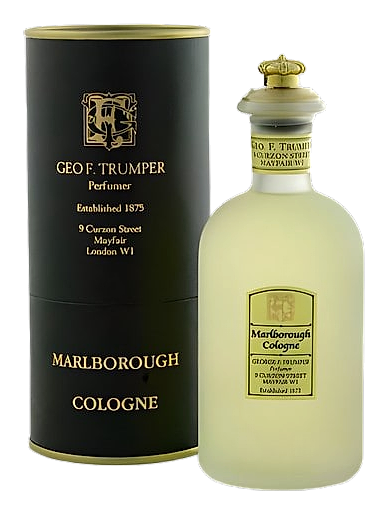
The name Marlborough carries associations that are difficult to define precisely, authority, heritage, a particular Englishness that does not need to announce itself. Geo. F. Trumper's Mayfair shop had been outfitting a certain world since 1875, catering to men who understood that appearance was not vanity but self-respect. By the late 1870s, this clientele had grown, and the shop developed Marlborough as a dedicated cologne to meet their needs: a fragrance that could become part of a daily routine without demanding attention. It was meant to be presentable, reliable, the kind of scent that feels inevitable rather than imposed.
Lavender, geranium, and cedar form a pyramid in Marlborough that serves function over novelty. These materials have been staples in perfumery for good reason, they behave predictably, offering clarity and structure without overwhelming. The combination creates a fragrance with clear progression: an opening that establishes presence, a heart that provides substance, and a base that settles into the skin rather than projecting outward. The overall effect resembles a well-cut suit more than it does theatrical costume, everything in its proper place, nothing competing for attention.
The evolution
The lavender arrives first, crisp and camphoraceous, filling the space immediately around the wearer with its clean, green intensity. As it settles, geranium emerges, green-floral with a subtle sweetness and a leafiness that softens the sharpness the lavender left behind. Cedar begins to layer in alongside the geranium, not displacing it but complementing it, adding a dry woody warmth that provides solidity to the heart. Over time, the initial brightness fades and cedar takes over, warm and resinous, a note that stays close to the skin without vanishing entirely. The overall effect is one of gradual transition rather than dramatic change, each stage giving way to the next without hard boundaries. On fabric, the base notes can persist well after the initial application, a faint woody warmth that lingers like the memory of a collar freshly pressed and ready.
Cultural impact
Marlborough has worn consistently since 1877, which is its own kind of statement. The men who reach for it tend to be those who already know what they like, men comfortable with the barbershop genre and its reliable, no-nonsense approach to fragrance. Unlike seasonal releases that come and go, Marlborough has remained available, its formula carrying forward what made it work in the first place. The composition offers a phase-by-phase evolution that feels natural rather than engineered, a progression that has become increasingly rare in modern perfumery, where synthetic materials often produce more uniform results.