

The Story
Why it exists.
The beginning
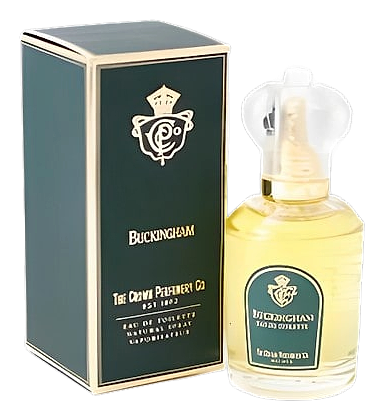
Buckingham was created by William Thomson for The Crown Perfumery Co. and released in 1880. The reference materials give no further account of Thomson's inspiration or intent, so what can be read with certainty comes from the composition itself: bergamot, lemon, cypress, juniper, pine, fougère, spice, balsam, and woods. Bergamot and lemon establish a brisk, lightly sparkling opening, while cypress introduces a sharp green edge. Juniper and pine deepen the aromatic character with resinous, woody textures, and the fougère accord brings herbal freshness into the heart of the fragrance. Spice adds warmth without making the composition overtly sweet, while balsam and woods lend a darker, drier finish.
The interesting part is the old-fashioned vocabulary of Buckingham's structure. Bergamot and lemon bring a polished citrus brightness, while cypress, juniper, and pine pull the composition toward evergreen woods and aromatic fougère. Spices introduce heat without turning the scent loud, and balsamic notes provide a dark, resinous base. It is a study in contrasts: citrus beside evergreen, fougère beside spice, freshness beside balsamic depth. The result feels less like a modern transparent cologne and more like a formal fragrance designed to leave an orderly impression.
The evolution
Buckingham begins with a brisk brush of citrus, sharpened by the green snap of cypress and the resinous scent of juniper and pine. That first impression is clean but not airy; it has the polished friction of a stiff collar and the snap of polished leather. As the opening settles, the fougère accord becomes more apparent, carrying herbal freshness into a warmer, spiced center. Citrus gradually recedes while juniper, pine, and cypress keep the composition green and sharply defined. Spice adds a dry warmth, and the combination avoids an obvious sweetness. Instead, the fragrance moves toward balsamic notes and broad woody textures, losing brightness while gaining weight and formality. Balsam gives the later stages a deeper, slightly medicinal edge, while woods create a smooth, dry finish.
Cultural impact
Buckingham connects the fragrance with William Thomson and The Crown Perfumery Co., offering a composition built around bergamot, lemon, cypress, juniper, pine, fougère, spice, balsam, and woods. Its appeal lies in the interaction of bright citrus, aromatic greenery, resinous depth, and dry woods. The opening feels crisp and direct, while the later notes develop into a warmer, more grounded scent. This progression invites close attention to how each element changes the fragrance as it settles on skin, revealing a composition that is polished without relying on overt sweetness.
The House
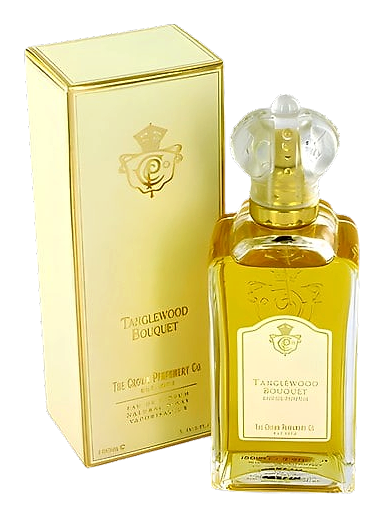
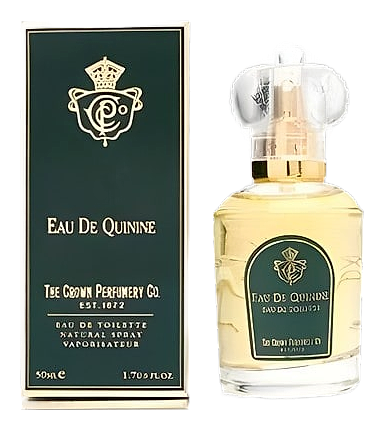
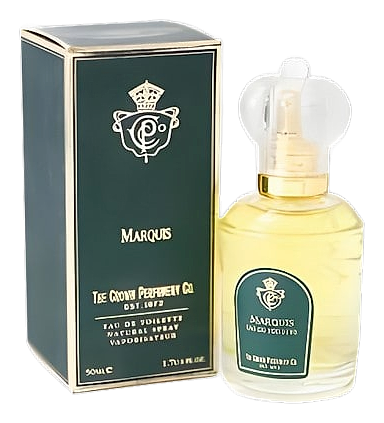
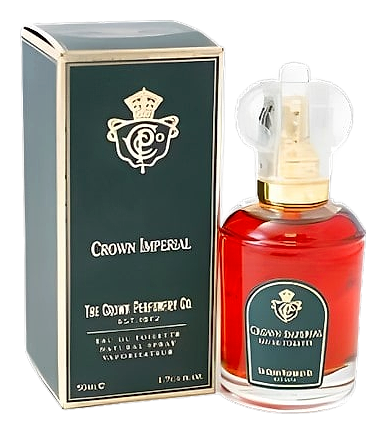
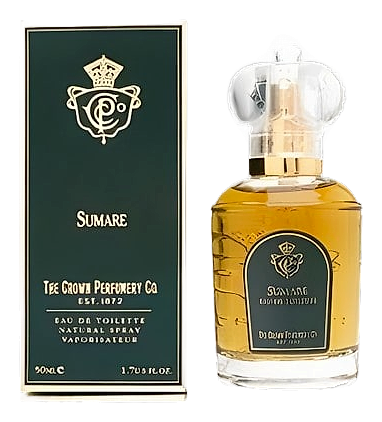
The Crown Perfumery Co.The Crown Perfumery Co. stands as one of London's oldest surviving perfume houses, tracing its lineage to 1872 when American businessman William Sparks Thompson established his fragrance company in the heart of the British capital. Today, the house operates under the Clive Christian label, which acquired the historic brand in 1999, preserving over a century of British perfumery heritage. The company specialized in perfumes, soaps, and toilet preparations, with its fragrances carrying distinctly British names and themes, from royal addresses like Buckingham to evocative locations such as Malabar and Sumare. The house produced notable creations spanning the late Victorian era through the 1980s, with fragrances like Crown Imperial and Tanglewood Bouquet representing different chapters of British olfactory taste.
The Creator
William ThomsonThomson favors a structured approach rooted in classic French techniques. He begins with a solid base of oakmoss, ambergris, and sandalwood, then layers citrus top notes such as bergamot and lemon to create lift.