
The Story
Why it exists.
The beginning
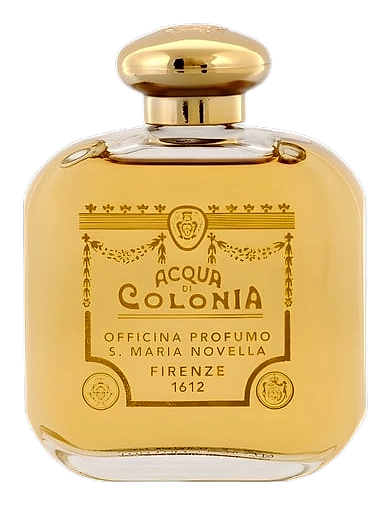
In 1828, Santa Maria Novella created Potpourri as an aromatic cologne meant to capture the same herbal-fresh quality as their sachets and potpourri bowls. It was a fragrance that smelled like the workshop itself: herbs drying on shelves, citrus peel, resins in jars. Not a perfume in the modern sense. A functional aromatic, elevated. The blend opens with sharp citrus and green botanical notes, bay leaf, rosemary, and thyme creating an immediate herbal impression. Underneath, warm resins and subtle balsamic elements emerge, giving the scent depth that lingers close to the skin rather than projecting outward. It's designed to scent a space as much as a person, and the herbal character dominates throughout, never fully yielding to sweetness or synthetic modernity.
What makes Potpourri unusual is its camphor note, that cool, almost mentholated sharpness that opens and doesn't apologize for it. The fragrance keeps that edge rather than softening it. Bay leaf, rosemary, thyme, clove, lavender, these aren't decorative top notes. They're the point. The herbs lead, the resins follow, and nothing smells like it was synthesized in a lab. As the fragrance develops, the camphor softens into the background while the herbaceous notes deepen, revealing more complexity with each passing hour.
The evolution
The opening hits with laurels, bergamot, and bitter orange arriving together in a sharp, green burst. Think clean herbs, citrus, a certain crispness. Within minutes the herbs take over: rosemary and thyme dominate, with clove and lavender underneath. The camphor softens but doesn't disappear, lingering as a cool counterpoint to the warmer spice notes. The drydown is where it gets interesting: Peru balsam brings a sweet-balsamic warmth, cedarwood grounds it, patchouli adds earth. The fragrance develops slowly on the skin, with each layer revealing itself in sequence. There's a persistent herbal quality throughout, but as time passes, the balsamic and woody base notes come forward, creating a warm, intimate trail that stays close to the wearer. Wears best in cooler weather, morning or afternoon. Less suited to hot summer nights.
Cultural impact
Potpourri exists outside the modern fragrance conversation. It's herbal and camphor-forward in a way that defies easy categorization. The fragrance has an old-world character, something that feels deeply rooted in Italian apothecary tradition without being tied to any specific era. There's a quiet confidence in how it presents itself, no loud projection, no trendy accords. It simply smells like what it is: a carefully composed botanical blend that prioritizes character over crowd-pleasing. The people who find it tend to appreciate things that carry a sense of history and craftsmanship.