The Story
Why it exists.
The beginning
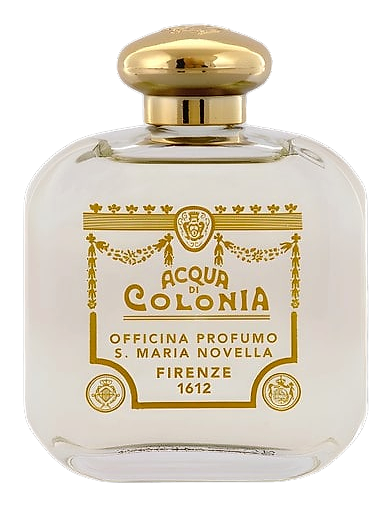
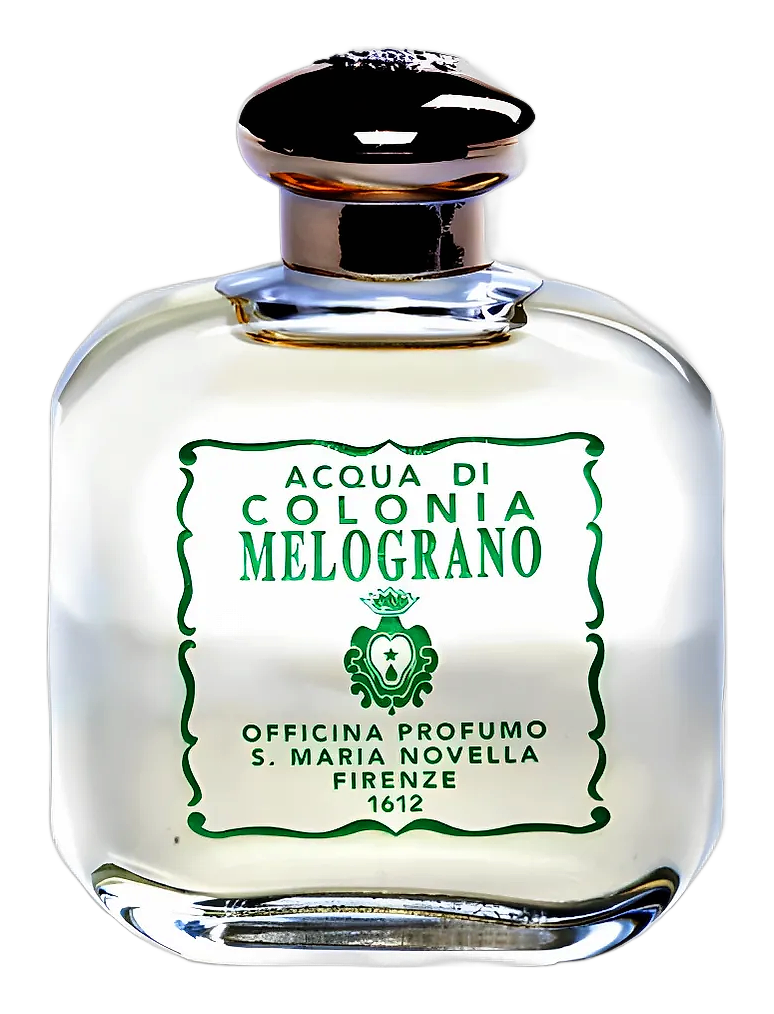
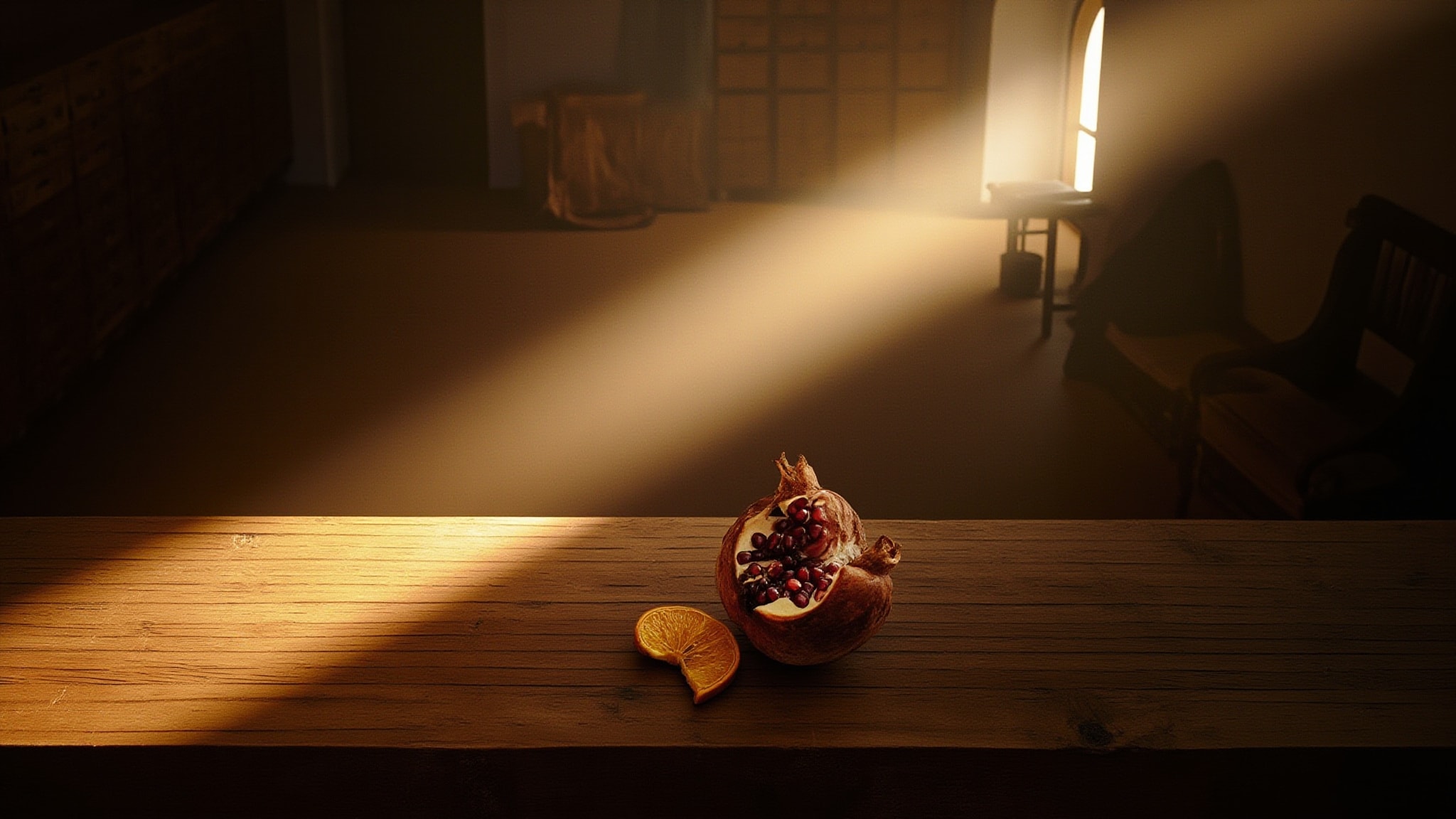
Santa Maria Novella opened its doors in 1221, when Dominican friars in Florence first established a monastic infirmary. What began as a pharmacy for the poor evolved into a supplier for Medici courts and European aristocracy. The pharmacy still occupies its original location, and its formulas still reference medieval workshop logs. Melograno arrived in 1965, not as a trend response, but as the culmination of years spent considering the pomegranate's unusual position in Florentine apothecary tradition. The fruit's bitter seeds, its garnet rind, its ability to bridge sweet and sour on the tongue had long fascinated the friars who formulated here.
At Santa Maria Novella, every note carries apothecary intention. Bergamot soothes, Pomegranate nourishes, Oakmoss grounds. The cologne concentration ensures the fragrance wears close to the skin, intimate rather than announced. Ylang-Ylang and Rose partner because their sweetness balances the pomegranate's tartness without canceling it. The drydown emphasizes longevity over projection, following the monastic preference for subtle, lasting presence over dramatic entrance.
The evolution
Melograno begins with Bergamot and Bitter Orange, twin citruses that evoke the brightness of Tuscan mornings. Spicy Notes add an immediate complexity, a faint heat that prevents the opening from feeling lightweight. As citrus fades over the first hour, Ylang-Ylang takes command of the heart, its creamy floral character softened by Rose's delicate presence. Pomegranate emerges in the heart phase, not as a dominant fruit note, but as a subtle tartness that keeps the florals honest. The drydown shifts the composition into darker territory. Oakmoss dominates, bringing forest-floor earthiness that recalls the original monastic garden. Musk and Labdanum add warmth and resinous depth, while Patchouli provides a woody, contemplative finish that lingers for hours.
Cultural impact
Melograno occupies a specific place: the vintage chypre lover's secret. It doesn't announce itself. It doesn't trend. The 1965 launch date places it squarely in the classical era of Italian perfumery. For those who know it, the appeal is specific: there's a structure here that newer compositions often lack, a patience in the way the notes unfold. It doesn't try to compete with what's fashionable. Instead it offers something else, a reminder of what Italian craftsmanship could look like when it wasn't chasing the next trend. The formula doesn't need to prove anything. It's simply doing what it was designed to do, which is to last.