The Story
Why it exists.
The beginning
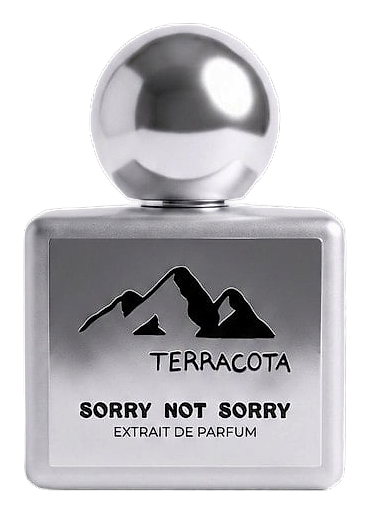
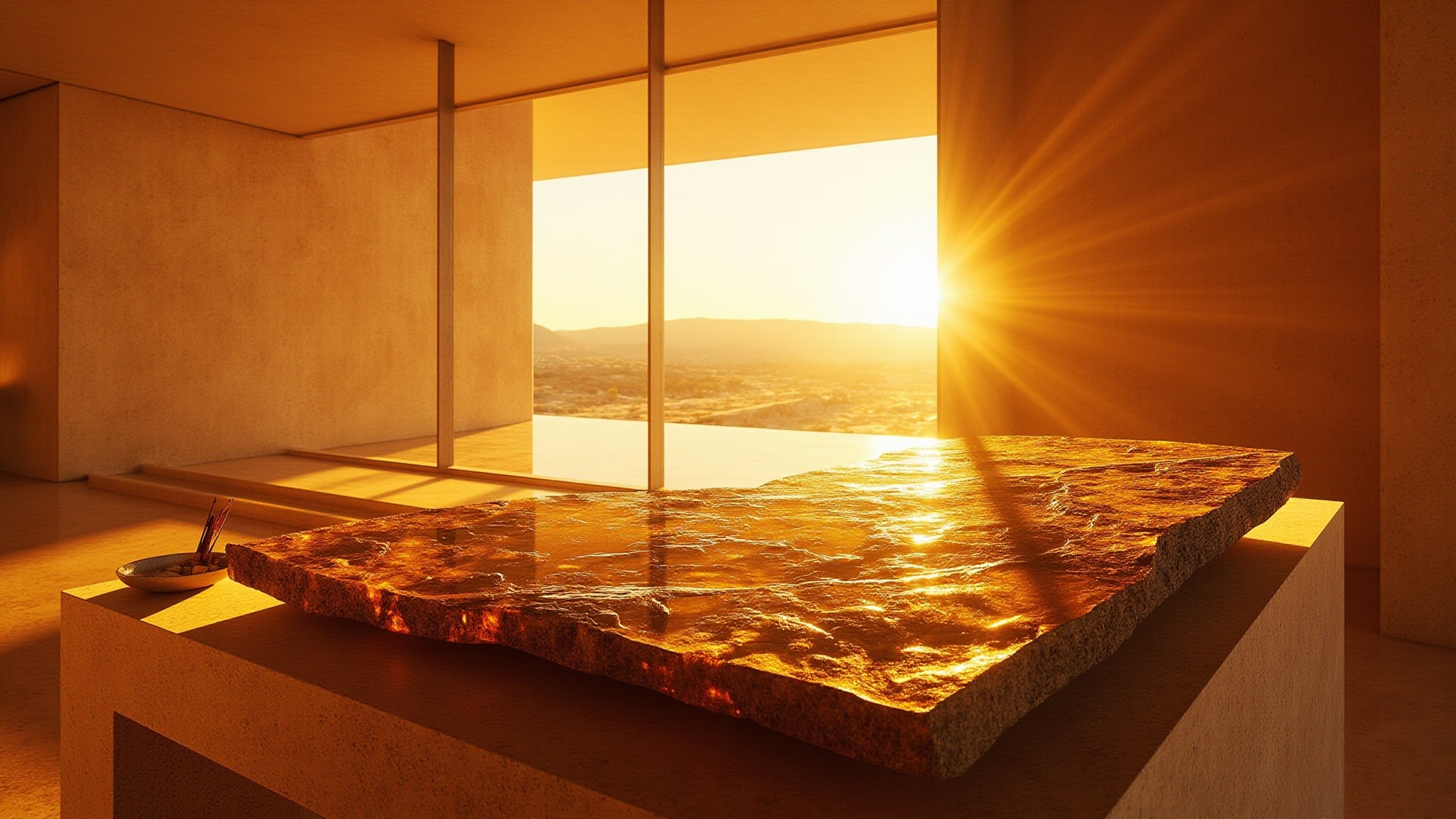
Terracota was born from a single granite wall nearly 1,000 meters tall. El Capitan in Yosemite has drawn climbers for generations, a vertical cathedral of stone that turns sunlight into something almost liquid by late afternoon. Perfumer Pedro Kimo built this composition around that specific feeling, the glorious golden moment when scale and light and raw matter collide. Launched in 2026, Terracota captures the magma that forged granite millions of years ago and translates it into something wearable. The juice opens with a burst of warmth, sun-baked and slightly resinous, before settling into a dry, mineral heart where the stone itself feels almost touchable.
The unusual move here is placing maple syrup and white chocolate inside what reads as a serious oriental woody. Most compositions in this genre lean dark, heavy on oud and frankincense without sweetness to cut them. Terracota does the opposite. The maple syrup opens like sunlight catching the cliff face, and the white chocolate gives the amber and patchouli a creamy warmth that prevents the base from going austere. Sage and thyme add a dried-herb austerity to the heart, keeping the sweetness from drifting gourmand.
The evolution
The first ten minutes belong to bergamot and maple, and they're louder than you might expect. Bergamot cuts through with a bright citrus snap, while maple syrup arrives warm and almost edible, reading like golden syrup poured over something grilled. This opening phase is surprisingly generous, the white chocolate already flickering underneath before the heart officially begins. Around the thirty-minute mark, frankincense and thyme take over. The frankincense arrives with that cool, churchy resin quality, but the thyme and sage stop it from getting solemn. This is where the composition earns its monument metaphor, aromatic and mineral at once. The jasmine stays subtle throughout, more about lifting the vanilla than announcing itself. The drydown settles into amber, patchouli, tonka bean, and oud over the next few hours. The oud is restrained here, more about depth than barnyard. Patchouli grounds everything while tonka bean adds a sweet balsamic hum. What lingers past hour six is amber and oak, a warm woody resin that reads like sun-warmed bark.
Cultural impact
The maple-and-white-chocolate sweetness puts off purists who expect seriousness from a woody oriental, and draws in anyone tired of compositions that play it safe. It sits in the conversation alongside other contemporary niche releases that blur the line between gourmand and resinous, but the El Capitan inspiration keeps it grounded in something architectural rather than purely edible. Terracota occupies a curious space where dessert-like accords meet the gravitas of traditional oriental construction, and that tension is precisely what gives it its distinct identity.
The House
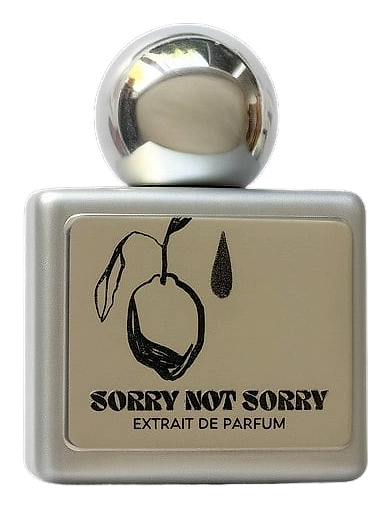
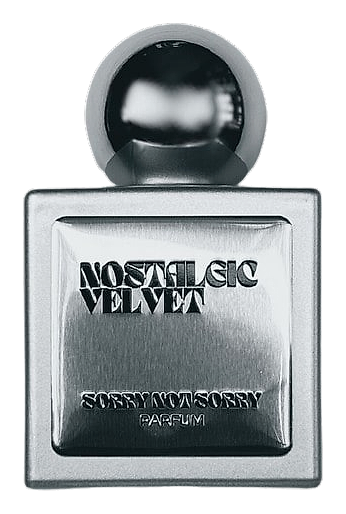
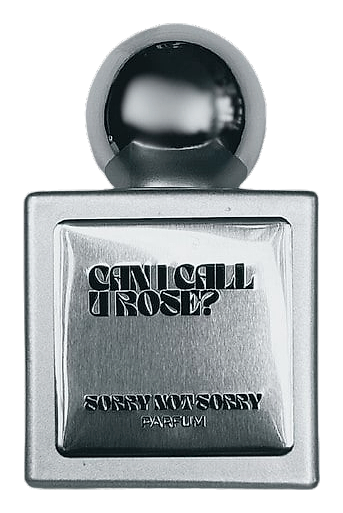
Sorry Not SorrySorry Not Sorry is an independent niche fragrance house founded in Brazil, operating as a bold newcomer in the global perfume market. The brand has built a collection of six fragrances, all released in 2025: Wabi, Nostalgic Velvet, Wonderblu, Sumo, Can I Call U Rose?, and Sépia. The house takes its name from a stance of unapologetic confidence, suggesting fragrances designed for those who reject convention. Based in Brazil, the brand draws from the country's diverse aromatic traditions while positioning itself within the contemporary independent perfume conversation. The collection spans varied olfactive territories, from rose-centered compositions to other scent families, indicating a house willing to explore rather than confine itself to a single aesthetic. As a new entrant, Sorry Not Sorry operates outside the traditional heritage house model, building its identity around modern sensibilities and direct communication with consumers.
The Creator
Pedro KimoThough concrete compositional details require verification, observers of Kimo's work note consistent threads in his aesthetic. His signature approach appears to favor a balance between natural and high-quality synthetics, selecting materials for their behavioral properties rat…