The Story
Why it exists.
The beginning
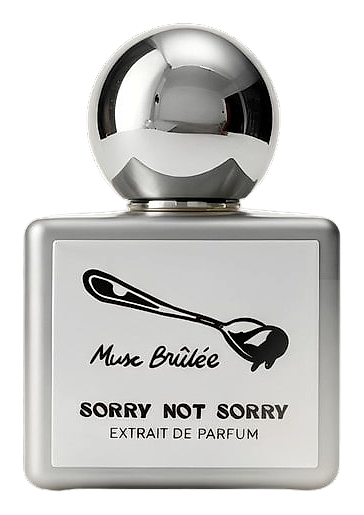
Musc Brûlée comes from the Brazilian independent house Sorry Not Sorry, with Pedro Kimo credited as the perfumer behind the composition. The fragrance takes one of the most familiar materials in perfumery, musk, and rebuilds it through the lens of caramel and cream, a disarmingly simple premise for a scent that reads like a dare on paper. The brief seems to flirt with excess. Take the softest, most approachable note in perfumery and submit it to the scorching sugar treatment of a crème brûlée. Build something warm and indulgent without tipping into cloying territory. The result leans heavily on lactonic textures, burnt-caramel aromatics, and a thread of salt that keeps the sweetness honest. A gourmand built around restraint. There's an intentional tension running through the formula.
The structure here is a study in disciplined excess. The caramel and cream opening isn't just sweetness, it's a controlled scorch, a burnt-caramel effect that gives the composition its toasted edge. Salt enters the heart not as seasoning but as tension, cutting through the Madagascar vanilla and milk accord so the composition breathes instead of suffocating under its own weight. The musk choice reads as a quiet anchor rather than a heavy, animalic base.
The evolution
The opening is all texture. Caramel arrives hot, almost burnt, with cream folding in underneath to keep it from going bitter. It's immediate, dense, and unapologetic in its sweetness, the kind of introduction that announces itself before you've left the hallway. The burnt-caramel quality is generous but controlled, never veering into acrid or smoky territory. As the first half hour passes, the composition opens up. Milk and Madagascar vanilla swell into the foreground, rounded by tonka bean's almond-warmth, while salt performs a quiet but essential job at the edges, sharpening what would otherwise collapse into syrup. Jasmine and lily of the valley surface as a cool, sudsy whisper through the sweetness, barely floral, more like the ghost of soap or clean linen drifting past a bakery counter.
Cultural impact
Musc Brûlée taps directly into the current appetite for dessert-inspired perfumery, joining a roster of gourmand compositions that have made vanillic and caramelized scents feel entirely wearable for grown-up wardrobes. By centering the formula around burnt-sugar caramel rather than relying on a straightforward vanilla platform, the scent carves out its own territory within the category rather than echoing existing benchmarks. The French spelling in the name, with its brûlée reference, carries an immediate patisserie association, the kind of cultural shorthand that conjures caramelized crusts and slow, deliberate sweetness.
The House
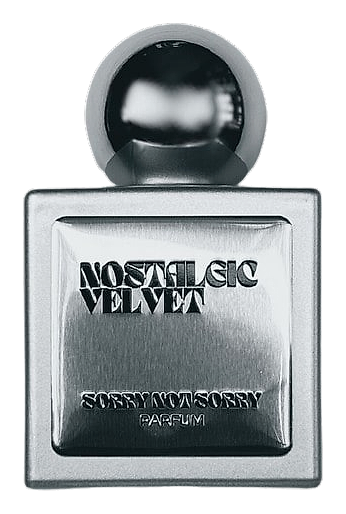
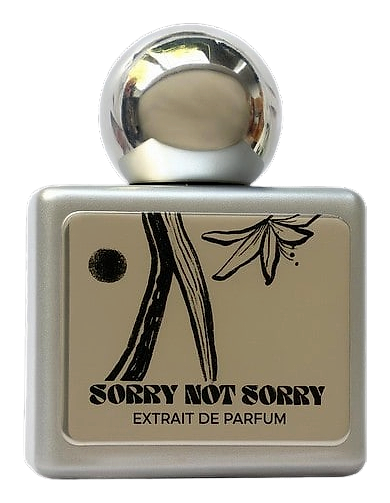
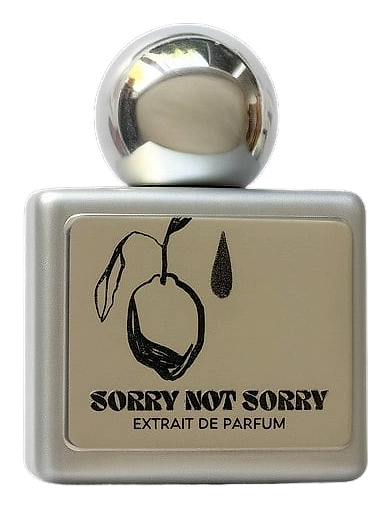
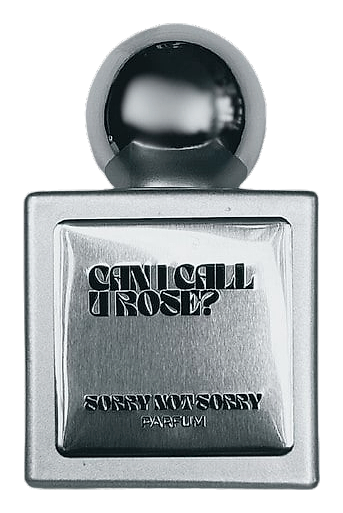
Sorry Not SorrySorry Not Sorry is an independent niche fragrance house founded in Brazil, operating as a bold newcomer in the global perfume market. The brand has built a collection of six fragrances, all released in 2025: Wabi, Nostalgic Velvet, Wonderblu, Sumo, Can I Call U Rose?, and Sépia. The house takes its name from a stance of unapologetic confidence, suggesting fragrances designed for those who reject convention. Based in Brazil, the brand draws from the country's diverse aromatic traditions while positioning itself within the contemporary independent perfume conversation. The collection spans varied olfactive territories, from rose-centered compositions to other scent families, indicating a house willing to explore rather than confine itself to a single aesthetic. As a new entrant, Sorry Not Sorry operates outside the traditional heritage house model, building its identity around modern sensibilities and direct communication with consumers.
The Creator
Pedro KimoThough concrete compositional details require verification, observers of Kimo's work note consistent threads in his aesthetic. His signature approach appears to favor a balance between natural and high-quality synthetics, selecting materials for their behavioral properties rat…