
The Story
Why it exists.
The beginning
The name is a statement. No apologies for taking up space. It's a study in contrasts, overwhelming presence, zero hesitation. Perfumer Pedro Kimo built this fragrance around tropical fruit at full volume, but with the structural discipline to back it up. The fragrance opens with an immediate burst of tropical sweetness, guava leading the charge with its distinctly bright, almost tangy character. Citron and grapefruit layer in sharp citrus that cuts through the sweetness without tempering it. What follows is a careful balance: the tropical energy doesn't retreat but transforms, cushioned by rounder fruit notes that give the composition depth and presence. The result is a scent that commands attention without apology.
What makes Sumo interesting is the tension running through its pyramid. Guava appears twice, in the top and the heart, creating a throughline of tropical sweetness that could easily tip into candy. The black pepper and carrot seed in the heart are the counterweight: they add a quiet earthiness that prevents the composition from floating away entirely. Violet leaf keeps things green. The citrus top doesn't apologize for being loud. This is a fragrance that knows what it is.
The evolution
The opening delivers guava's distinctly tropical sweetness, brightened by citron and grapefruit's sharp citrus. It's immediate and assertive. Then the heart arrives and something shifts. The guava returns, but now it's cushioned by peach, apricot, and coconut, a creamier, rounder version of the same fruit. Black pepper appears as a quiet spice, barely there but necessary. Carrot seed adds an earthy undertone that grounds the sweetness. The transition from top to heart is seamless; Sumo doesn't announce it. The drydown belongs to musk and ambrette, soft, skin-close, almost intimate. The tropical energy fades, replaced by something warmer and more personal. As the fragrance settles, the musk and ambrette become more pronounced, wrapping the earlier notes in a gentle warmth that lingers close to the skin.
Cultural impact
The Brazilian brand's approach delivers unapologetic sweetness with enough structure to hold. Sumo stands apart from expectations, offering tropical fruit that feels bold rather than background. The composition balances overwhelming presence with disciplined construction, making it a distinctive choice for those seeking something that doesn't compromise. The fragrance commits fully to its vision, refusing to soften or retreat. It's a statement piece that invites you to embrace scent without apology, to take up space just as the name suggests.
The House
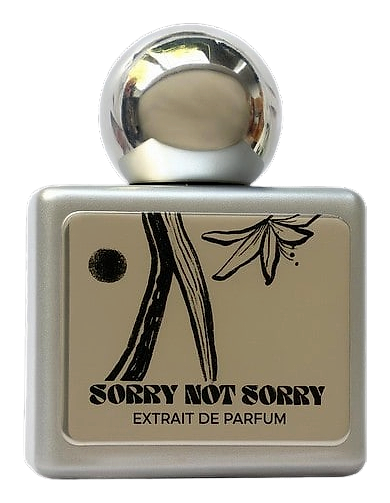
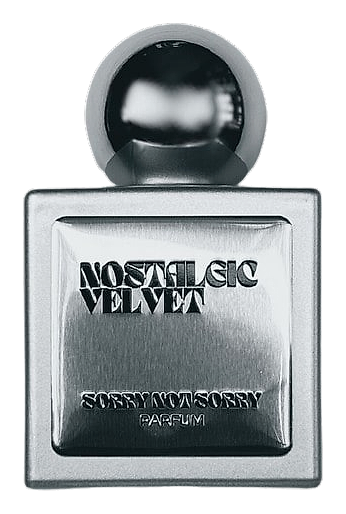
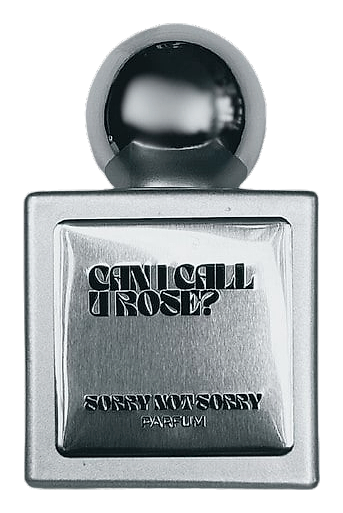
Sorry Not SorrySorry Not Sorry is an independent niche fragrance house founded in Brazil, operating as a bold newcomer in the global perfume market. The brand has built a collection of six fragrances, all released in 2025: Wabi, Nostalgic Velvet, Wonderblu, Sumo, Can I Call U Rose?, and Sépia. The house takes its name from a stance of unapologetic confidence, suggesting fragrances designed for those who reject convention. Based in Brazil, the brand draws from the country's diverse aromatic traditions while positioning itself within the contemporary independent perfume conversation. The collection spans varied olfactive territories, from rose-centered compositions to other scent families, indicating a house willing to explore rather than confine itself to a single aesthetic. As a new entrant, Sorry Not Sorry operates outside the traditional heritage house model, building its identity around modern sensibilities and direct communication with consumers.
The Creator
Pedro KimoThough concrete compositional details require verification, observers of Kimo's work note consistent threads in his aesthetic. His signature approach appears to favor a balance between natural and high-quality synthetics, selecting materials for their behavioral properties rat…