The Story
Why it exists.
The beginning
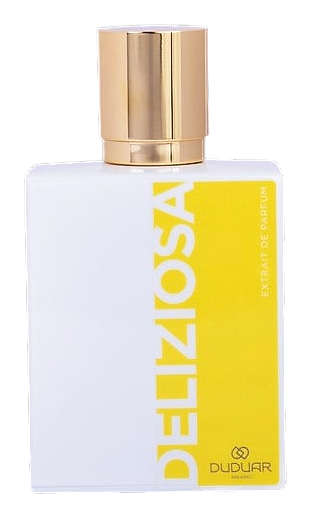
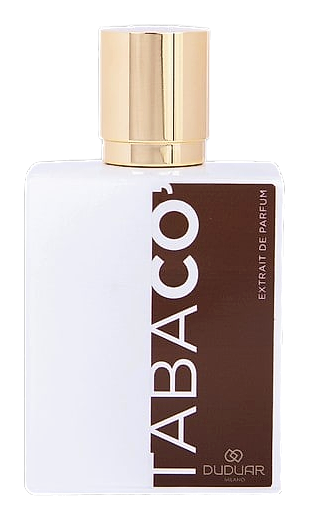
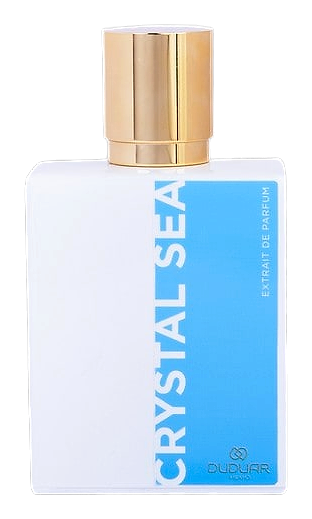
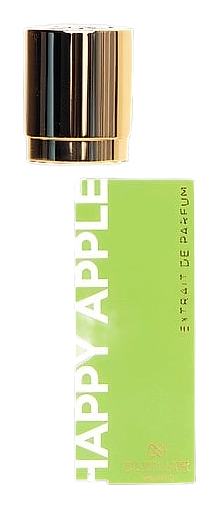
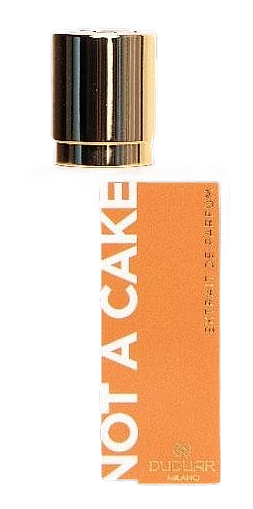
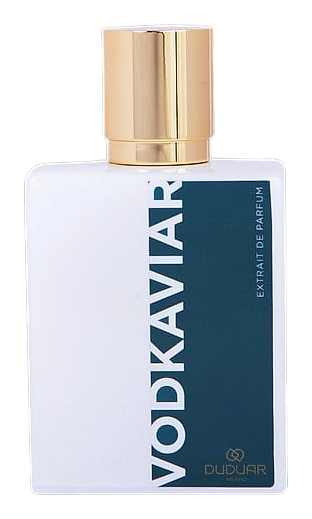
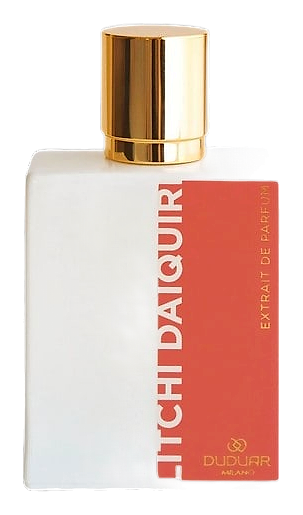
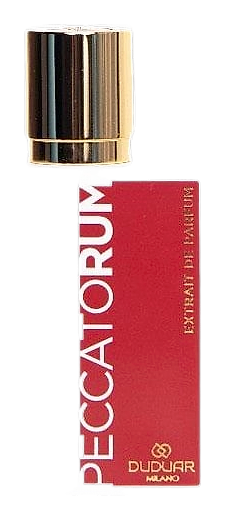
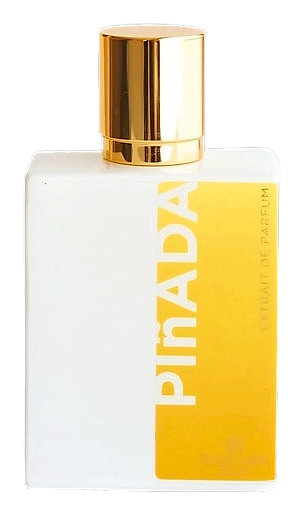
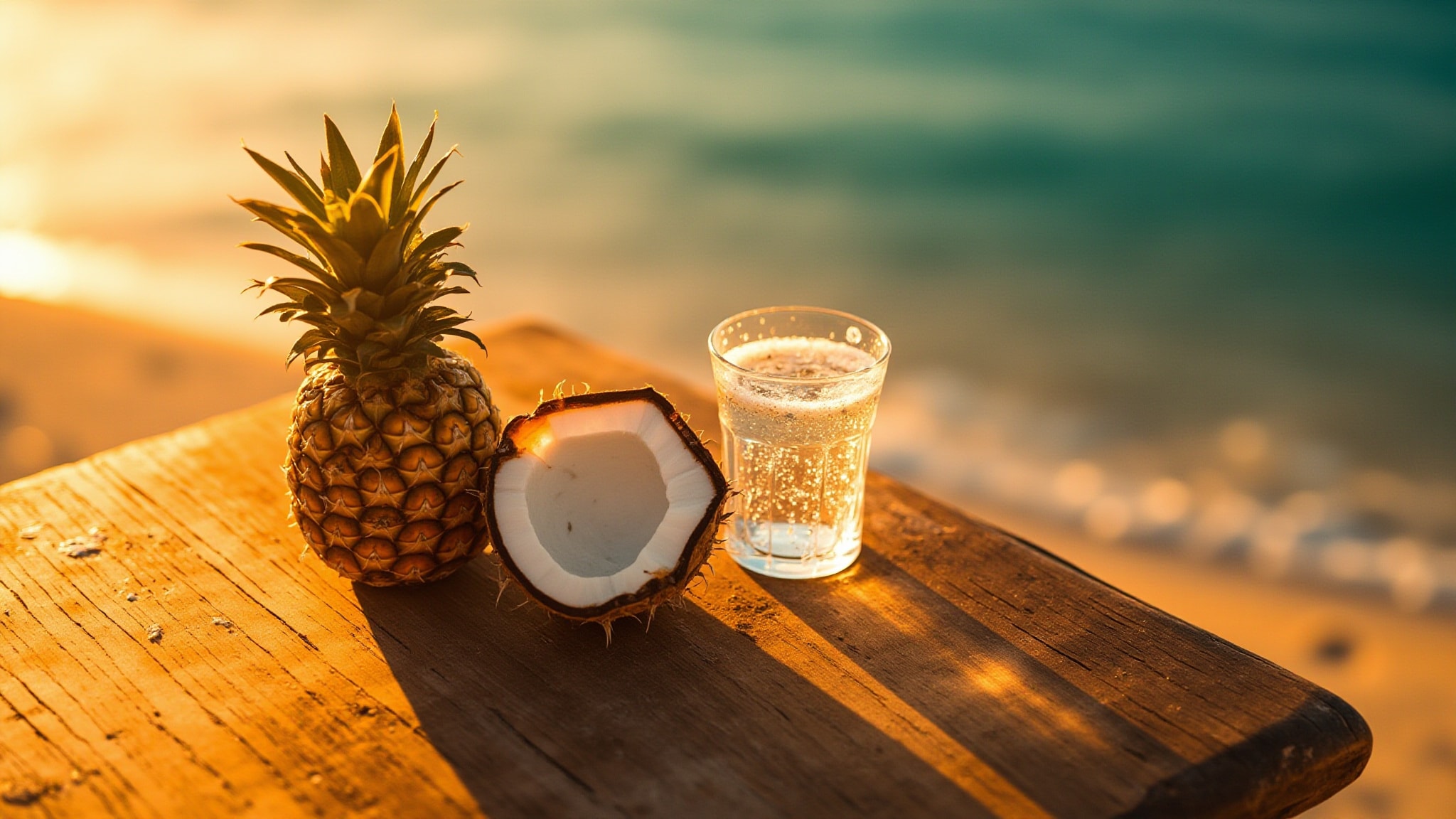
Pinada landed in 2025 from Duduar Milano, joining a lineup that reads like a bar menu: Litchi Daiquiri, Peccatorum, Happy Apple. The naming convention is intentional, Italian cocktail culture translated into scent. Sofia Bardelli built this one around a specific memory: the first sip of a piña colada on a warm afternoon, cold glass, salt rim, pineapple sweetness cutting through the heat. That moment became the brief. The brand, drawing on Milan's fashion energy and Italian craft traditions, gave Bardelli the space to execute something that feels less like a fragrance brief and more like a sensory translation of a place and a mood. Pinada is the result, a tropical fragrance that doesn't try to be anything other than exactly what it smells like.
The piña colada effect doesn't come from a single note. It comes from coconut plus pineapple working in concert, and that combination is harder to get right than it sounds. Too much coconut goes lotion. Too much pineapple goes cleaning product. The trick is the ozonic notes and salt, Bardelli uses them to recreate the condensation on a cold glass, the way humidity reads on warm skin. The citrus oils do the work of keeping the sweetness from becoming one-note, and the white florals in the heart prevent the whole thing from reading as synthetic. What you end up with is something that smells like a memory of summer, not a recreation of it.
The evolution
The top notes arrive fast, bergamot and lime cutting sharp, pineapple sweetening immediately behind. Within two minutes the piña colada note takes over and the citrus retreats to the background. The coconut doesn't just appear; it builds. By the fifteen-minute mark it's the dominant voice, warm and almost wet, sitting close to the skin. The heart phase brings jasmine and white florals to lift the coconut higher, ozonic notes keep the whole thing breathing, and a salt note emerges that reads as skin-warmth rather than marine. This is where the fragrance earns its wear. The drydown holds for three to four hours on most skin, the sweetness calming without disappearing. White flowers persist longest, amberwood adds warmth to the coconut, and oakmoss grounds everything with an earthy depth that keeps the sweetness from becoming cloying. What remains after six hours is a warm, faintly sweet skin-scent, nothing loud, nothing shouting. Just the memory of the day wearing well into the evening.
Cultural impact
Pinada arrived in 2025 as part of a wave of tropical and cocktail-inspired releases that have been building since the early 2020s. The piña colada fragrance category has existed for decades, but what's changed is the execution, modern perfumery gives these compositions the depth and nuance that older versions lacked. This one works best in warmer months, though the citrus keeps it viable in milder climates year-round. Duduar Milano's approach positions it as an accessible entry into Italian craft, less niche posturing, more immediate pleasure.