The Story
Why it exists.
The beginning
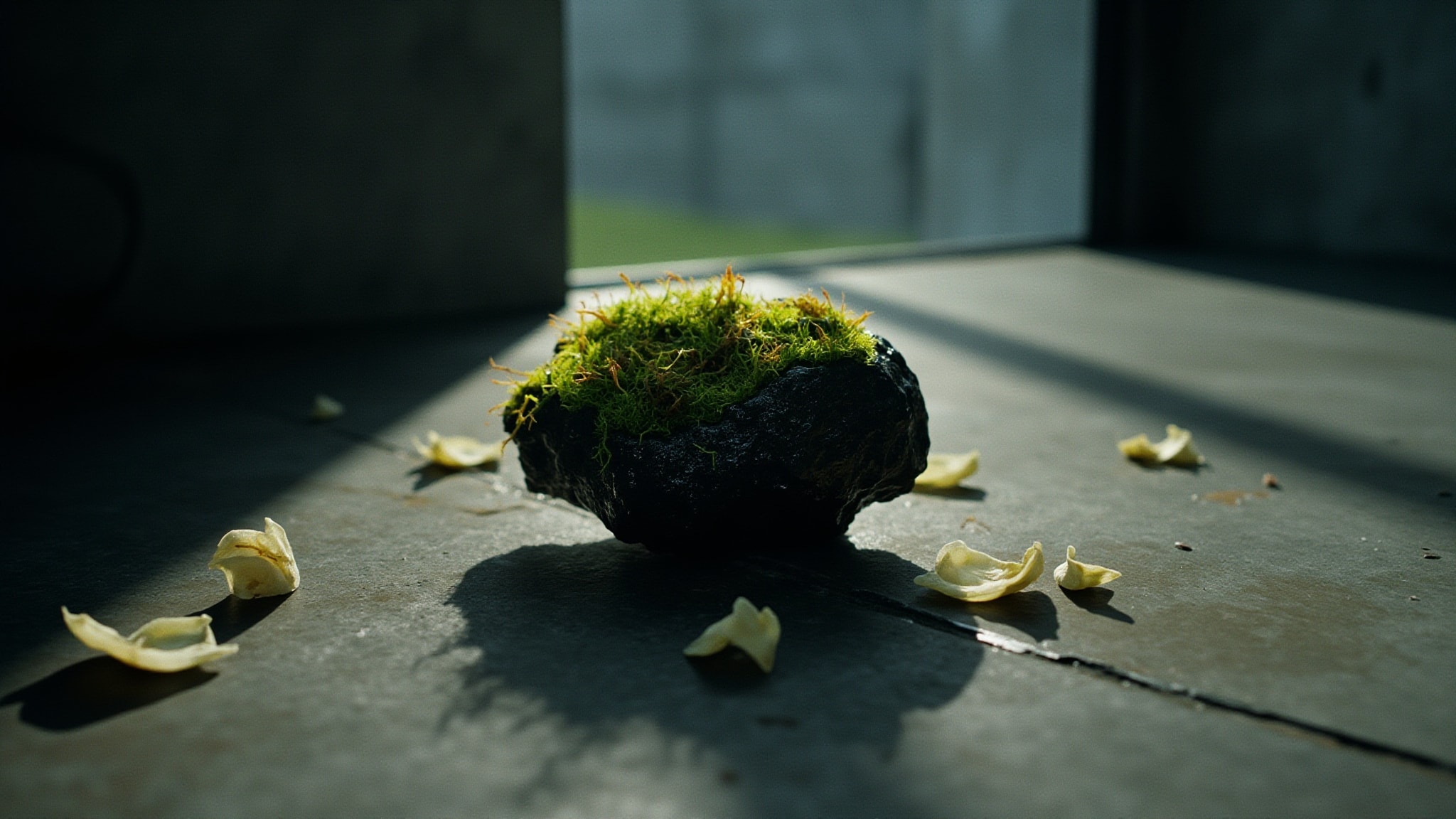
Wasan takes its name from the Thai rainy season, and the scent is a love letter to its arrival. The brief from Nutt Wesshasartar was deceptively simple: capture that first downpour hitting ground that hasn't seen water in almost a year. What that means, practically, is translating the smell of rain-soaked earth into a bottle, a humid, mineral sweetness that's part petrichor, part something older and more vegetal. Wasan reads as green before it reads as floral, smoky before it reads as sweet. There's a reason the inspiration quote mentions Khao Pansa, the Buddhist tradition where monks remain in the temple for three months of monsoon. The fragrance is less about rain itself and more about the stillness of a temple courtyard, the carved candles, the air thick with incense and wet earth.
What's distinctive about Wasan is the botanical specificity. Strobilanthes Callosus appears in the composition, a choice that signals something particular about the house's approach to sourcing and storytelling. The olive and pandanus combination adds an unexpected savory edge at first, something almost like a broth, before the white florals emerge. Borneol opens the composition with a camphoraceous coolness, a brightness that lifts the whole accord and prevents the green from collapsing into something flat.
The evolution
The first ten minutes are the most assertive. Borneol and strobilanthes come through cool and green-edged, almost bracing, with pandanus lending a faintly nutty, breadlike warmth underneath. The olive note provides a wet, green lift that bridges into the floral heart, carrying a briny, almost marine quality that some find surprising in a composition this earthbound. As the camphoraceous edge softens, the white floral arrangement takes over. White rose, magnolia, lily, mimosa, jasmine, it's a full bouquet but not an overwhelming one, sitting on the greener side of white floral rather than the indolic. This is the part that lasts longest, a generous stretch where the florals hold court without ever tipping into the dense or the cloying, before the base starts to assert itself. The drydown is where things get interesting.
Cultural impact
Wasan occupies an unusual position even within the niche landscape, a fragrance that is floral enough to be approachable while remaining green and earthy enough to feel genuinely distinctive. It doesn't announce itself with loud projection or aggressive sillage, and it doesn't rely on the usual crowd-pleasing combinations to win attention. Instead, it rewards attention, the kind of scent that reveals new facets the longer you sit with it. Within SIAM 1928's own catalog, Wasan stands out for its atmospheric depth, the way it manages to evoke a season and a specific cultural practice rather than a generic mood.