The Story
Why it exists.
The beginning
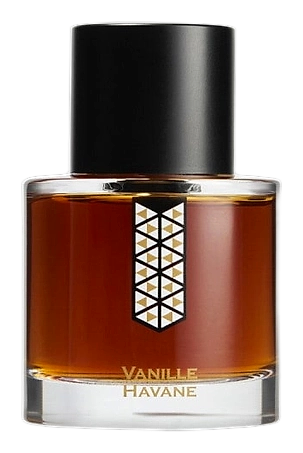
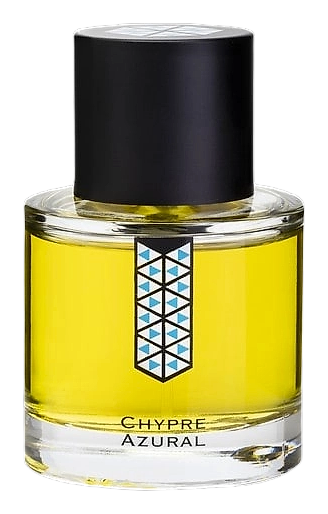
Florence Fouillet created Chypre Azural in 2016 as an exercise in restraint. Les Indémodables had already built a reputation for materials-led perfumery, vanilla from Madagascar, oud from Indonesia, but here the brief was different. A chypre without the drama. Citrus that could stand on its own without becoming a caricature of freshness. The name itself carries the tension: Chypre, that classic family built on bergamot, rose, and patchouli, reinterpreted through Azural, the azure, the sky, the Mediterranean light that turns everything it touches into something clean and deep at once. Fouillet worked with the house's sourcing network to find the right orange: not a synthetic accord but something with weight, with the bitter peel and the sweet flesh existing simultaneously. That specificity, in a fragrance that sounds simple, is the whole point.
The combination of Sicilian orange with Indonesian patchouli leaf is where most fragrances stumble. Orange wants to go bright, synthetic, fleeting, patchouli wants to go earthy, dark, heavy. What makes Chypre Azural work is the tarragon, which arrives in the opening minutes and does something unexpected: it cools the orange down, adds a green herbal bite that prevents the composition from ever going sweet or linear. The Egyptian Rosa centifolia absolute doesn't announce itself, it surfaces slowly, around the second hour, giving the citrus something to hold onto as the orange begins to recede.
The evolution
The opening arrives fast, Sicilian orange with that clean, almost aggressive brightness, like someone cutting into fruit at a market stall. The tarragon follows within minutes, adding a green herbal layer that keeps the citrus from going flat or sweet. The first hour reads as a single, cohesive impression: orange, herbs, and a cool mineral undertone. Then, around the second hour, the Egyptian rose absolute surfaces, not as a soliflore but as a softening agent, blending the citrus and the green into something warmer. The amber builds quietly. The Indonesian patchouli leaf makes itself known as a grounding force, its earthiness appearing as the orange recedes. By the fourth hour, the drydown settles into a quiet cedar and amber base, with the patchouli giving the whole thing a mineral, slightly salty finish, the ambergris doing its work without announcing itself. On most skin types, this holds for six to eight hours, the brightness fading into something intimate that lingers into the evening.
Cultural impact
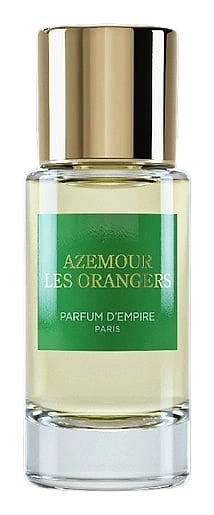
Chypre Azural has found its audience among wearers who want citrus that doesn't perform, who appreciate the orange for what it is rather than what it could become. The fragrance sits comfortably in the space between casual and considered, drawing comparisons to Azemour Les Orangers by Parfum d'Empire, though reviewers note that Chypre Azural reads as the more modern of the two. It's the kind of scent that gets described as an everyday fragrance, but that framing undersells its specificity: the tarragon and the patchouli are doing work that most orange fragrances skip entirely. The house's positioning, anti-disposable, collector-focused, fits this particular release well: it's not trying to be everything, just the right thing for the right person.