The Story
Why it exists.
The beginning
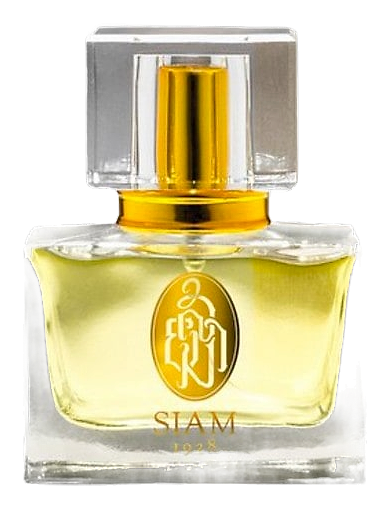
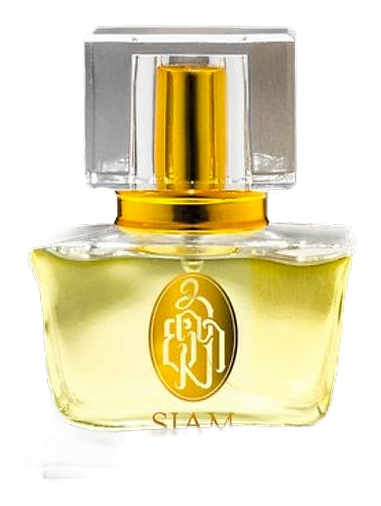
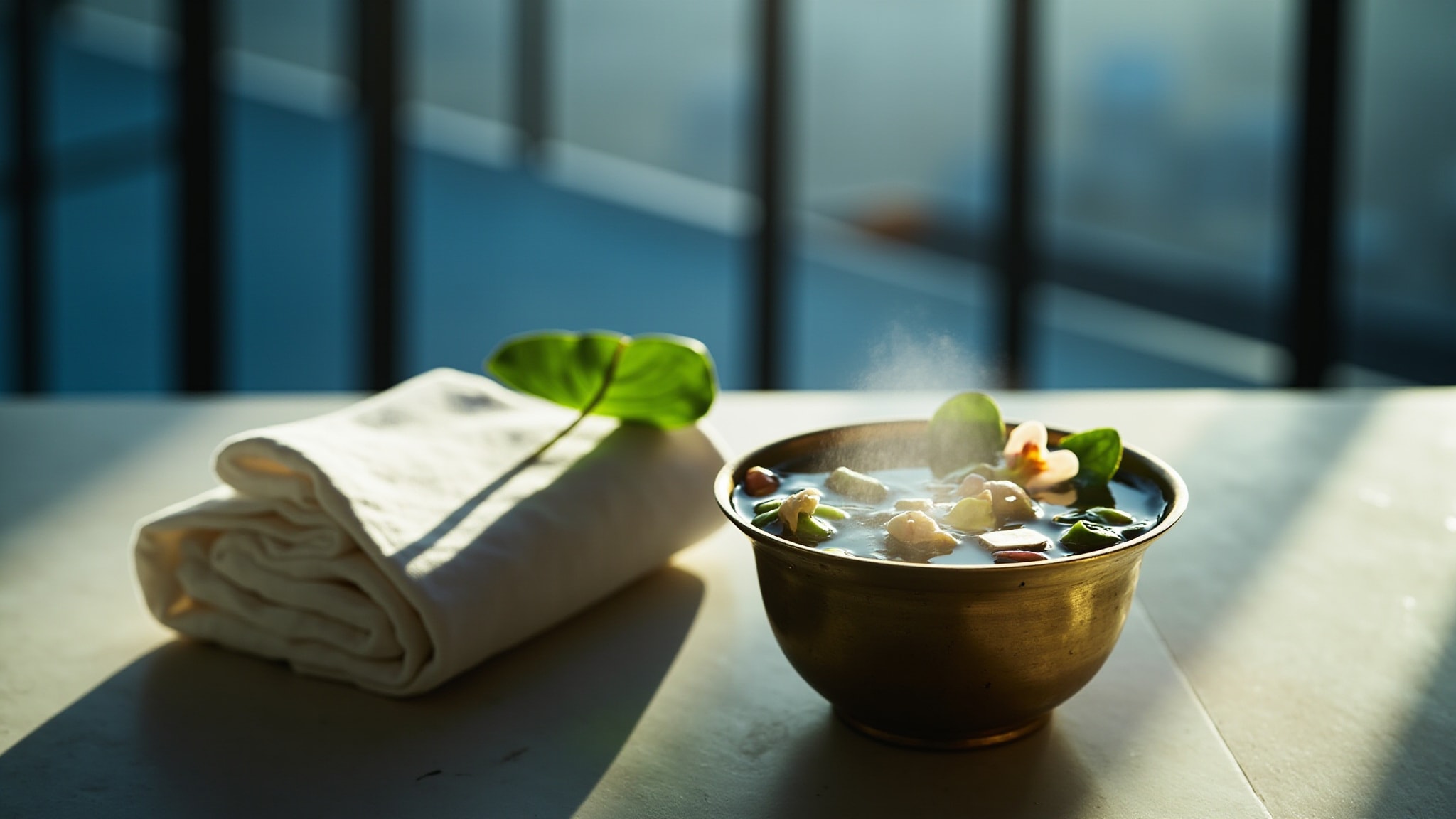
Khimhan takes its name from the Thai word for a Songkran tradition as old as the festival itself, a moment held on April 13th every year when families gather at dawn to pour scented water mixed with jasmine and rose petals over the hands of their elders. Nutt Wesshasartar, the perfumer behind SIAM 1928, built Khimhan around that specific morning light. Not the water fights that come later, not the street chaos, but the quiet hour before all of it, when everyone is still dressed properly and the air smells like flowers and camphor smoke from the temple offerings. The brand calls it a return to happy feeling. The composition agrees. There's a deliberateness in how the scent opens with that camphor brightness, a near-medicinal coolness that reads like cold air on bare skin.
What's unusual here is the choice to lead with Borneol, a camphoraceous material most Western perfumers treat as a background note or skip entirely. Wesshasartar builds the opening around it, then layers in Strobilanthes Callosus, one of the high class plants used for Thai perfume. Together with Pandanus, these notes ground the heart's jasmine, rose, hyacinth, and narcissus in a frame that draws from Thai aromatic vocabulary. The drydown uses sandalwood and musk to settle everything into skin instead of letting it float off. The Borneol isn't a fleeting accent.
The evolution
The opening is assertive. Borneol arrives bright and almost cold, the way camphor does when you crack open a fresh tin, cutting through anything else on your skin with a mentholated clarity. Strobilanthes adds a leafy, slightly metallic greenness that makes the first moments feel less like a floral and more like walking into a wet garden early in the day. Pandanus softens the camphor edge while the florals begin their slow rotation. Jasmine surfaces cool and aqueous, not heady or indolic the way it can become in heavier compositions. Rose sits underneath, adding a dewy sweetness without ever tipping into jam. Hyacinth and narcissus lend the heart a waxy, watery quality that reads almost like crushed stems held between fingers. As the composition develops, the florals ease and the base begins to assert itself.
Cultural impact
Khimhan draws directly from a Songkran tradition, the moment when families pour scented water mixed with jasmine and rose petals over the hands of their elders on April 13th. The fragrance translates that specific ritual into a composition built on Borneol, Strobilanthes Callosus, and Pandanus, ingredients drawn from Thai aromatic vocabulary and paired with jasmine, rose, hyacinth, and narcissus in the heart. The opening's camphor brightness carries an association with temple offerings and morning air, while the floral heart evokes the petals mixed into the ceremonial water.