
The Story
Why it exists.
The beginning
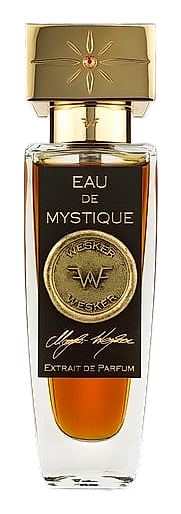
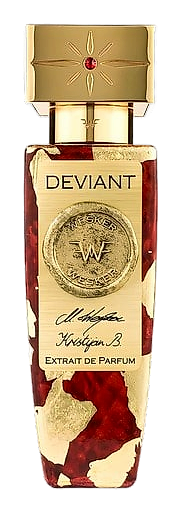
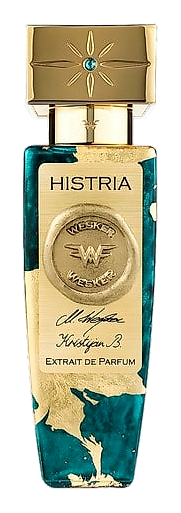
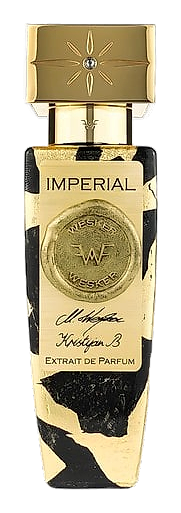
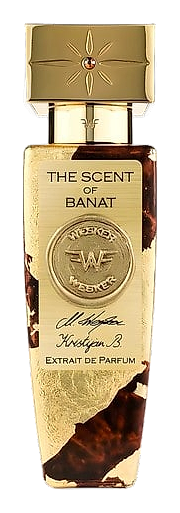
Wesker released The Scent of Banat in 2021, joining a small catalog of German artistic fragrances built on narrative rather than trend. "Banat" carries weight, whether it's a name, a place, or a sound that meant something to the creators. The brand describes its work as excavation, and this fragrance is what that looks like when the digging is done and something real is found. Not a love letter to nostalgia. A found object that still matters.
What makes this work is the tension between animalic and earthy. Castoreum, suede, oakmoss, these are materials that smell like memory, like skin, like leather that's been worn for years. Coffee and tobacco don't sweeten them. They deepen them. The result is a fragrance that feels inhabited rather than composed. Chamomile in the heart is an unexpected move, herbal softness against all that dark warmth, like a quiet moment threaded through a louder story.
The evolution
The opening hits with olibanum smoke and blackberry's tartness, patchouli dark and resinous beneath. It reads like a room where something's been burning, not acrid, but present. Within an hour, the coffee and tobacco take over. Not the coffee of morning. The coffee of late afternoon, when the cup's gone cold and nobody's cleared it away. The chamomile threads through, almost imperceptible, then suddenly noticed. The drydown is where it earns its name. Leather and suede soften. Castoreum lingers close to skin. Oakmoss keeps everything grounded. On fabric, it lasts into the next day, faintly, like a trace.
Cultural impact
The Scent of Banat has found its audience among collectors who seek leather fragrances with real character. The castoreum and leather combination sets it apart from more approachable niche releases, appealing to those who want something with weight and history. Moderate sillage keeps it personal, this isn't a fragrance that fills a room, but one that lingers close and rewards anyone who gets near.