The Story
Why it exists.
The beginning
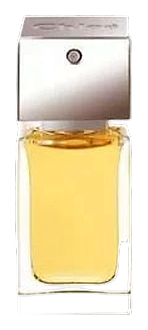
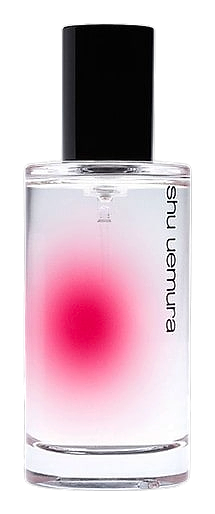
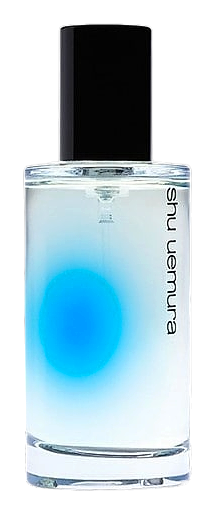
Fleur de Source arrived in 2008 from Shu Uemura, composed by Jacques Flori. The name points straight at its intention: source, as in spring, as in where the water begins. Sources describe it as a 100% natural origin fragrance with a pure, serene, and refreshing cool feeling. Flori built it around anise, lavender, and lemon, with papyrus lending an earthy edge to what might otherwise have read as purely bright. The result sits between aromatic sharpness and white-floral softness, a tension that defines how the fragrance wears from first spray to final hour. The anise is what most people notice first, that sweet-licorice bite gives the citrus a grounded quality, keeps it from feeling accidental.
Anise in the opening is a deliberate choice. Flori added aniseed for the sweet-licorice bite that makes the citrus feel intentional, not accidental. Papyrus does quieter work underneath, lending a dry, green-woody thread that keeps the brightness from collapsing into sweetness. The heart narrows to jasmine and orange blossom, both white florals but with different temperatures, one cooler, one warmer. The base closes with basil and coriander, two herbs that pull double duty: basil adds green lift, coriander adds a subtle peppered warmth that keeps the drydown from going flat.
The evolution
The first ten minutes are loud, anise and lemon competing for attention with lavender as the calm third. Papyrus sits underneath like a green thumb pressed to the paper, dry and faintly vegetal. Around the twenty-minute mark, the anise steps back and the white-floral heart steps forward: jasmine first, cool and almost metallic, followed by orange blossom which adds a warmer, almost edible sweetness. The transition into the base is gradual. Coriander arrives with a quiet peppered warmth, basil follows with its green-cool snap, and the two herbs settle into the composition over the next two to three hours. By hour four, what's left on skin is a soft herbal-floral whisper, basil still detectable, orange blossom a memory, papyrus gone but not forgotten. On fabric the next morning, the lavender lingers as a clean, almost powdery trace. The opening brightness never fully disappears, either.
Cultural impact
Fleur de Source was released in 2008 and shares the herbal-floral register with compositions like Hermès Un Jardin Sur Le Nil, but leans cooler and more aromatic. Its anise opening is the polarizing element: some find it instantly addictive, others sample it once and shelve it. For collectors of Japanese beauty houses and discontinued releases, it holds a quiet appeal as a fragrance that rewards patience past the opening. The discontinuation has made remaining bottles harder to find, which only adds to its draw for those who hunt for unusual or retired fragrances. It rewards a wearer willing to sit with the opening before passing judgment.
The House
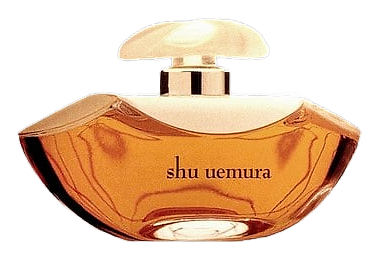
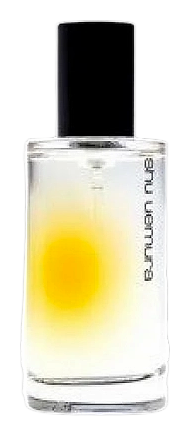
Shu UemuraShu Uemura began as a Tokyo salon that blended makeup artistry with a respect for natural beauty. Today the name appears on a line of fragrances that echo the brand’s makeup heritage, offering scents that balance floral clarity with subtle depth. The collection includes the 1989 Shu Uemura Eau de Parfum, the 2008 Fleur de Source, and the 2008 Fleur de Terre, each crafted to complement the brand’s broader beauty philosophy. On Silloria, the brand presents a curated selection that lets collectors explore its Japanese‑inspired olfactory world.
The Creator
Jacques FloriFlori built his reputation on complex incense compositions, demonstrating a particular affinity for resins, woods, and aromatic woods that carry smoke and sacred weight. His technical background expresses itself in precise layering and meticulous longevity engineering.