The Story
Why it exists.
The beginning
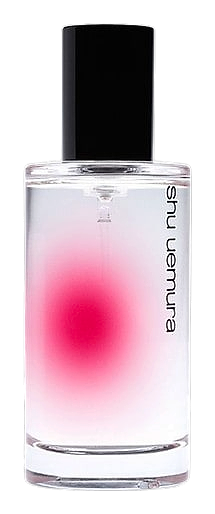
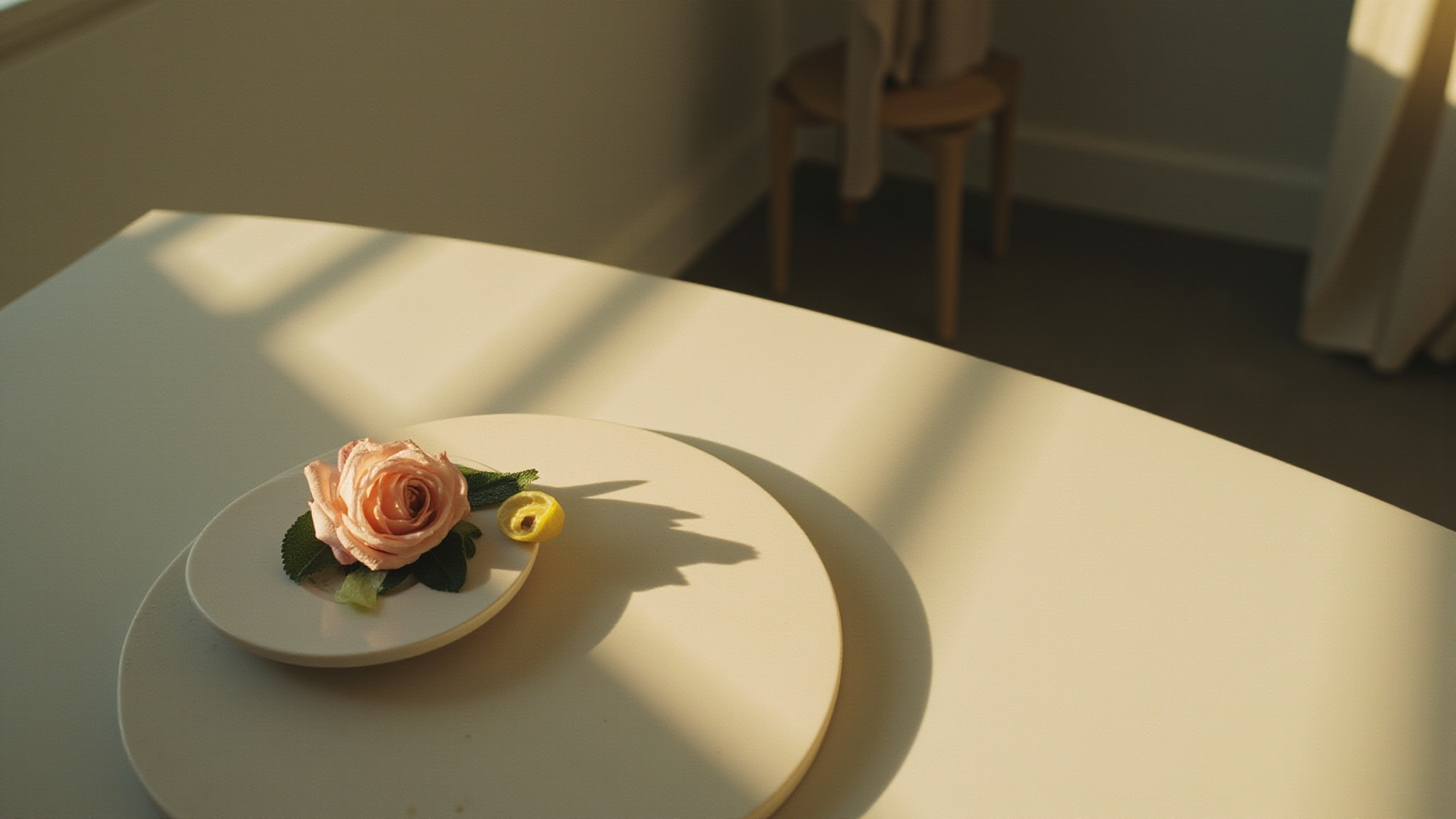
Shu Uemura released Fleur de Rose in 2008 as part of a broader feminine collection from that year, one of three pieces introduced together. The lineup drew on the brand's floral roots, the kind of clear, garden-referential compositions that connect to a long tradition of florals in fine fragrance. What came back was a composition built on Turkish rose, lifted by citrus and white florals, anchored by sandalwood and sage. The 2008 launch placed the fragrance in conversation with two companion pieces that flanked it, offering three distinct takes on a single year's floral thinking. The rose here reads like skin in soft focus, a composition that trades boldness for something quieter and more luminous. The Turkish rose takes the lead, but it never sits alone for long.
What makes Fleur de Rose worth attention is how restrained the structure stays given its floral ambition. Turkish rose anchors the heart, but the supporting notes do real work. Ylang-ylang adds the tropical warmth that sweetens the Turkish rose, pulling it toward something sunnier and less austere. Jasmine lends a soft depth, rounding out the white floral layer with its creamy, almost narcotic quality that gives the composition body without bulk. Freesia cools the blend, bringing a green-crisp note that prevents the florals from collapsing into sweetness.
The evolution
The opening of Fleur de Rose belongs almost entirely to the lemon. It cuts bright, almost sharp, like the peel of a just-cut fruit held close to the nose. Underneath, the florals are already stirring, but the citrus keeps them at arm's length for now. As the lemon softens, Turkish rose steps forward, joined by jasmine and ylang-ylang in a heart phase that feels full and rounded. The florals weave together tightly enough that no single note dominates. Freesia adds a green thread that keeps the bouquet from feeling heavy or cloying, threading through the rose like a stem running through the center of a flower. The shift into the drydown comes on slowly, the florals gradually releasing their grip as the base notes take hold. Sandalwood arrives slow and creamy, but it's the sage that defines the final stretch of wear.
Cultural impact
Fleur de Rose sits in a specific pocket of the floral world, a rose-led composition that pulls back from excess where many peers lean into bolder territory. Wearers who gravitate toward it tend to want a garden reference without the sweetness overload of mainstream rose florals. It reads as composed rather than bold, the kind of fragrance that earns its place through restraint. The Turkish rose at its heart stays legible from the first spray to the final trace on skin, but it's the supporting cast that gives the composition its particular character.