The Story
Why it exists.
The beginning
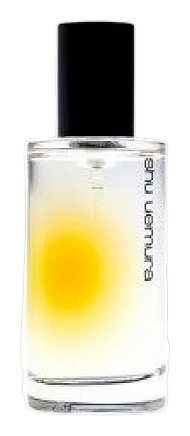
Shu Uemura, the Tokyo-based makeup artist who founded his brand in 1960, built a philosophy around the intersection of art and nature. His fragrances extend this vision, treating scent as a form of composition akin to makeup artistry. Fleur de Terre arrived in 2008 as part of the tree-inspired collection, crafted by perfumer Marc Fanton d'Andon. The name itself, Fleur de Terre, or flower of the earth, suggests a fragrance rooted in botanical materiality, drawing from both garden herbs and wood.
The note structure reflects a philosophy of contrast: aromatic herbs against citrus brightness, powdery florals against resinous woods. Star anise bridges the green opening and warm base, creating a through-line that prevents the fragrance from feeling fragmented. The mimosa-orange blossom pairing offers a distinctly French floral elegance, while sandalwood and tonka bean ground the composition in comfortable warmth.
The evolution
Fleur de Terre evolves like a garden through seasons. The opening channels spring's vitality with star anise, basil, and citrus, sharp, green, alive. As the top notes fade, the heart blooms into summer: mimosa's golden powderiness and orange blossom's delicate sweetness rise with rosemary's herbal steadiness. By late development, the fragrance moves into autumn and winter warmth, as cedarwood and sandalwood provide structure and tonka bean with vanilla offer a soft, enveloping sweetness that lingers for hours.
Cultural impact
Since its 2008 release, Fleur de Terre has become a quiet favorite among fans of aromatic‑floral blends, often mentioned alongside the brand’s other garden‑inspired scents. Its balanced citrus‑herb profile makes it a go‑to for those seeking a refined yet approachable Japanese‑style perfume, keeping the line relevant in niche circles.