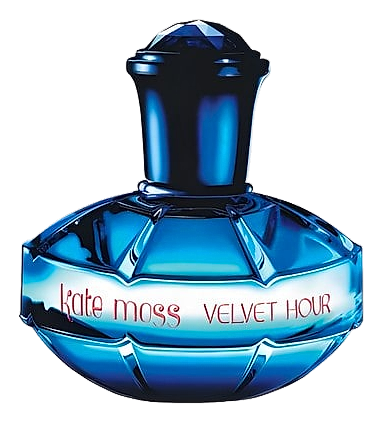

The Story
Why it exists.
The beginning
Kate Moss wanted to bottle the hour of twilight itself, that suspended moment between day and night when everything shifts. She imagined it as the scent of night, very sensual, with accentuated patchouli, sandalwood, and incense. Working with perfumer Emilie Copperman, she translated that concept into a composition that opens clean but carries something darker underneath. Other names were considered: Velvet Night, Enigma. Velvet Hour won, because it named the exact moment Moss adored most, the dusk when the world changes its mind about the light.
What makes Velvet Hour interesting is its structural honesty. The name promises something soft and temporal, but the composition delivers warmth and weight. Black pepper opens bright and sharp, that initial crackle that announces arrival. Freesia then softens the edges, introduces a cool floralcy that reads almost waxy, like something pressed between pages. The incense doesn't arrive immediately. It threads through as the top notes fade, suggesting smoke rather than performing it. This is the craft: not announcing the darkness, but letting it accumulate.
The evolution
The opening hits first, black pepper's clean bite, freesia's cool floralcy, and a thread of incense that arrives quiet and stays loud. Within minutes, the freesia recedes and the heart takes over: patchouli and nutmeg building a warm, slightly spiced middle that shifts the fragrance from bright to grounded. The drydown is where Velvet Hour earns its name. Sandalwood and amber wrap around the patchouli, creating a woody-balsamic base that stays close to skin for hours. The sillage stays moderate, this isn't a fragrance that fills a room. It's a fragrance that leaves a trace. Six to eight hours on most skin types, intimate and warm, the kind of presence you notice when someone leans in.
Cultural impact
Velvet Hour occupies a specific niche: not the safe celebrity fragrance, not the niche assertion. It's the scent someone chooses when they want something with weight but without noise. The smoke and patchouli appeal to those who want a fragrance that acts like it knows something.
The House
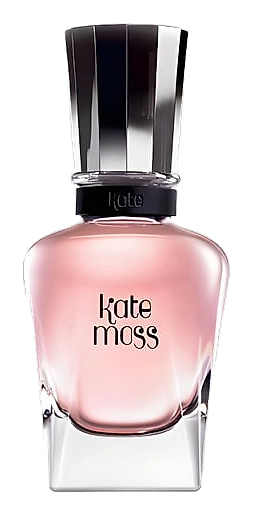
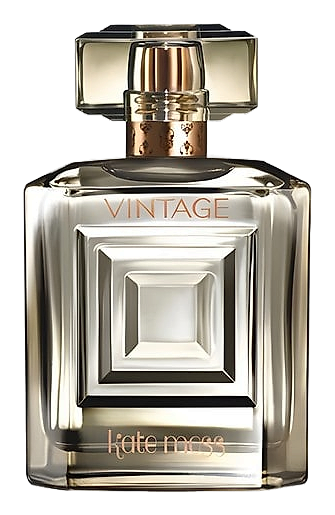
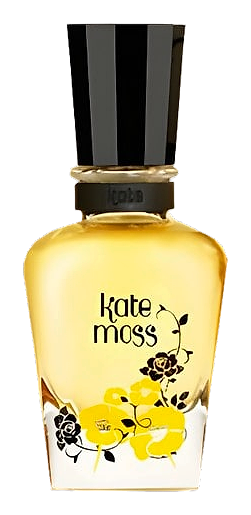
Kate MossKate Moss entered the fragrance world in 2007 with her debut scent Kate, released through Coty. The collection expanded rapidly over the following years, with releases including Velvet Hour (2008), Vintage (2009), Kate Summer Time (2009), Wild Meadow (2010), Love Blossoms (2011), Lilabelle (2011), Lilabelle Truly Adorable (2012), and Vintage Muse. Moss brought her distinctive personal style to perfumery, drawing on her reputation as a tastemaker who shaped trends from boho-chic to skinny jeans. The line occupies a middle ground in the market, offering accessible scents with a celebrity name attached. Her approach treated fragrance as an extension of her personal aesthetic rather than a pure commercial venture.
The Creator
Emilie Bevierre-CoppermannÉmilie favors crisp, structured compositions that balance bright top notes with a warm, lingering base. She often begins with a clear, aromatic opening—citrus, green tea or a sparkling berry—then anchors the piece with woods, amber or subtle musk.