The Story
Why it exists.
The beginning
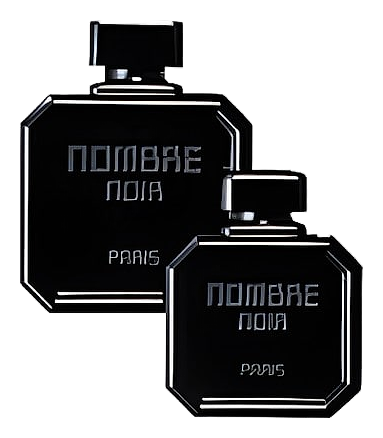
In 1982, Shiseido collaborated with Serge Lutens to create Nombre Noir, the first fragrance released under his creative direction at the house. The collaboration marked a significant moment for the Japanese house, bringing a distinctive creative vision to its perfumery lineage. The name itself, Black Number, carries a certain mystery, a discreet elegance that refuses to explain itself. The fragrance presents itself with quiet authority, its presence felt rather than announced, lingering close to the skin where only the wearer becomes truly acquainted with its character.
What makes Nombre Noir unusual is its structure: a lavish aldehydic opening that could belong to any grand French chypre, cooling rapidly into a heart where osmanthus and Damask rose interweave with unusual intimacy. The honey in the base doesn't sweeten so much as deepen, rounding the powder into something that reads as skin-warm rather than cosmetic. Vetiver and sandalwood provide the backbone, ensuring the drydown stays present for hours without ever demanding attention. It's a composition that rewards patience, unfolding differently on different wearers.
The evolution
The aldehydes hit first, cold, crystalline, shimmering. Within minutes the citrus and coriander recede, and the rose-osmanthus heart takes over, softened by honey and lily of the valley. The jasmine and ylang-ylang add a tropical creaminess that keeps the florals from reading as purely powdery. By the third hour, the honey has intensified, the vetiver has grounded everything, and the sandalwood-musk base settles close to the skin. What remains the next morning is a faint amber warmth, quiet, intimate, difficult to forget. On fabric, it lasts into a second wearing. On skin, the projection shifts from assertive to restrained as the hours pass, becoming increasingly personal and eventually resolving into a soft, persistent warmth that clings to the wearer long after the initial impression has faded.
Cultural impact
Nombre Noir has become a grail among collectors. Discontinued due to supply problems for some ingredients, it exists now only in scattered vintage bottles. For those who've worn it, the aldehydic-floral structure represents a particular kind of sophistication: cold at the opening, warm at the close, and entirely unwilling to explain itself. The fragrance occupies an unusual position in perfume history, neither purely Japanese nor French in its influences, yet drawing from both traditions.