The Story
Why it exists.
The beginning
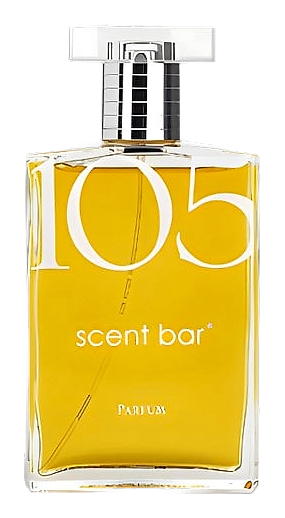
105 launched in 2011, composed by Viola Pompili for Scent Bar's numbered house line. The fragrance wears its place in the catalog plainly, no marketing poetry, no mythic naming convention, just a number that signals its position in a series. Scent Bar built its identity around hands-on blending and demystified perfumery, and 105 reads like a demonstration: a classical oriental built on familiar scaffolding, patchouli, sandalwood, vanilla, tonka, given the kind of clarity that only comes from someone who knows exactly which notes earn their keep.
There's something deliberate about putting patchouli, labdanum, vetiver, and sandalwood all in the opening. Most orientals keep their greens and woods in the base. Here they arrive first, like the perfumer wanted you to meet the gravity of the composition before any softening happens. The cedar and tonka in the heart act as the hinge, woody and sweet in equal measure, before vanilla, tolu balsam, and white musk take over the drydown. It's a structure that respects the old oriental blueprint without decorating it.
The evolution
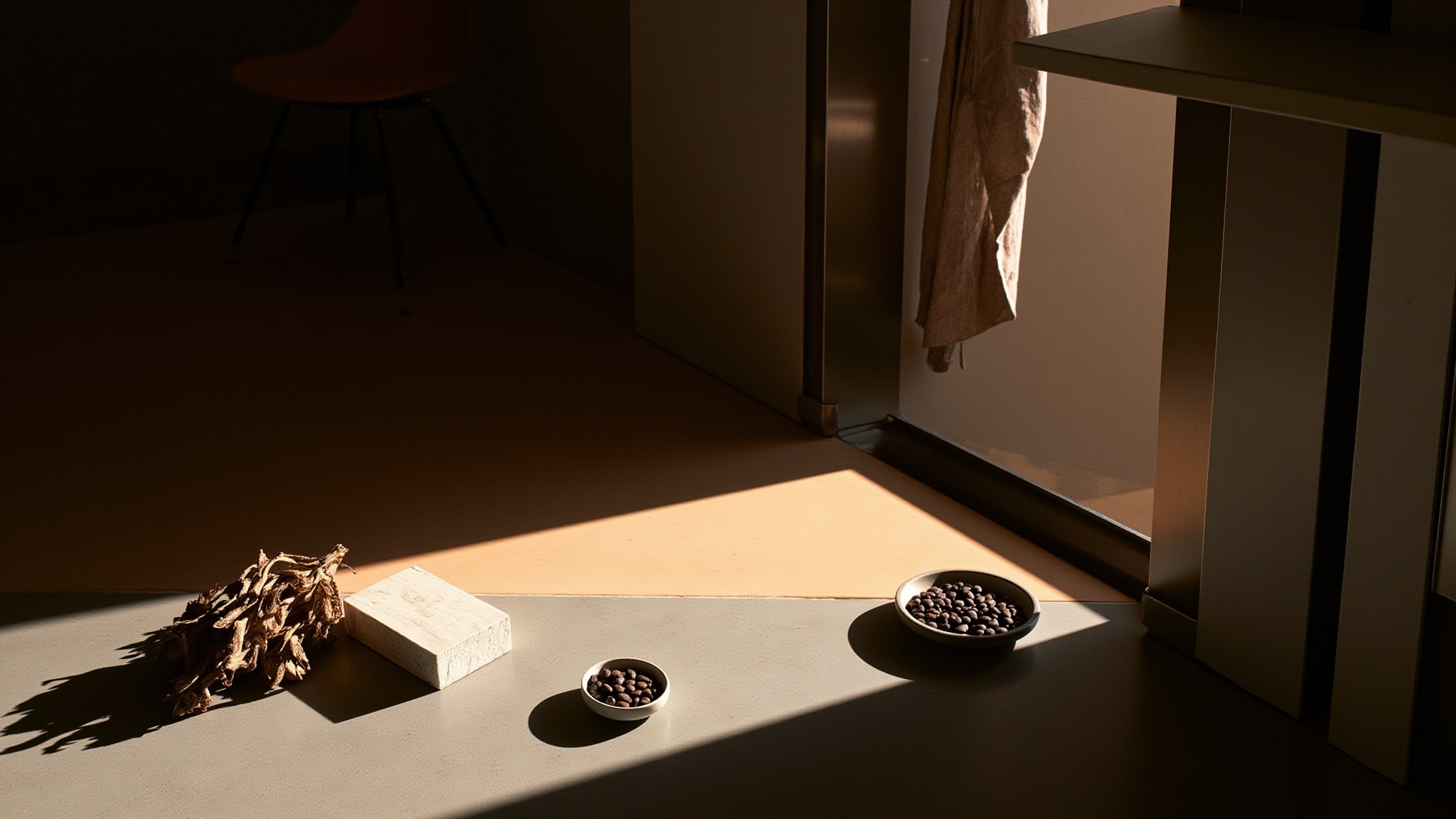
The opening is all texture. Patchouli leads, dry and earthy, with sandalwood rounding it out and a thin ribbon of bergamot cutting through to keep things from going too heavy. Labdanum sits underneath like a warm shadow, grounding the composition in something resinous and faintly ancient. Nothing sweet yet, nothing powdery, just raw material laid out on a table. There's a coolness to the first few minutes, almost mineral, before the warmer notes start to wake up beneath the surface. Then the cedar arrives in the heart, dry and architectural, giving the blend a backbone it didn't quite have in the opening. The tonka starts its slow work alongside it, introducing a creamy warmth that softens the edges without losing the structure. The patchouli doesn't disappear; it just steps back into a supporting role, letting the woods and tonka share the foreground.
Cultural impact
105 sits in an interesting place for a numbered, catalog-style release. It doesn't chase trends or reinvent the oriental category. It works because the execution is clean and the materials feel chosen, not crowded. People who find it tend to keep wearing it, and there's something quietly appealing about a fragrance that doesn't need a narrative attached to justify its existence. It performs without explanation. The composition itself is the pitch: well-structured woods, balanced resins, a warmth that reads as confident rather than loud.