Heritage
A house, in its own words
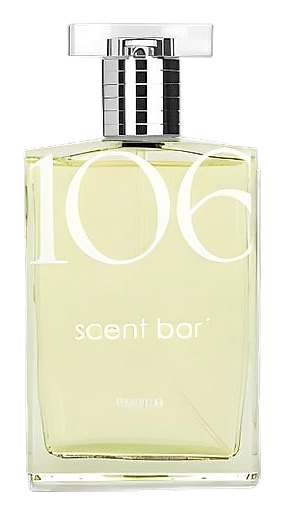
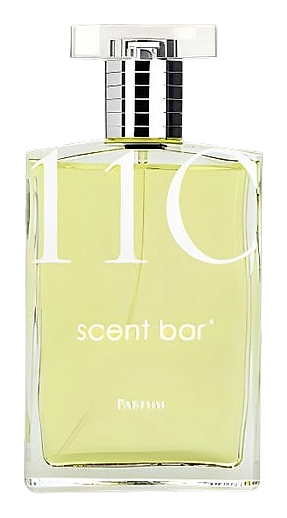
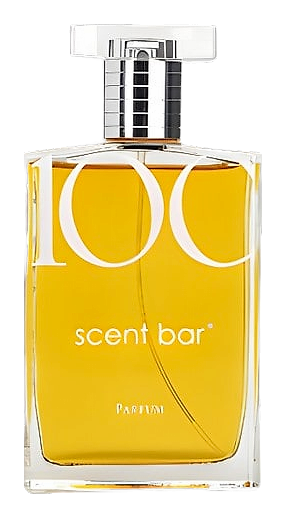
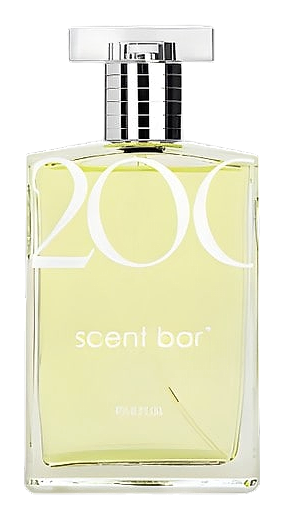
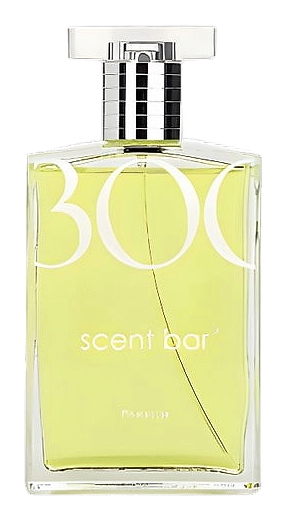
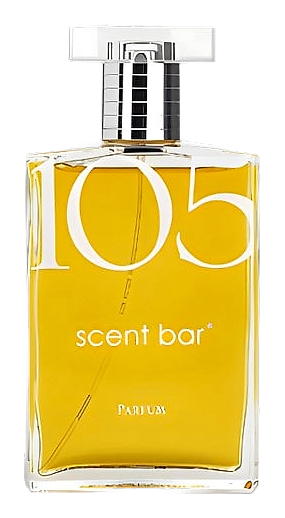
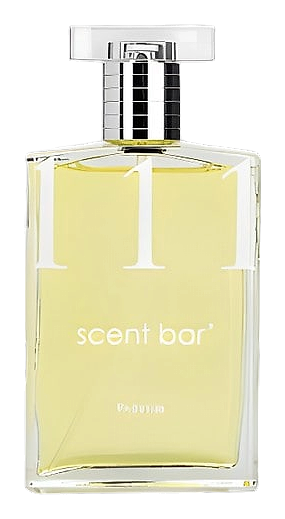
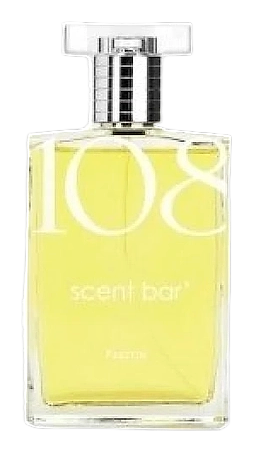
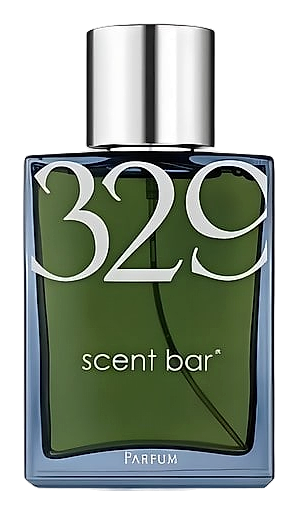
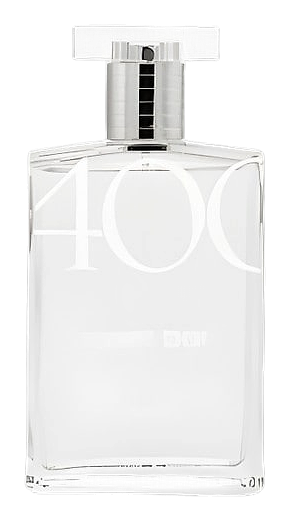
Scent Bar traces its roots to a small collective of fragrance enthusiasts who opened the first retail space on Elizabeth Street in Manhattan around 2015. Early press mentions describe the shop as a “perfume bar” where patrons could mix notes on the spot, a novelty that attracted both local creatives and tourists. In 2016 the founders introduced a weekly “scent night” that paired music, drinks, and guided blending sessions, turning the space into a cultural hub. By 2017 the brand extended its reach online, offering a digital version of the bar where users could select ingredients and receive a custom‑blended bottle shipped to their door. The following year, Scent Bar announced its first in‑house fragrance line, El Morocco Perfumery, inspired by the historic New York nightclub of the same name. This line marked a shift from pure customization toward a curated portfolio that still honored the brand’s experimental ethos. In 2020 the company launched a series of pop‑up events in cities such as Los Angeles and London, each featuring local scent artisans and limited‑edition blends. The pandemic prompted a temporary pause on in‑store sessions, but Scent Bar responded with virtual workshops that kept the community engaged. As of 2023 the brand operates two permanent locations, continues to sell custom blends online, and maintains a calendar of seasonal workshops that explore themes ranging from botanical extracts to urban street scents. Throughout its evolution, Scent Bar has remained anchored to the idea that fragrance can be a personal, collaborative, and ever‑changing experience. The team behind Scent Bar believes that scent should be as personal as a fingerprint. Their creative vision centers on demystifying perfumery, inviting anyone to become a scent‑maker rather than a passive consumer. They emphasize transparency, encouraging participants to learn the role of each ingredient—citrus top notes, woody bases, aromatic hearts—while experimenting with ratios. The brand values inclusivity, offering a range of raw materials that span classic florals, niche accords, and unconventional elements like smoked wood or seaweed extract. Sustainability also informs their approach; they source many ingredients from suppliers who practice responsible harvesting and support small‑scale farmers. Community engagement drives their programming: workshops often feature guest speakers from related creative fields, and the brand regularly collaborates with local artists to design limited‑edition packaging. By framing fragrance creation as a shared learning experience, Scent Bar aims to shift the perception of perfume from luxury commodity to everyday expressive tool.