The Story
Why it exists.
The beginning
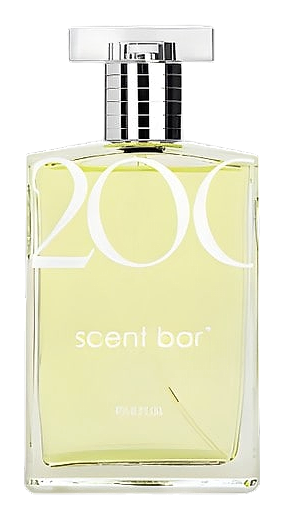
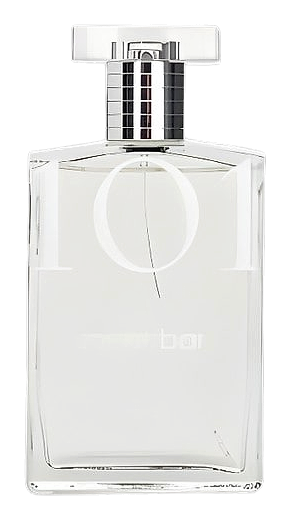
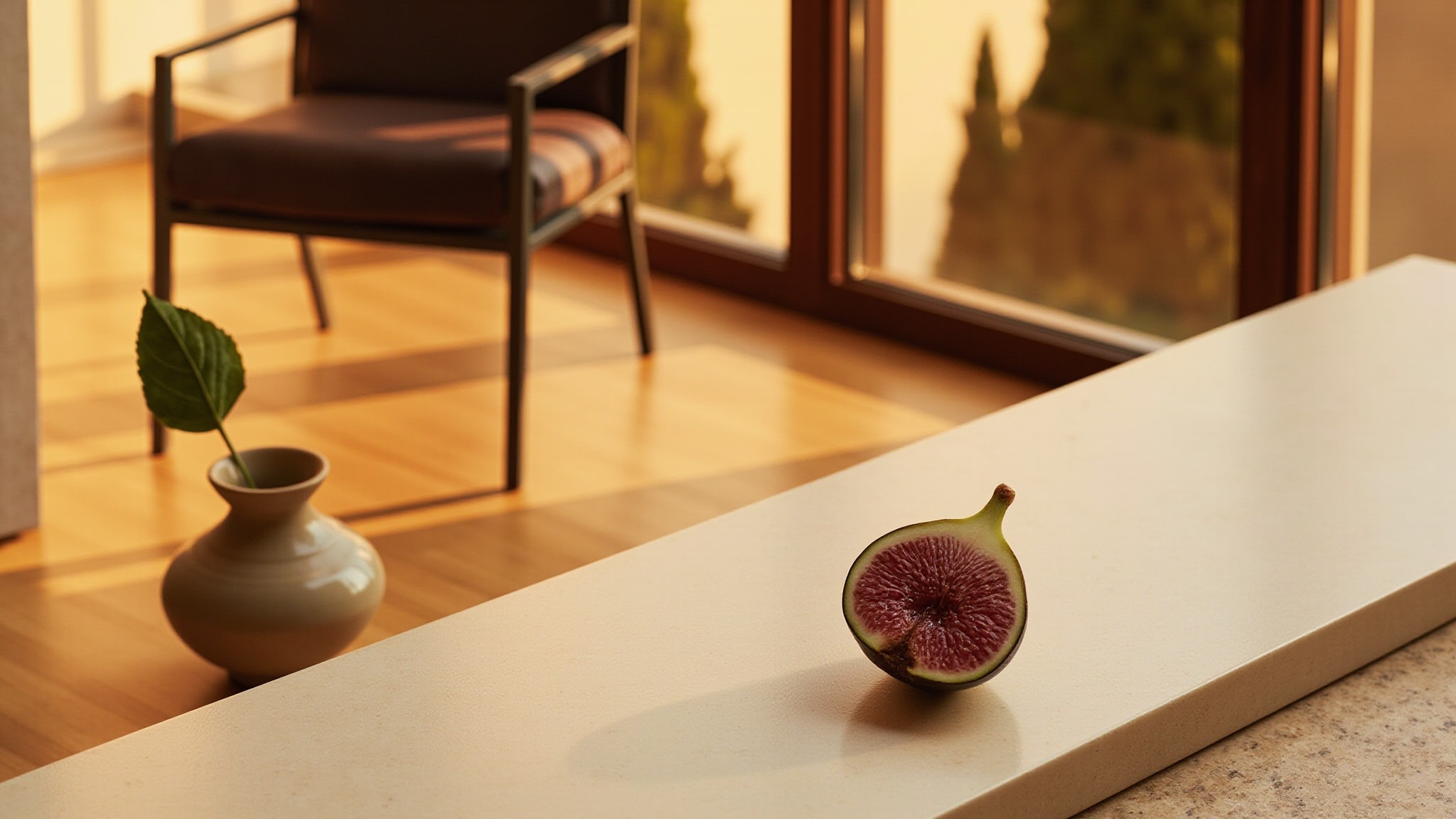
Viola Pompili composed 101 in 2011, long before fig became a perfumery cliché. The brief was simple: bottle the Mediterranean. Not the tourist Mediterranean, the one you feel. Salt air. Ancient trees. The particular warmth of afternoon light on green things. ScentBar gave Pompili the freedom to pursue that vision without compromise.
What makes 101 interesting is its dual nature. Fig leaf opens sharp and vegetal, cut stems, morning dew. But as the fragrance evolves, the same fig reveals its cream: coconut, almond milk, sandalwood. The base doesn't arrive late or quietly. It was always there, waiting beneath the green. That tension between crisp and comforting is what gives the fragrance its pull.
The evolution
The opening hits green and immediate, fig leaf, grass, a whisper of cypress. Your skin reads it as fresh-cut stems, garden morning. Within minutes, jasmine and cyclamen arrive. Not to overtake, but to soften. The lavender keeps things honest. Then the fig itself emerges, sweet, lactonic, almost edible. The coconut and almond milk settle close to skin, warming everything. By hour three, you're left with sandalwood and a ghost of cream. It stays intimate and present for six to eight hours. On fabric, longer. The drydown smells like warm skin, not perfume.
Cultural impact
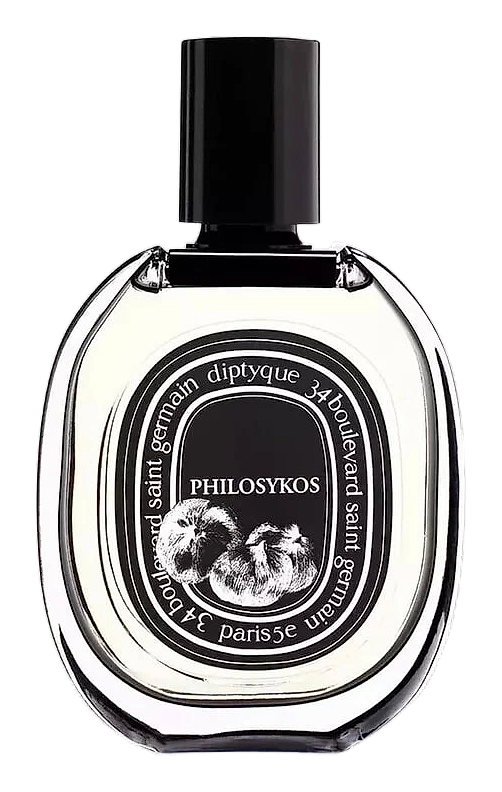
101 is a green-floral fig that predates the current wave of fig fragrances. It's often compared to Diptyque Philosykos and L'Artisan Premier Figuier, though ScentBar's version leans warmer and more lactonic. The 2011 launch puts it ahead of the curve, a reference point for those who discovered fig as a note later.