The Story
Why it exists.
The beginning
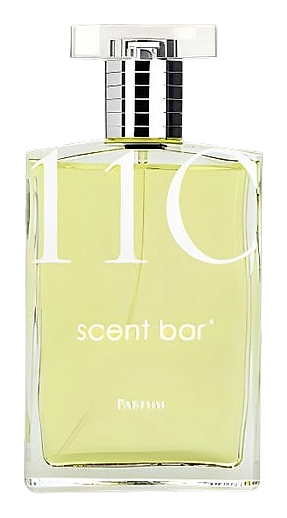
ScentBar opened in New York in 2015 with a different idea: make people scent-makers, not just buyers. Walk in, mix your own, walk out with something nobody else has. But before the bar, before the concept store, there was 110, a pre-blended fragrance released in 2011 by perfumer Viola Pompili. It came first. The participatory model came after. Think about that the next time someone calls 110 a statement piece.
What makes 110 structurally interesting is how it builds downward. Most fragrances move from top to base like a funnel, everything narrowing. 110 does the opposite. The opening is precise and cool, three notes doing their job cleanly. But as the heart develops, the composition widens, iris, jasmine, rose, ylang-ylang, cloves, each adding texture rather than replacing what came before. Then the base doesn't just anchor. It integrates. Oakmoss and ambergris don't bury the florals. They hold them in place, like a pressed flower in a book that somehow still smells like the garden.
The evolution
The first twenty minutes are the mint. Not the sharp kind, the kind that arrives cool on a warm tongue. Neroli softens it, bergamot lifts it. If you stopped paying attention here, you'd miss the point entirely. An hour in, the iris arrives. Powdery. Violet-pale. It doesn't overtake the mint so much as share space with it, the way two people who barely know each other start occupying the same silence. The jasmine and rose arrive around the second hour. Warmer. The cloves keep them honest, a small reminder that sweetness needs edges. By hour four, the drydown takes over and 110 becomes something else entirely. Oakmoss. Not the faint green of other fragrances, the real thing, mossy and close and alive. Tonka bean softens it just enough to keep it from being austere. Ambergris gives it a quiet animal warmth, the kind of base that smells like skin but better. On most people, it lasts the full workday. On some, it lasts until the next morning. The sillage is moderate throughout, this is not a fragrance that fills a room.
Cultural impact
Chypre has been staging a quiet comeback in niche perfumery for the better part of a decade. The category, mossy, complex, historically demanding, all but disappeared after IFRA restrictions on oakmoss in the late 1990s. When indie houses started revisiting the structure, the challenge was always the same: how do you give people the depth without the difficulty? 110, released in 2011, was ahead of that conversation. It's been in continuous production since launch, rare for a house with this profile, which suggests something beyond novelty. What separates it from later chypre explorations is restraint. The florals keep it approachable. The sillage keeps it polite. It doesn't demand you understand the category to enjoy it.