
The Story
Why it exists.
The beginning
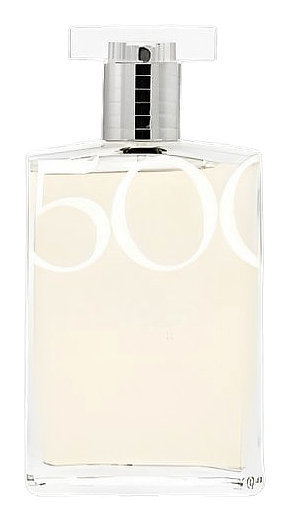
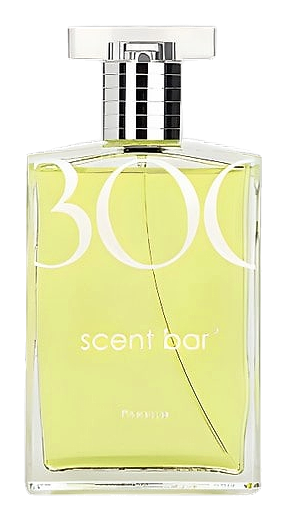
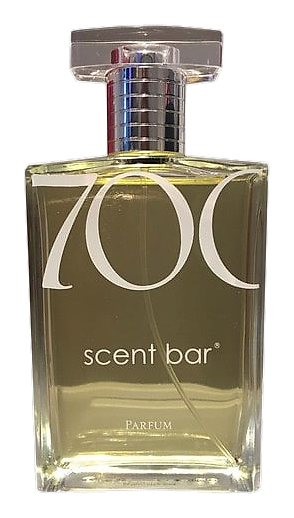
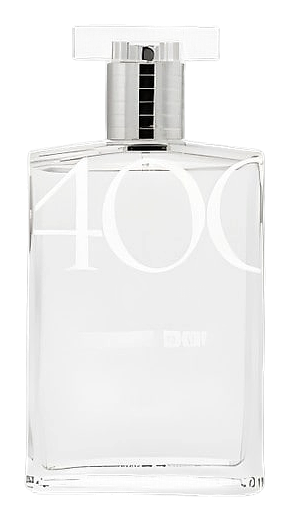
Viola Pompili composed 400 for Scent Bar in 2014, and the brand's own description leans into its mood: a composition shaped to hold the memory of a lasting emotion, something that wears you softly rather than announcing itself. There is no grand narrative here, no named muse or storied place. Just a series of materials arranged with care, building something that lingers the way certain textures linger, the way a drawer of old linens holds the ghost of something once worn. The fragrance reads as an exercise in patience: a composition that asks to be remembered through the quiet accumulation of its notes rather than through any single dramatic gesture.
The structure is unusual in its restraint. Ambergris opens on its own, unaccompanied by citrus or spice, and that choice gives the entry a cool, almost oceanic edge, a mineral note that feels closer to sea air than to anything traditionally fresh. From there Ambroxan and cedar take over the heart, and the composition tightens into something woody and dry, warm without becoming heavy or resinous.
The evolution
On skin, the ambergris opens with a saline lift, almost oceanic, but quickly surrenders to Ambroxan's dry, woody warmth. The shift is smooth and unhurried, as though one material hands off to the next without any sharp boundary between them. Cedar arrives to give the composition structure, turning it architectural, less a scent and more a temperature against the skin. The musk enters quietly, giving the whole thing a clean-laundry intimacy that borders on synthetic, which it is, and which is part of the appeal. That musk keeps the composition from feeling too austere, lending a soft human warmth to the cooler mineral and wood notes. As the hours pass, the rose surfaces, not as a flower in bloom but as a powdery residue, the kind that lives in vintage compacts and the lining of old coat pockets.
Cultural impact
400 sits inside Scent Bar's numbered catalog, a system that frames each release as a distinct study rather than a unified statement. The composition draws from materials that tend to appeal to wearers who already know what ambergris and Ambroxan smell like in isolation, people curious about what happens when these two are allowed to occupy the same space without interference. The result is a fragrance that rewards attention: it doesn't project loudly or seek to charm on first encounter, but it reveals more the longer you sit with it.
The House
ScentBarScent Bar offers a hands‑on fragrance experience that lets shoppers blend their own scent in a dedicated perfume and cologne bar. The concept debuted in New York City’s Lower East Side, where a modest storefront invites visitors to experiment with dozens of aroma ingredients under the guidance of trained staff. Customers can walk away with a personalized bottle, order the same blend online, or simply enjoy a guided scent session. The brand positions the act of creating perfume as a social ritual, turning a traditionally solitary craft into a shared, playful workshop.
The Creator
Viola PompiliViola’s signature technique centers on a disciplined use of oriental bases, especially vanilla, amber, and subtle spice. She often layers a creamy vanilla heart with a whisper of incense or cardamom, then anchors the composition with a dry, woody finish.