The Story
Why it exists.
The beginning
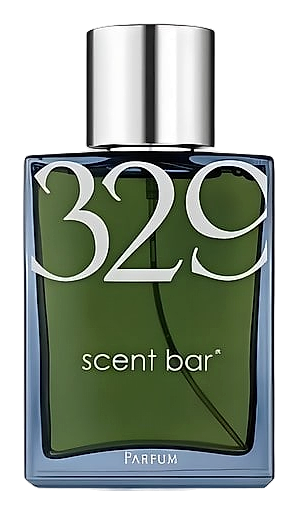
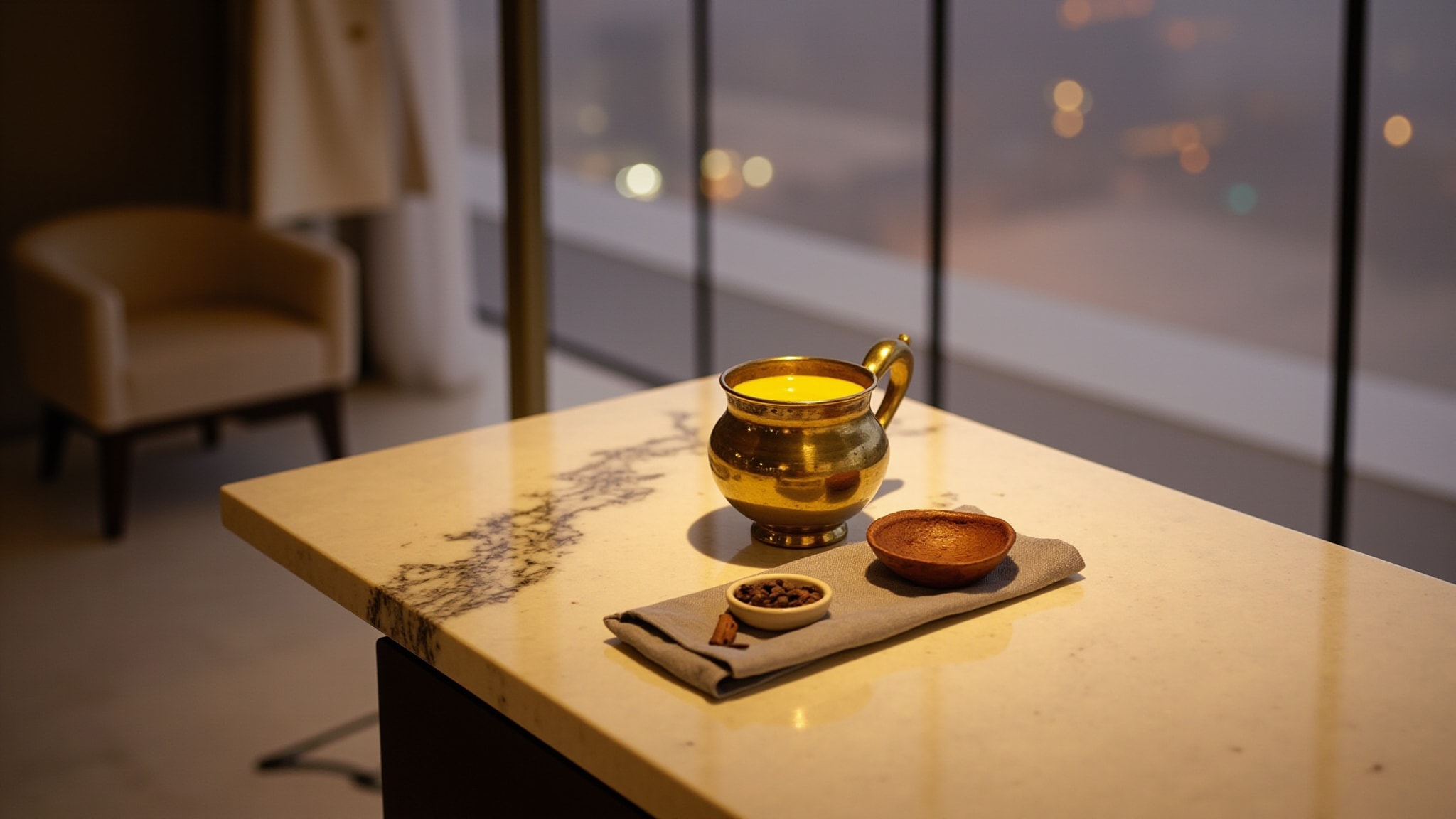
329 arrived as part of Scent Bar's in-house line, a fragrance the brand describes as a passage to India, a prayer in a temple, an offering of golden milk. The blend of tobacco, vanilla, spices, and cacao sits at the heart of the concept, less a perfume than a ritual shared between people. There's something deliberate about the way those notes have been composed: the dry, sweet pull of tobacco wrapped in vanilla's cream, the warmth of cacao folding into a scatter of spice that hums just beneath the surface. It smells like a room that has been lived in for years, where incense has soaked into the curtains and the air still carries the memory of what burned there.
What makes 329 interesting is the tension between its top notes and its foundation. Clove, cinnamon, and ginger arrive loud and bright, the kind of opening that could belong to a holiday candle. But the heart pulls in a completely different direction: black tea, tobacco, cedar, vetiver, and absinthe, a moody, smoke-hazed register that has nothing to do with festive spice. The base settles into vanilla, tonka bean, benzoin, ambergris, and heliotrope, a devotional sweetness that rounds everything out. It's a pyramid designed to misdirect you at the top and comfort you at the bottom.
The evolution
The first fifteen minutes belong entirely to the spice. Clove lands first, sharp and hot, then cinnamon curls underneath it like wood smoke, and ginger cuts through with a clean, almost peppery brightness. There's nothing gentle about this opening. The spices aren't polite; they announce themselves, push past each other, and demand attention. By the thirty-minute mark the spices begin to bow out, and the heart takes over. Black tea arrives steeped and tannic, tobacco comes in dry and leathery, and absinthe lends an anise shadow that makes the whole thing feel like a dimly lit room. Cedar and vetiver ground it from beneath, rooting the composition so it doesn't drift away on its own warmth. After about two hours the warmth shifts again.
Cultural impact
329 sits in a particular place because of how it's been composed. It reads as devotional and resinous rather than fresh, and that weight shapes who reaches for it. The scent pulls toward cooler months naturally, since the warmth of tobacco, benzoin, and tonka has a way of amplifying itself against cold air and thicker fabrics. There's a lived-in quality to it, the kind of scent that feels like it belongs in a room with low light and old books rather than somewhere bright and minimal. Its tobacco-tea-absinthe heart gives it a slightly bohemian character, something closer to a poet's coat than a polished accessory.