
The Story
Why it exists.
The beginning
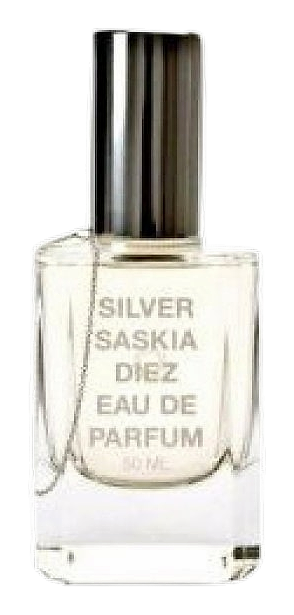
Silver began as one half of an unusual fragrance project. A pair of compositions, Gold and Silver, each built to translate a precious metal into scent. The brief was conceptual and stubborn. Gold and silver carry enormous cultural weight yet are, by nature, odorless. To give them a smell anyway required a particular kind of perfumery, one willing to work against the obvious. Silver was the cooler of the two compositions, an attempt at capturing the visual and tactile sensation of polished metal: reflective, quiet, precise. The collaboration brought together a jewelry and accessory designer and perfumer Geza Schön, whose material-focused perfumery made him a natural collaborator for a project that valued reduction over decoration.
What makes Silver interesting isn't a single note but the restraint across the whole composition. The opening reads cool and clear rather than busy. The trick, if there is one, is how the florals are handled. Iris, violet, jasmine, magnolia, osmanthus, water lily, ginger. None of them lean into sweetness or indolic warmth. They're treated like reflections on a still surface, each visible but none dominant. The musk-cedar-vetiver base reinforces the metallic illusion by staying smooth and almost cold, the drydown of something polished rather than something poured.
The evolution
The first 15 minutes are the coldest part. Bergamot, coriander, juniper, cardamom, and a generic citrus accord set up a brisk, green-fresh entry that reads more like walking past a window display of cut glass than walking through a garden. There's clarity but also a faint peppery snap from the cardamom that keeps it from feeling sterile. Then the iris arrives and the whole thing shifts register. Not warmer exactly, but softer. Violet and water lily add a translucent, almost watery quality, while ginger gives the floral heart a clean heat that prevents it from going powdery. This is where Silver earns its name: the scent feels reflective, like looking into a still pool. The jasmine and osmanthus hover at the edges, offering a suggestion of skin without ever becoming a perfume about skin. After about two hours the base takes over. Musk, cedar, benzoin, labdanum, styrax, and vetiver build a drydown that's smooth, slightly resinous, and surprisingly close to the skin. The metallic clarity doesn't disappear. It just settles into a quiet, wood-warmed hum.
Cultural impact
Silver sits within a small cluster of fragrances that approach scent as material translation rather than decoration. Precious metals offer no olfactory template, which makes them an unusually demanding subject for a perfumer, and compositions built around such briefs remain rare. The collaboration with Geza Schön places the release within a wider European niche conversation about restraint and intentional limitation. Silver wears as something close to a design object, closer in spirit to a piece of jewelry than to a traditional perfume bottle's contents. It doesn't announce itself from across a room. It rewards the wearer who leans in.