
The Story
Why it exists.
The beginning
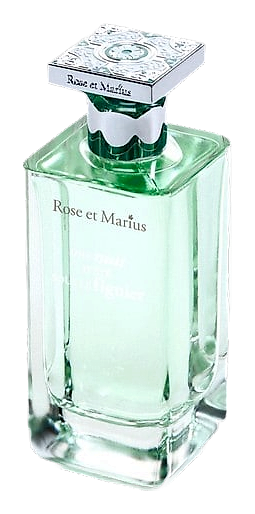
Rose et Marius named this one for a very specific night. The founder grew up spending summers in her grandmother's country house in Provence, and in that garden stood a hundred-year-old fig tree. She'd lie beneath it as a child, watching the leaves turn gold in the summer heat, breathing in that green, sun-warmed scent. The brand calls it her madeleine de Proust. In 2017, perfumer Patrick Bodifee translated that memory into a fragrance: a night under the fig tree, captured and bottled. The name isn't metaphorical. It's a place, a person, a moment in time.
What makes this composition interesting is the way it handles the fig element. Une Nuit D'ete Sous Le Figuier goes instead for the leaves: green, slightly bitter, chlorophyll-forward. The top accord pairs fig leaf with hyacinth and lily of the valley, creating a cool, vegetal freshness that reads almost aquatic at first. Then the heart introduces Indian tuberose absolute and peach, adding a creamy white floral warmth that slowly softens the green edges. Indonesian patchouli in the heart layer brings an earthy, slightly mushroomy depth that grounds what could otherwise feel ephemeral.
The evolution
The opening hits bright and green, fig leaf and hyacinth, with mandarin orange lifting the citrus end. Calabrian lemon adds a sharp, Mediterranean brightness. What follows is the white floral heart: Indian tuberose absolute, peach, and plum arriving in overlapping waves, creating a creamy, slightly fruity warmth that softens everything. The Indonesian patchouli surfaces here, adding an earthy undercurrent that prevents the florals from floating away. White cedarwood and sandalwood form a warm woody base, while white musk keeps the fragrance close to the skin. As the scent develops, the initial citrus brightness gradually gives way to the deeper floral and woody notes, creating a layered experience that reveals new facets over time. On fabric, it lingers longer.
Cultural impact
Une Nuit D'ete Sous Le Figuier takes a different approach to fig than many in the category, avoiding the sweet, coconut-like fruit notes that often dominate. Instead, it leans into the green, leafy character of the tree itself. This makes it appealing to those who find typical fig fragrances too sugary or one-dimensional. The composition feels thoughtful, like a perfume made for someone who cares more about depth than about making a statement. It's the kind of scent that rewards attention rather than demanding it.