The Story
Why it exists.
The beginning
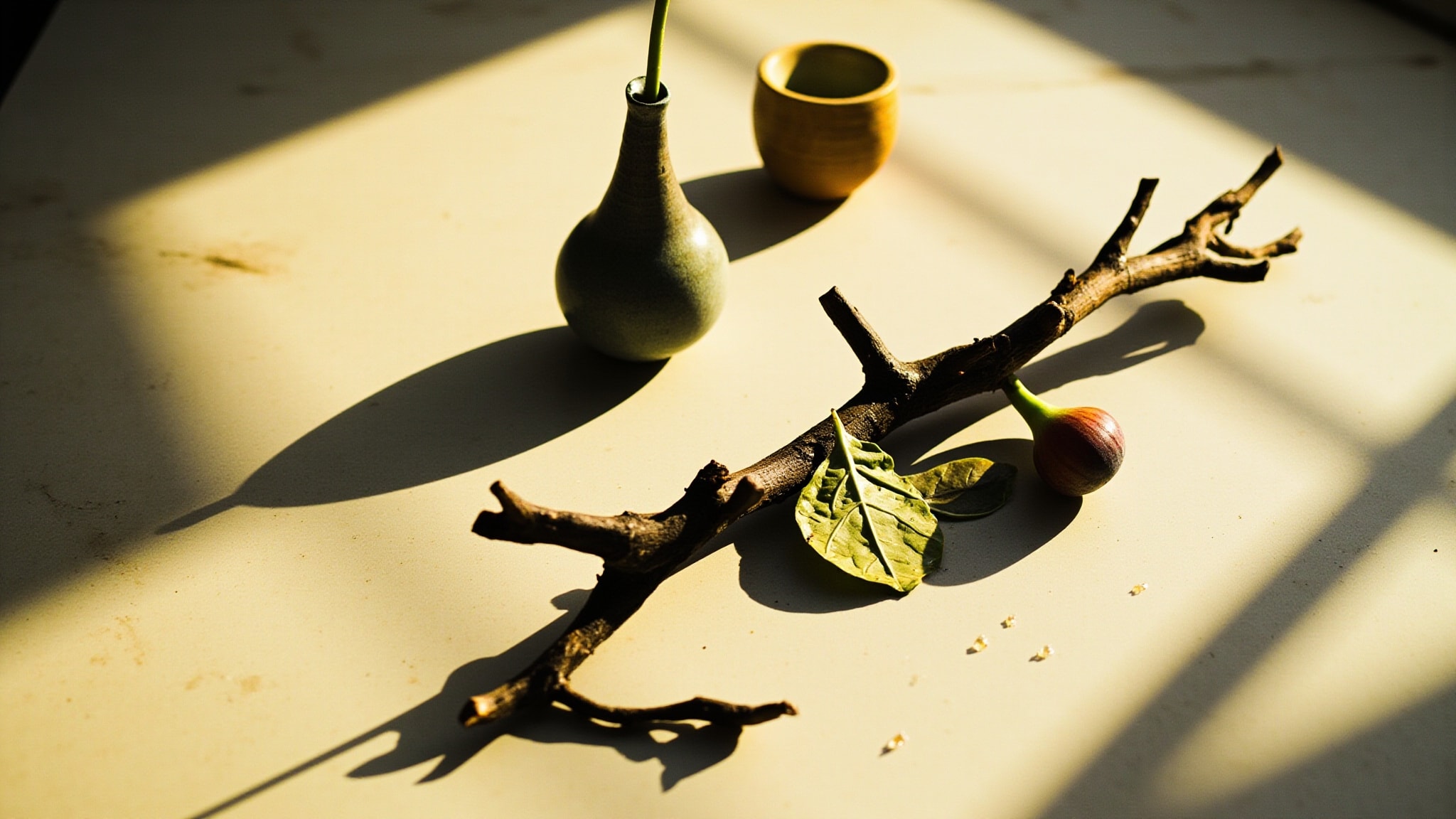
Christophe Laudamiel created Fig My Love with a singular focus and unapologetic intensity. The name says everything. This is love in capital letters, not polite interest. The Zoo has built its following on exactly this kind of directness: bottles dated like vintages, compositions that don't ask permission. Fig My Love fits that pattern perfectly. A single subject, rendered without compromise. The fragrance captures the essence of the fig in its most essential form, unadorned and confident. Every element serves the central theme, from the opening through the lasting impression. It's a study in restraint, a commitment to a single idea executed without apology.
The note structure tells you something important: Fig Tree appears in both the top and the heart. That's not repetition for its own sake, it means the tree itself, not just the fruit, is the real subject. Combined with Green Accord and the lactonic quality, this creates a fragrance that moves through phases like the actual growing season of a fig tree. Green freshness giving way to something warmer, creamier. The milky note is where it lives, and where it divides.
The evolution
The opening announces itself with bitter-green clarity. Fig leaves releasing their milky sap, that signature green bite of unripe fruit. The green quality persists throughout the wear, never fully disappearing, though it softens as the fruit's sweetness emerges. A lactonic quality introduces warmth, creating a coconut-like softness that some find comforting. The green never fully disappears, though it recedes behind the fruit's sweetness. In the later stages, the fig takes on an earthier, woodsy character, lingering quietly beneath the other notes. Moderate sillage keeps the presence consistent throughout the wear. The freshness never fully fades. There's always a trace of green underneath, even at the end.
Cultural impact
Fig My Love arrived in 2016. The scent opens with bitter-green clarity: fig leaves releasing their milky sap, that signature bite of unripe fruit. As the composition develops, the lactonic quality emerges, shifting from that initial sharpness into something softer, almost coconut-like. The green never fully disappears, but it recedes behind the fruit's sweetness. The creamy, milky phase carries through the middle hours. In the drydown, the fig settles into something earthier, woodsy, with a quiet fig lingering beneath. Moderate sillage throughout, present but not demanding. The freshness never fully fades.