The Story
Why it exists.
The beginning
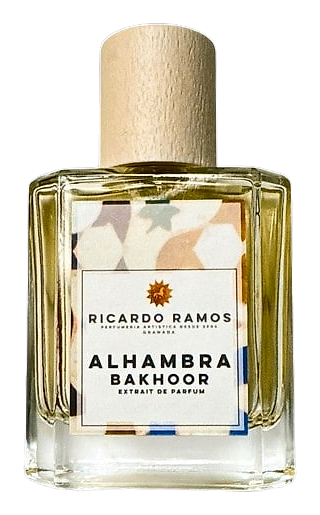
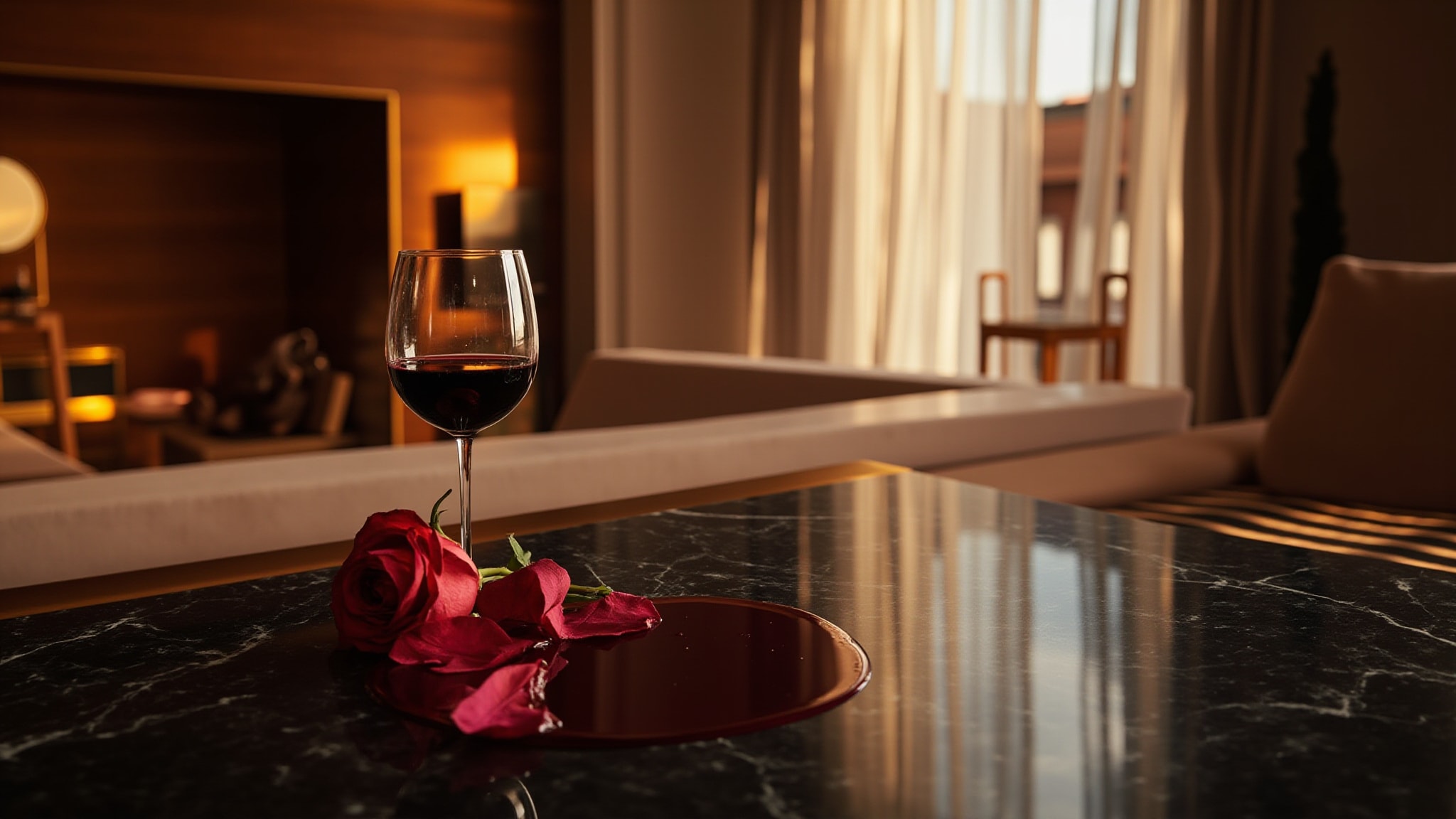
Alhambra Bakhoor was launched in 2026 by Ricardo Ramos, and its subject is bakhoor as Nasrid Granada knew it. Not the sanitized incense of everyday use, but the smoky, wine-soaked recreation that carried a sensual charge in al-Andalus. The Alhambra still stands in Granada as evidence of a culture that let poetry, pleasure and ceremony coexist, giving the fragrance a vivid historical setting. Bakhoor appears here through a composition built around wine notes, oud and incense materials. Red wine, almond and anise establish an opening that is gently boozy and slightly sweet, while saffron, rose, clove and blackcurrant add floral and spiced depth. The base brings together frankincense, oud, musk and amber, creating a warm, smoky and resinous foundation.
What makes the composition worth a closer look is the marriage of wine notes to oud. Almond, anise and red wine form an opening that reads more like a cordial than a cologne, then saffron, rose, clove and blackcurrant carry the warmth into something spiced and floral. As the top notes give way, rose gains prominence beside saffron and clove, while blackcurrant lends the wine accord a darker fruit character. The base does the heavy historical lifting.
The evolution
The opening is the loudest part. Red wine, almond and anise arrive together, slightly sweet and faintly boozy, with rose threading through before anyone has settled in. Saffron and clove deepen the composition, adding warmth and a clear spiced character. Blackcurrant adds a dark fruit edge that keeps the wine accord from reading too sweet. Then the handoff happens. Oud rises from the base, frankincense brings a smoky quality, and amber warms everything into a dense, resinous center that behaves less like incense and more like a worn leather jacket with a glass inside. Musk rounds the edges as the hours pass. Later, the fragrance remains oud-led, still faintly rosy, with almond and wine continuing to linger beneath the darker, warmer notes.
Cultural impact
Alhambra Bakhoor draws its framing from the Jamriyya poetry tradition of Nasrid Granada, where wine poetry carried courtly and erotic weight inside an Islamic cultural context. That history provides a rich setting for the fragrance's bakhoor theme, pairing poetry and ceremony with the sensual charge surrounding wine in al-Andalus. The composition expresses that idea through its notes rather than a single dominant accord: red wine, almond and anise in the opening, followed by saffron, rose, clove and blackcurrant, with frankincense, oud, musk and amber forming the base.
The House
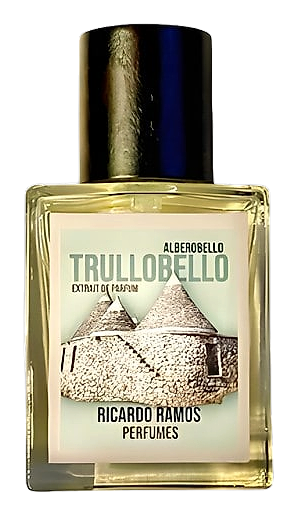
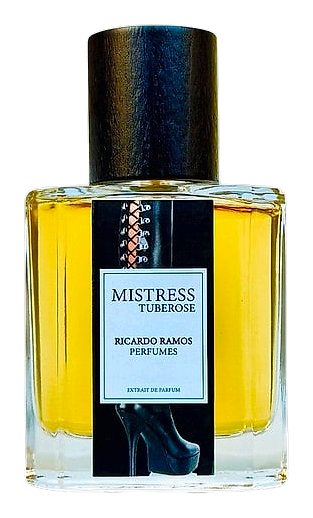
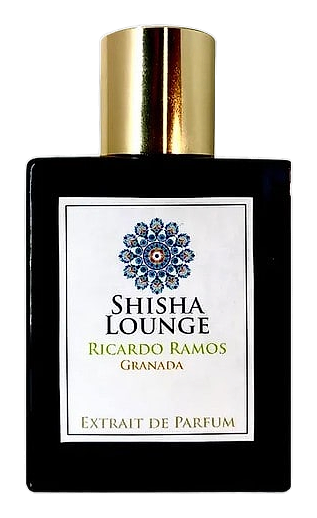
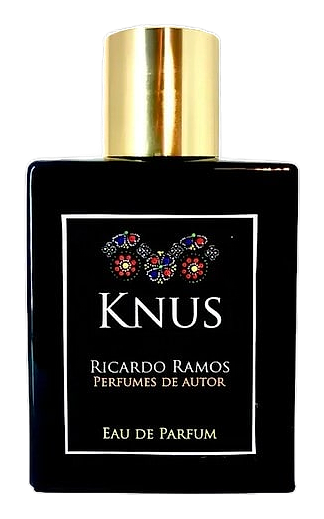
Ricardo Ramos Perfumes de AutorRicardo Ramos Perfumes de Autor creates artistic fragrances from Granada, Spain. Each scent references Andalusian history, colonial trade routes, and the cultural mix of South American expatriates who live in Granada and Istanbul. The line balances vintage ingredients such as oud, ambergris, and citrus with modern laboratory techniques, offering collectors a narrative that feels both scholarly and sensual. Recent releases like HooDoo Blues (2023) and Manigua (2025) illustrate the brand’s ongoing dialogue between past and present, while older classics such as AGUA DE BARCELONA (2004) remain reference points for the house’s evolving language.
The Creator
Ricardo RamosRamos gravitates toward opulent, characterful compositions that refuse to disappear into the background. Oriental structures appear frequently in his work, as seen in Cristina la Veneno, an assertive unisex fragrance that takes its name from Spanish cultural iconography and wr…