
The Story
Why it exists.
The beginning
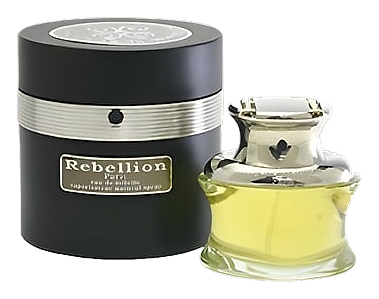
Rebellion arrived in 2001 from Reyane Tradition, a house that had spent a few years carving out its own space in the fragrance world. The name itself reads less like a fragrance title and more like a thesis statement: a scent for the man who finds the usual masculine template a little too tidy. No heritage name on the cap, no luxury house pedigree, just a composition that wanted to be felt. The opening wastes no time establishing what it's about. Star anise hits first, sharp and cooling, carrying that almost black-licorice chill that most fragrances only hint at. Ginger rides alongside it, bringing warmth without weight, while mandarin adds a quick bright flash that keeps the introduction from going one-directional. Within twenty minutes the heart takes shape.
What makes the structure unusual is how the spice top and the woody base are wired together. Star anise, ginger, and cinnamon aren't timid accents here. They sit at the front of the composition like a declaration, then the orris root and rose do something precise: they soften the center without overpowering the spice above. The base pulls in seven materials, including vetiver, sandalwood, and oakmoss, and the drydown carries an earthy depth that feels rooted and damp.
The evolution
The first fifteen minutes belong to star anise. It's sharp, almost black-licorice cold, and it cuts through bergamot and ginger like a cold wind through a warm room. Most fragrances treat star anise as a whisper. This one opens at full volume. After that initial hit, the anise softens, and ginger's clean heat takes over alongside mandarin's bright edge. Basil hums underneath, adding a green, slightly bitter backbone that keeps the sweetness in check. By the twenty-minute mark, you're in the heart. Cinnamon and pink pepper arrive together, and they bring warmth without going gourmand. Rose and orris root settle in beside them, giving the composition a powdery, almost suede-like quality that stays restrained rather than romantic. Coriander adds a thread of green complexity, the kind of thing you notice more than you can name. The rose here doesn't smell like a bouquet.
Cultural impact
Rebellion was released in 2001, and it pulled from star anise, cinnamon, and a dense woody-amber base that gave it immediate presence. The composition leaned into spice and warmth, and it carved out a place for wearers who wanted something with weight rather than another clean, transparent scent. Production was apparently discontinued, which has changed how the fragrance sits in the market. It now circulates through resale channels and collector circles, where the original formulation is treated as a specific, identifiable version worth tracking down.