
The Story
Why it exists.
The beginning
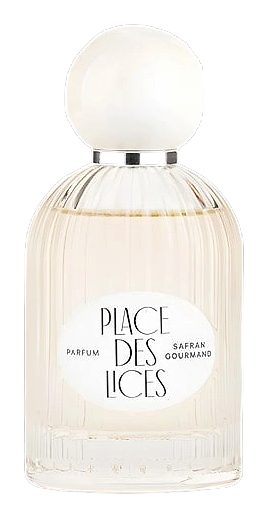
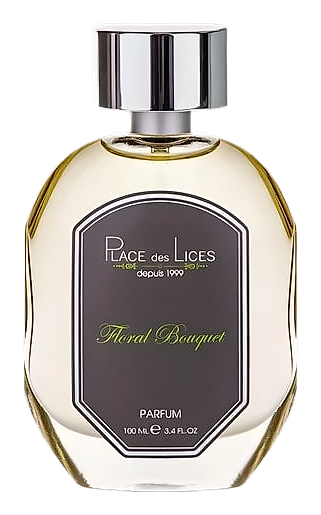
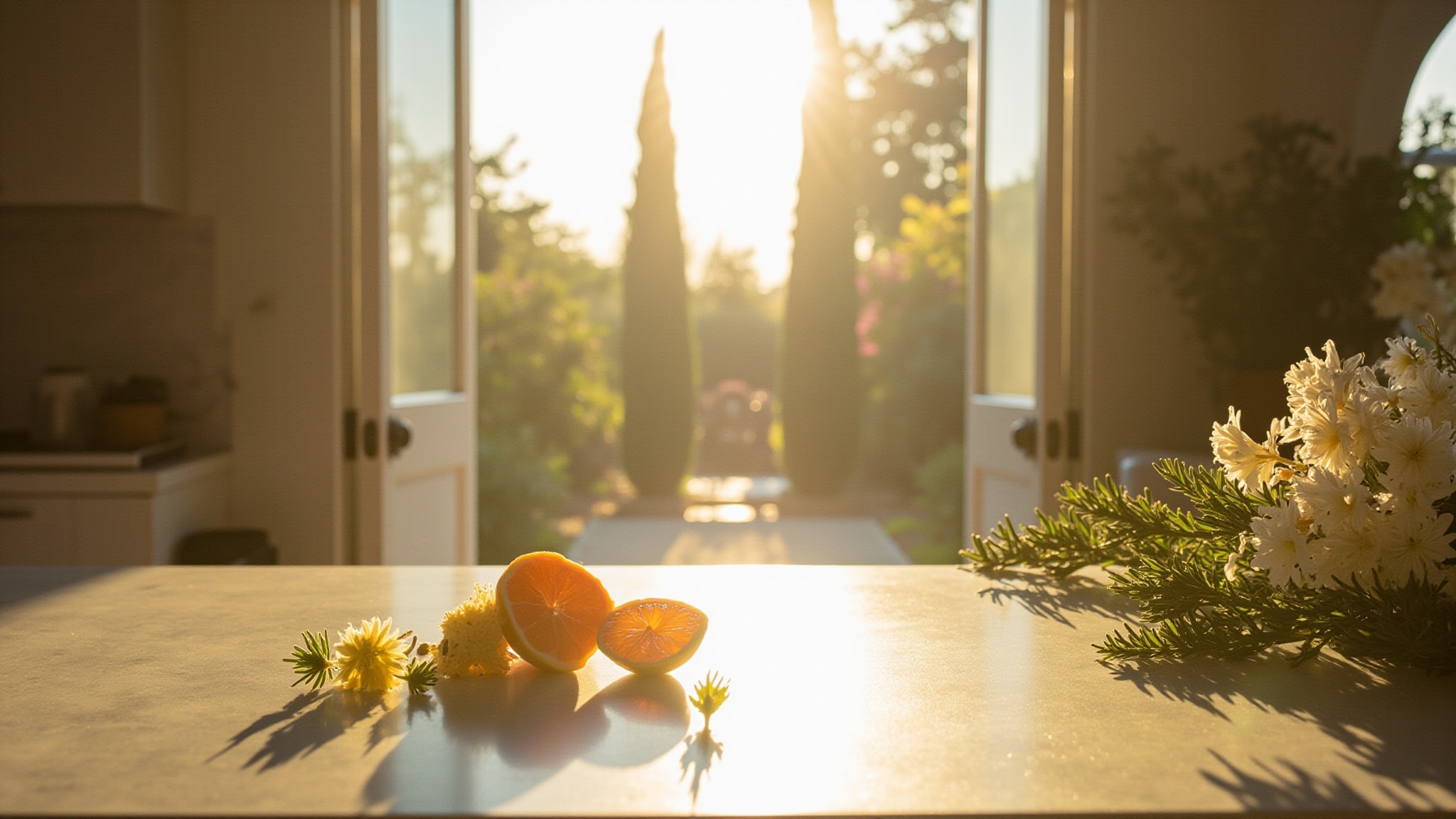
Floral Bouquet comes from Place des Lices, a house whose catalogue includes this fragrance among a varied selection of compositions. The name gives the game away with no subtlety. Bouquet is the brief: jasmine, neroli, mimosa, broom, a sweep of white and gold petals tied together by something green and herbal underneath. The composition reads like a postcard from a garden in late spring. Citrus opens the door, florals fill the room, and the aromatic notes keep the air moving so nothing turns heavy or old-fashioned. There's a clear intention here: let the flowers speak in full voice, but give them a structural frame that keeps the whole thing lifted and breathable rather than syrupy.
What makes the structure distinctive is the duet between broom and mimosa at the top. Broom brings a hay-like, slightly honeyed green facet that most modern florals skip, and mimosa adds its powdery, almond-sweet softness. Together they create a yellow-floral register that feels less like a perfume and more like walking past a flowering hedge at the right time of year. The carnation in the heart adds a clove-edged warmth that grounds the white florals, while ylang-ylang pushes toward something tropical and creamy.
The evolution
The opening is brisk and almost startling in its brightness. Bergamot, lemon, and lime hit first, sharpened by rosemary and sage into something that reads more like a garden after watering than a traditional perfume. Within five minutes the broom and mimosa arrive, and the citrus recedes just enough to let the florals breathe. Jasmine and neroli settle into the composition like light shifting through a window. By the thirty-minute mark, the heart takes over. Carnation arrives with its warm, clove-tinged lift, ylang adds depth, and the composition moves from bright and aromatic to something warmer and more enveloping. The transition feels natural, not dramatic. The drydown is where the base earns its keep.
Cultural impact
Floral Bouquet reads as a confident composition, the kind of floral someone reaches for when they want flowers to feel full-bodied, structured, and detailed rather than thin or one-note. It carries the weight of classical floral perfumery without tipping into nostalgia, and it avoids the modern temptation to strip florals down to a single exaggerated note. Instead it offers the whole garden at once, with all the complexity and slight chaos that implies, held together by a careful hand. The result is a floral that feels considered rather than reactive, built on real perfumery craft rather than trend.
The House
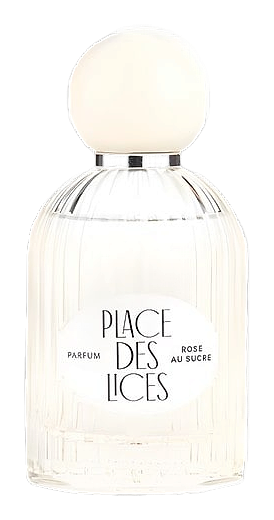
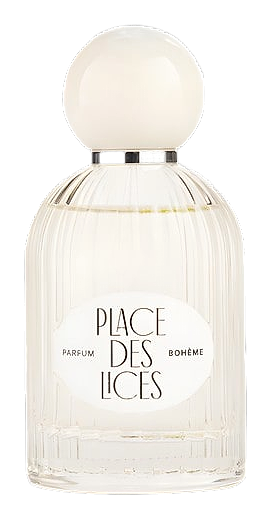
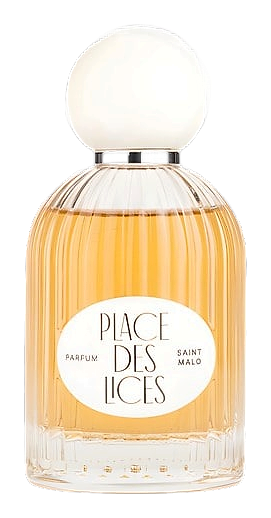
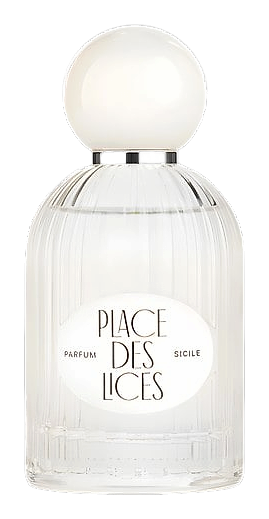
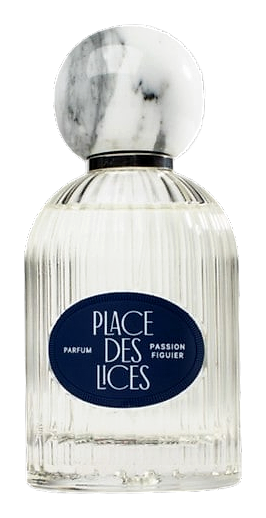
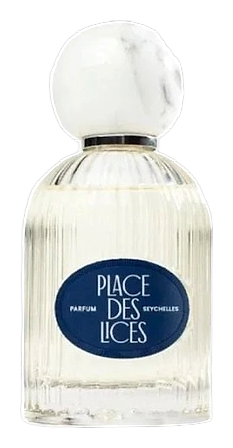
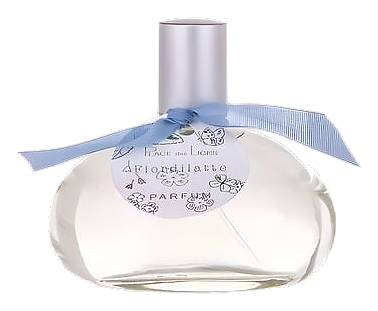
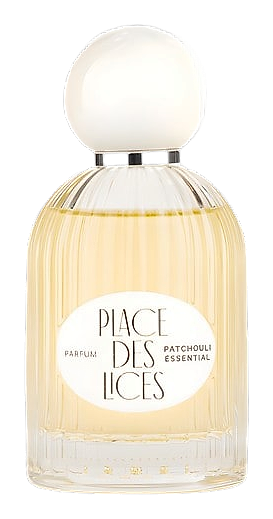
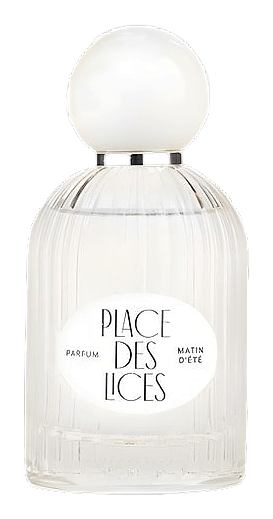
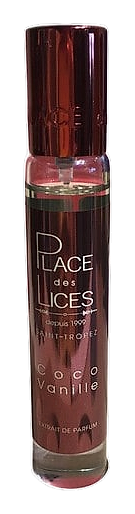
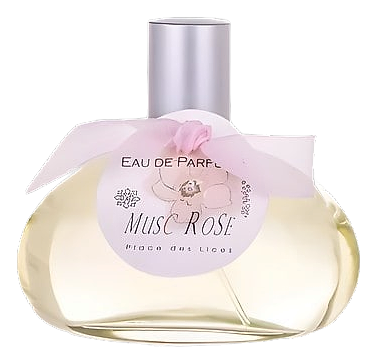
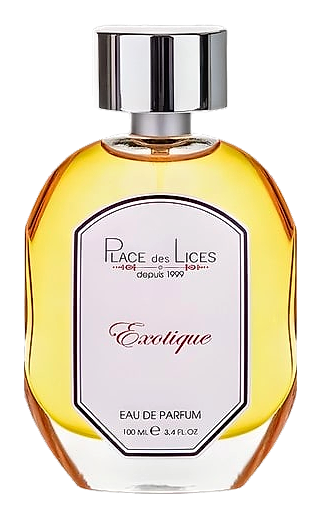
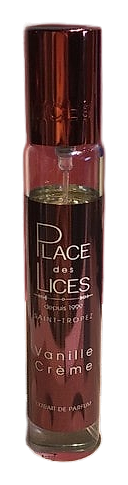
Place des LicesPlace des Lices creates fragrances that echo the light of the French Riviera. Based in Grasse, the historic perfume capital, the house draws on Provençal gardens, sun‑kissed beaches and the rhythm of coastal towns. Its catalogue includes scents launched between 1999 and 2023, such as Matin d’Ete, Vanille Crème and Passion Figuier. Each bottle offers a concise portrait of a place, a season or a memory, inviting wearers to carry a fragment of the Riviera on their skin.
The Creator
Marie DuchêneMarie’s style leans toward naturalism, favoring botanical absolutes, fine woods, and delicate florals. She often begins with a single heart‑note—lavender, rose, or jasmine—then builds a supporting structure of citrus top notes and soft musks.