The Story
Why it exists.
The beginning
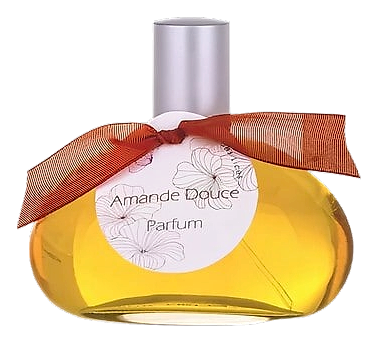
Amande Douce translates to sweet almond, and that's the brief Marie Duchêne worked from. The name points to something gentler than a straight gourmand, a confection with a soft center rather than a hard sugar shell. It's a fragrance that wears its sweetness in a quieter register, closer to a warm bake than a candy counter, the kind of scent that holds a room without filling it. The composition carries an ease about it, a deliberate softness in the way the sweet notes are tempered by something drier and more rooted underneath. Caramel and vanilla move through it like a slow pour, and what keeps them from sliding into syrup is the weight of the base.
What makes the composition worth a second look is how it balances the edible with the structural. Caramel and vanilla could collapse into syrup without something to anchor them, and that's where patchouli and sandalwood earn their keep. The cinnamon brings heat without aggression, threading through the sweeter notes like a low current rather than a flare. A touch of tangerine and orange at the top stops the whole thing from feeling like a baked good left in a closed kitchen, adding a brief bright edge that keeps the opening from going heavy too soon.
The evolution
The first ten minutes are the brightest the fragrance ever gets. Mandarin and orange lift up first, a quick citrus greeting that reads almost candied, like orange peel turned just slightly sugary at the edges. Then the caramel arrives, and the whole thing tilts warmer. Cinnamon starts threading through within the first half hour, a low warmth that builds without ever crossing into harsh. By the second hour, the composition has settled into its main register: vanilla and amber, warm and close, with patchouli underneath giving the caramel something to lean on. The sandalwood emerges last, quiet but present, and it's the note that survives the longest on skin. The citrus is long gone by hour three, faded into memory while the warmer notes take full command.
Cultural impact
Amande Douce sits in a well-worn category, the sweet gourmand, and doesn't pretend to reinvent it. What it offers instead is a specific, well-calibrated take on caramel and vanilla, grounded enough to wear past dessert. The composition reads as deliberately composed rather than maximalist, a gourmand that holds back where others might pile on. The citrus opening gives it a brightness that keeps it from sinking into the heavier end of the category, and the patchouli-sandalwood base provides the kind of dry counterweight that lets the sweeter notes breathe instead of cloying.
The House
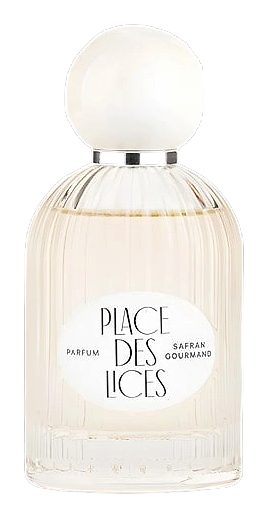
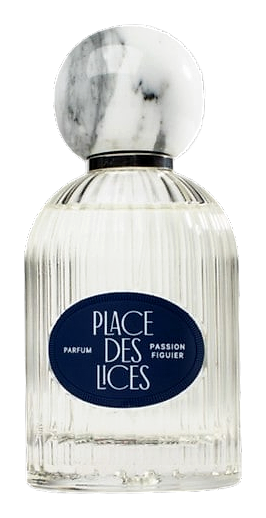
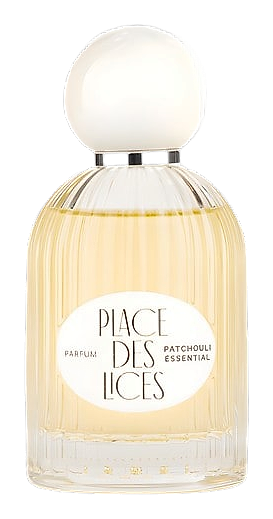
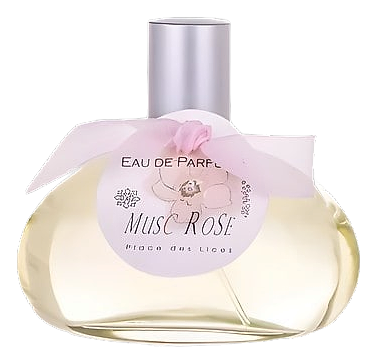
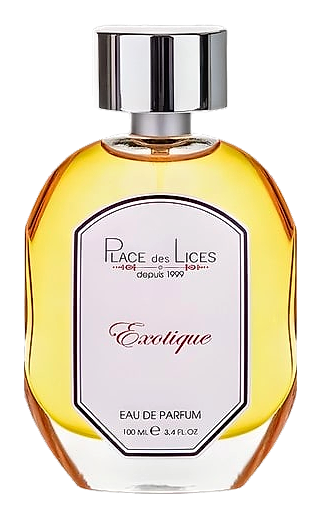
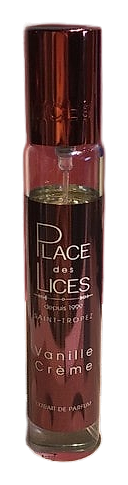
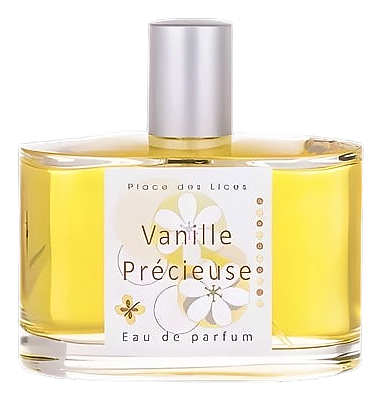
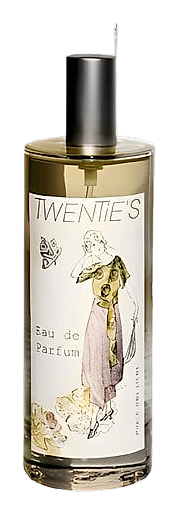
Place des LicesPlace des Lices creates fragrances that echo the light of the French Riviera. Based in Grasse, the historic perfume capital, the house draws on Provençal gardens, sun‑kissed beaches and the rhythm of coastal towns. Its catalogue includes scents launched between 1999 and 2023, such as Matin d’Ete, Vanille Crème and Passion Figuier. Each bottle offers a concise portrait of a place, a season or a memory, inviting wearers to carry a fragment of the Riviera on their skin.
The Creator
Marie DuchêneMarie’s style leans toward naturalism, favoring botanical absolutes, fine woods, and delicate florals. She often begins with a single heart‑note—lavender, rose, or jasmine—then builds a supporting structure of citrus top notes and soft musks.