
The Story
Why it exists.
The beginning
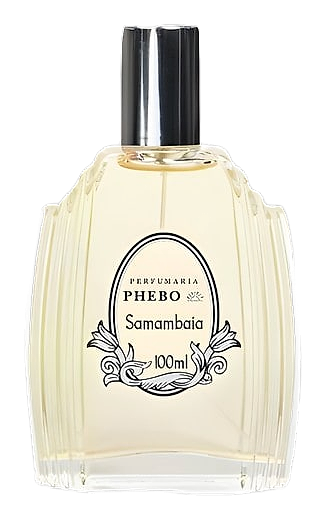
Samambaia is the Brazilian fern, the one that covers the forest floor in dense emerald waves, unfurling in the humidity of the Amazon basin. Phebo named this fragrance for that green abundance, translating the sensation of walking through tropical undergrowth into something wearable. Launched in 2011, it arrived as part of a brand's ongoing project: taking the vivid botanicals of northern Brazil and giving them classical structure. The name itself is a statement of roots, not imported florals, not European formulas, but a Brazilian plant given pride of place.
What makes Samambaia work is restraint. The heart is stacked with white florals, hyacinth, gardenia, ylang-ylang, lily of the valley, violet, any one of which could tip the composition into heaviness. Phebo keeps them translucent, letting the green and citrus from the opening carry through. The black pepper and galbanum are the key move here: they give the florals something to push against, keeping the mid-section from going syrupy. It's a white floral that doesn't want to overwhelm. It wants to linger.
The evolution
The opening hits with green citrus, bergamot, lemon, galbanum, black pepper. It's immediate, bright, almost bracing. Two minutes in, the galbanum settles and the white florals begin their quiet arrival: hyacinth first, then gardenia, then ylang-ylang stretching out underneath. The florals don't burst, they accumulate, building in density over the next hour. By the drydown, cedar and amber have arrived. The jasmine stays longest, mixing with white musk to create something close to skin but not nothing, the ghost of a garden at dusk. On fabric, expect 5-6 hours. On skin, closer to 4-5.
Cultural impact
Phebo stands as one of Brazil's oldest continuously operating fragrance houses, founded in 1930 in Belém do Pará at the mouth of the Amazon River. The brand's cultural significance stems from its early commitment to translating Brazilian botanical wealth, guarana, cocoa, Amazon flowers, into European-style perfumery, making high-quality fragrance accessible to a Brazilian middle class that previously had limited access to imported luxury scents. Samambaia, launched in 2011, represents a later chapter in this mission: a fragrance that draws specifically from Brazil's verdant interior rather than the coastal florals common in earlier releases. The name references a common Amazonian fern, grounding the scent in regional botanical identity.